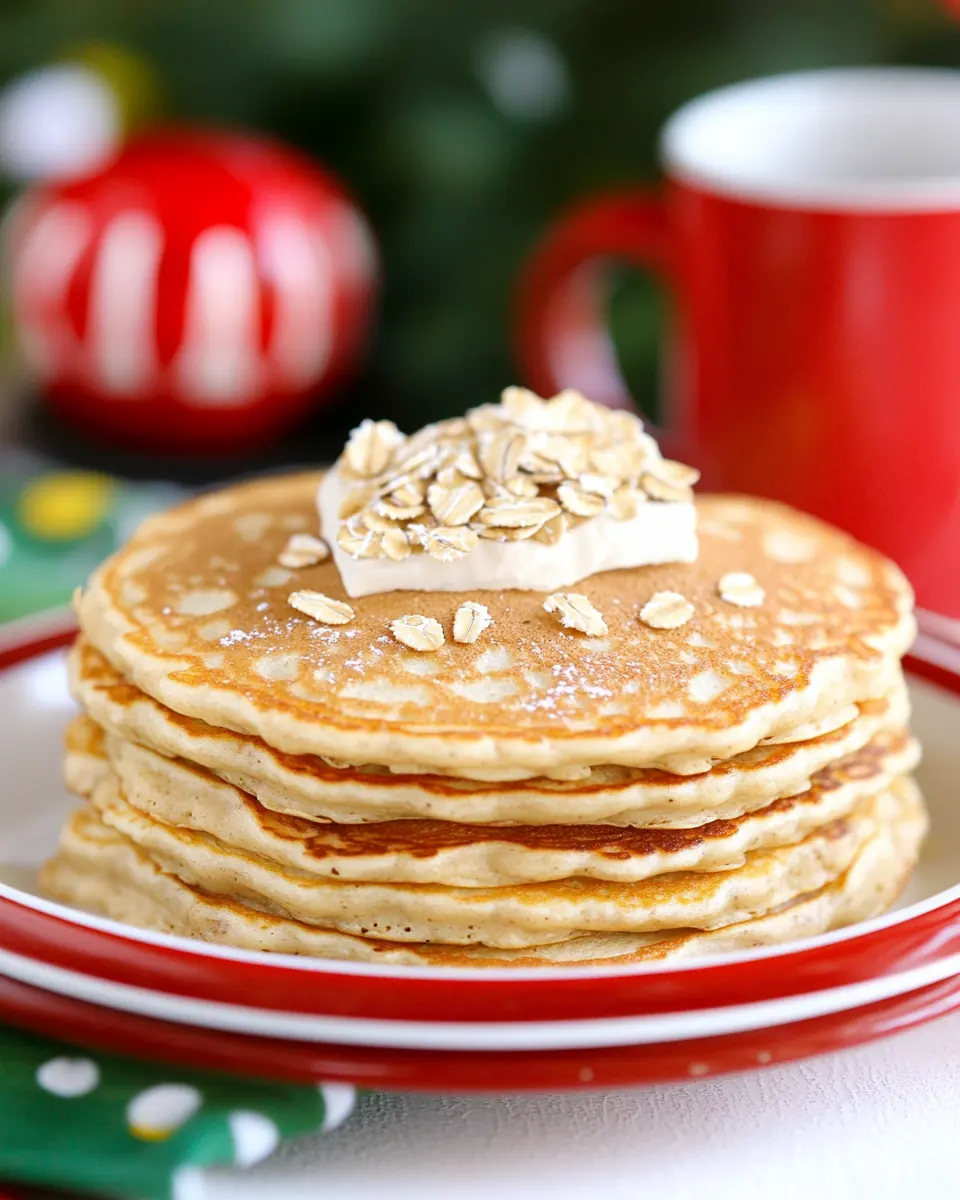
In a bowl, combine Quaker® Organic Instant Oatmeal packet, flour, egg, milk, sugar and baking powder. Stir to combine, but do not over mix. Mixture may appear to "foam" a bit, from the baking powder. This is what helps make your pancakes fluffy.: The kitchen will fill with a mild oat scent as you add the packet, and the dry ingredients should look evenly mixed, with little clumps breaking up as you stir. This step matters because even distribution ensures every bite has balanced flavor and rise. A common mistake is stirring aggressively, which develops gluten and makes pancakes chewy rather than tender. Watch the batter visually: it should look homogenous but not glassy. If you notice streaks of flour or pockets of powder, gently fold until integrated. The texture at this stage should be slightly thick but pourable, not gluey. Use a spoon to scrape the bowl so nothing is wasted, and keep the bowl warm to avoid chilling the batter too much. If your kitchen smells faintly of oats and warm sugar, you are on the right track. Take a moment to check your baking powder; if the powder is old the batter may not foam properly. When you stir, you may see small bubbles forming slowly, indicating the leavening is waking up, which is desirable for a light pancake.
Spray a griddle or pan with non-stick cooking spray, then place a skillet or pan on medium heat. Scoop pancake batter (I like using an ice cream scoop) into pan. You can make two large size pancakes or three medium size pancakes. Cook until edges start to brown and bubbles form. Flip to cook on other side. Remove from pan, repeat with remaining batter and serve with toppings of your choice.: You will notice the batter become smoother as you fold ingredients together, and tiny air pockets may appear on the surface. This delicate aeration is what helps create lightness, so resist the urge to beat insistently. Over mixing tightens the batter and can result in dense, rubbery pancakes. A good test is to stop when most of the flour is just moistened, with a few faint streaks remaining if needed. The sound here is subtle, but you may hear a gentle swish as the spoon moves through the batter, and the feel should be slightly lumpy rather than perfectly silky. If you have time, let the batter rest for a couple of minutes so the oats hydrate a bit, which deepens flavor and gives a more cohesive texture. If you skip resting, your pancakes may be slightly gummy in the center. Use a light hand and trust the visual cues to know when to stop mixing.
Mixture may appear to "foam" a bit, from the baking powder: When bubbles form and the surface looks slightly aerated, the leavening is doing its job and the batter is alive. This foaming will keep the pancakes tender while they cook, so it is a good sign. If the batter is completely still with no bubbles, the baking powder might be old or the mix too cold, and you can warm it slightly to reactivate the agents. Avoid adding extra leavening to force bubbling, which throws off flavor and texture. Smell the batter; a fresh, faintly tangy note is normal due to the reaction. If you see large pockets of foam, a quick gentle fold will distribute them without collapsing the mixture. For troubleshooting, if pancakes fail to rise in the pan, check that the baking powder was measured correctly and that the griddle is properly heated.
Spray a griddle or pan with non-stick cooking spray, then place a skillet or pan on medium heat: The sizzling sound when a drop of batter hits the surface lets you know the pan is hot enough, and you should smell a faint toasty note as the batter hits the metal. A steady medium heat encourages a golden exterior without burning before the center cooks. If the pan is too cool, pancakes will spread thin and take longer, producing a denser texture. Conversely if the pan is too hot, the exterior will darken too quickly while the inside stays undercooked. One mistake is crowding the pan; give each pancake space so steam can escape and the edges crisp. Preheating for a few minutes ensures even color and consistent results. Wipe out any excess spray that pools, as it can create uneven browning. When you set the pan, listen for an immediate gentle hiss, which is the right temperature.
Scoop pancake batter (I like using an ice cream scoop) into pan: The batter should fall off the scoop in a steady, rounded dollop that flattens slightly on the hot surface. The visual should be a neat circle with a gently textured top where tiny bubbles may already be forming. Using a consistent scoop size ensures pancakes cook at the same rate, avoiding one burnt and one underdone. If the scoop drips too slowly, your batter is too thick; add a teaspoon of milk at a time to loosen. A common error is pouring uneven amounts which results in uneven cooking times, so stick to one scoop size per batch. You will notice the edges begin to set within a minute to two, solidifying from the outside inward, which is the cue that the interior is cooking through.
You can make two large size pancakes or three medium size pancakes: Choosing size affects cooking time and mouthfeel, with larger pancakes needing a bit more patience to cook through, while medium pancakes get more edge caramelization per bite. When you make larger pancakes, watch the center for bubbles and look for tiny holes forming across the top before flipping. If you opt for smaller pancakes, they will cook faster and develop a higher ratio of crisp edge to tender center. Avoid flipping too soon, or the center will remain raw. For troubleshooting, if your large pancakes are browning too quickly on the outside, lower the heat slightly and allow more time for the interior to set. Keep track of timing so each size finishes consistently throughout the batch.
Cook until edges start to brown and bubbles form: This is the most reliable sensory cue. You will see the outer edge firm up and a ring of small bubbles dot the surface. The aroma will shift from raw batter to toasty oats and a hint of caramelizing sugar. This stage is crucial because flipping after these signs ensures the interior is cooked but still moist. If you flip before bubbles form, pancakes risk falling apart and being gummy. A common mistake is waiting until large bubbles burst and leave holes; flip earlier for a tender crumb. When the bottom is golden, it will release easily from the pan with a gentle nudge from your spatula.
Flip to cook on other side: The second side cooks faster, and you should hear a softer sizzle compared to the first cook. Visual cues are helpful here; the flipped side will bloom in color to an even golden brown while steam escapes. The texture will firm up but remain tender, and the center should no longer look wet when you press lightly. Avoid pressing down, which squeezes out air and dries the pancake. A common pitfall is flipping multiple times, which interrupts the cook and yields uneven doneness. Let the flipped side finish in a minute to two, watching for a gentle rise in the center as the heat finishes the interior.
Remove from pan, repeat with remaining batter and serve with toppings of your choice: As you stack the pancakes, the residual heat will continue to finish them, and the stack will steam slightly, creating a cozy aroma. Serving right away preserves the crisp edges and tender centers. If you must hold them, keep pancakes loosely covered in a 200 degree oven to stay warm without sweating. A frequent mistake is stacking pancakes immediately without any separation if they are still too wet, which can make them soggy; allow a brief rest before stacking tightly. When plating, consider texture contrasts like a smear of butter or a sprinkle of fruit to complement the oat body and gentle sweetness.