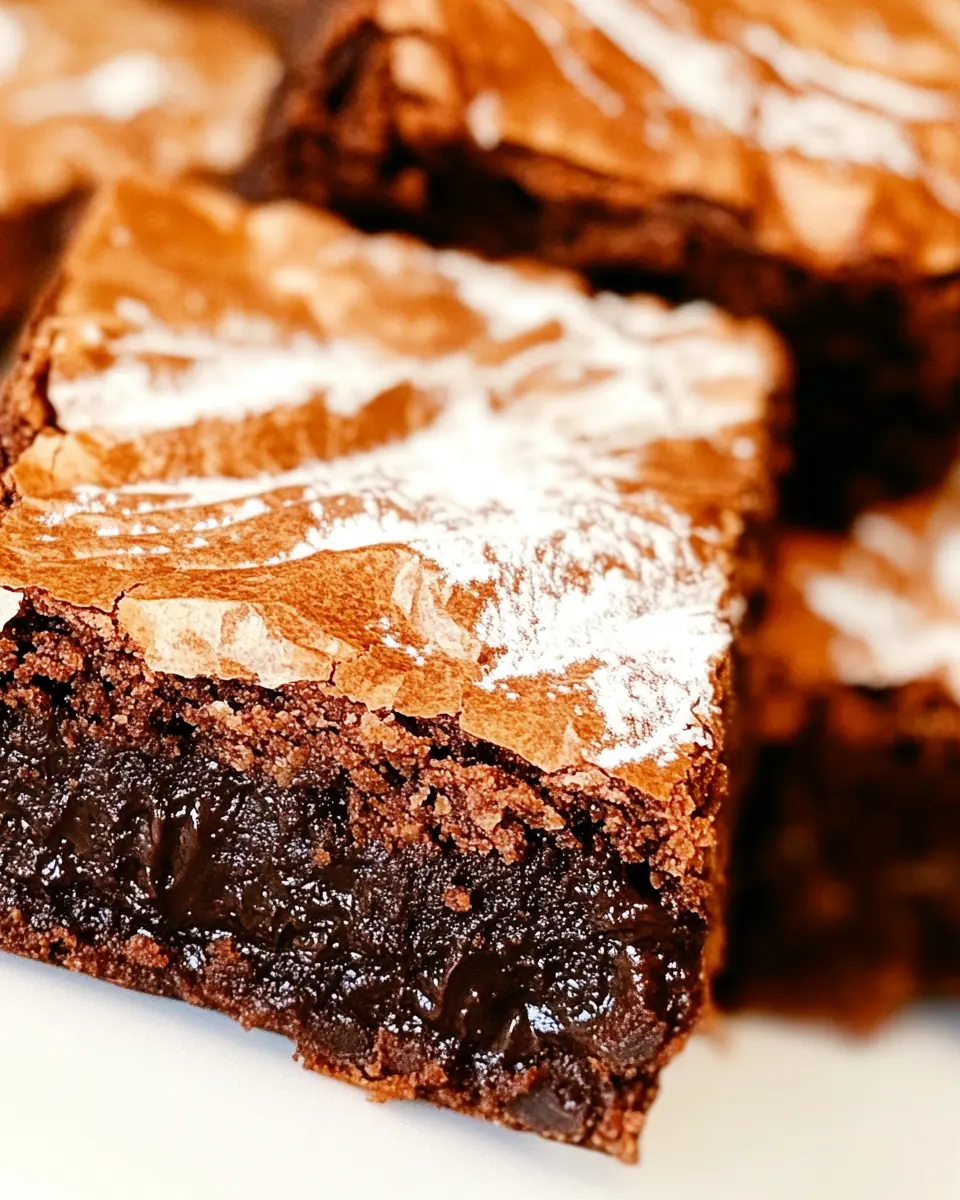
Preheat oven to 350 degrees F.: You will notice the kitchen warming and a faint hum from the oven as it reaches temperature, which ensures the brownies bake evenly and develop that thin, crackly top. Preheating is critical because putting batter into an unheated oven changes the texture, often leading to uneven rise. Avoid placing the pan in too early since the edges can set before the center warms.
Line an 8" square baking pan with parchment paper or aluminum foil. Set aside.: Feel the smoothness of the parchment and tuck it into the pan so an overhang makes lifting the brownies simple after baking. This tiny step saves time and preserves the edges when you remove the pan. A common slip is not securing the liner, which can shift when you pour the batter; press it into the corners first.
Place butter and chocolate in large mixing bowl. Melt in microwave in 20 second increments, stirring between each - until smooth. Set aside to cool to room temperature.: As the butter and chocolate melt, you will see a glossy, thick liquid form and smell warm cocoa notes filling the air. Stirring between intervals prevents scorching and helps the mixture combine smoothly. Letting it cool slightly prevents the eggs from cooking when added. A common error is overheating, which can seize the chocolate, so pause and stir often.
Whisk melted chocolate few times. Add eggs, one at a time, whisk well after each addition. Whisk the whole mixture really well.: Right after adding the first egg you will see the mixture loosen and shine, and the whisk will leave visible ribbons on the surface. Adding eggs slowly allows them to emulsify into the chocolate, creating a silky, cohesive batter. Rushing this step can cause the mixture to split, so take your time whisking fully between additions.
Add sugar and mix well.: When you stir in the granulated sugar , the batter will slightly thicken and the surface will reflect light differently, indicating good incorporation. Sugar helps with the texture and the formation of a crackly top. If the sugar feels grainy, whisk longer until it integrates; under mixing can leave pockets of sugar.
Add vanilla and salt and whisk in.: Dropping in the vanilla extract and the measured salt sharpens the chocolate flavors, and you may notice a slight aromatic lift as you whisk. These small additions round the taste and balance sweetness. Measure carefully because too much salt or vanilla can overwhelm the chocolate.
Add sifted flour and cocoa powder and stir in with a spatula.: As you fold the sifted all purpose flour and unsweetened cocoa powder , the batter will become denser and darker, and the spatula will pull through with a thick ribbon. Folding gently preserves the glossy texture created by the eggs and melted chocolate, which is important for fudginess. Overmixing at this point develops gluten and leads to a cakier brownie, so stop as soon as streaks disappear.
If desired, stir in additional chocolate chips.: Dropping in extra semi sweet chocolate chips adds melty bursts when baked, and you will see pockets of chips dot the batter visually. Folding them in just until distributed keeps the batter uniform. A mistake is adding too many mix ins, which can interfere with proper structure.
Pour the batter into prepared pan. Smooth out the top. Tap the pan against the counter to release air bubbles.: Watch the batter settle into the pan, and use a spatula to create an even surface so the brownies bake uniformly. Tapping the pan sends tiny bubbles to the surface, which prevents large holes in the finished squares. If the surface is uneven, it can cause inconsistent baking and texture differences across the pan.
Bake brownies for 22 to 25 minutes. Cool completely in pan. Remove from pan and cut into 9 squares.: As the brownies bake you will smell intense chocolate and the edges will pull slightly away from the pan, while the center still looks slightly set and glossy. Cooling fully allows the interior to finish setting so clean squares cut easily. Cutting too hot will create a gooey mess, while overbaking will dry them out, so test with a toothpick for a few moist crumbs.
Store in a single layer in ziploc bag - they will stay soft for days.: Once cooled, placing the squares in a single layer in a sealed bag preserves softness and prevents crusting. The sealed environment retains moisture and the chocolate aroma. Avoid stacking without separation because the top crust can stick to adjacent pieces and tear when separated.