In a large dutch oven, saute diced onions until translucent and they start to caramelize.: The kitchen should fill with a sweet, savory aroma as the onion softens and edges turn a light amber, a sign that natural sugars are developing. This step creates a flavor foundation that lifts the rest of the dish, because caramelized onion contributes both sweetness and depth. You will hear a gentle sizzle as moisture escapes, and visually the pieces become glossy and softer, not browned to a crisp. Stir frequently to prevent hot spots, and reduce heat if they begin to burn. A common mistake is rushing this step on high heat which yields bitter, charred bits instead of mellow sweetness, so be patient and keep the pan moving.
Add ground meat and brown until just done. It’s okay if it still has some pink in it before you add the rest of the ingredients.: As the ground beef hits the pan you’ll hear a pronounced sizzle, and small browned bits will form on the pot surface, carrying concentrated flavor. Browning builds Maillard notes that enrich the sauce later, but avoid overcooking so the meat stays tender; slightly undercooking is fine because it will finish simmering in the sauce. Break the meat into even pieces so it cooks uniformly, and spoon off excess fat if the pot seems greasy, but preserve some for flavor. A pitfall here is cramming too much meat at once which steams instead of browns, so brown in batches if needed for an even crust.
Add seasonings (minus the baking soda) and cook for 1-2 minutes, stirring continuously.: When you add the dry spices like chili powder , cumin , and paprika to the hot fat, you’ll immediately notice their aromas bloom into the air; this brief toasting unlocks essential oils that deepen the flavor. Stirring prevents burning and ensures each grain is coated, which helps distribute spice through the sauce. You should smell a toasty, warm fragrance rather than a sharp raw spice scent. Avoid leaving spices unmoved on the hot surface, since that causes bitterness; constant stirring for the short duration is the key technique here.
Pour in the tomato sauce, diced tomatoes, water and tomato paste.: As you add the liquids, watch the pot change from dry and glossy to a bubbling, saucy pool. The tomato paste will dissolve and enrich the body of the sauce while the canned liquids loosen it. Visually you want a cohesive mixture where the paste has melted into the sauce and no raw paste clumps remain. Stir until evenly combined so pockets of concentrated paste do not cause uneven flavor. A common error is adding liquid to a pan that is too cold, which can leave clumps, so ensure the pot is warm and stir vigorously until smooth.
Bring to a simmer over medium low heat and cook for about 10 minutes.: The sauce should develop gentle, steady bubbles that break on the surface rather than a rolling boil, a sign the flavors are marrying without reducing too quickly. During this time, the tomatoes will soften and the liquid will slightly thicken, concentrating the taste. You’ll smell a unified tomato and spice aroma instead of raw tomato. Keep the heat steady to avoid scorching, and stir occasionally to prevent sticking. Rushing with higher heat can cause separation or burnt flavors, so maintain that gentle simmer as the safest approach.
Stir in the baking soda. The sauce will start to bubble up. Stir over medium heat until the bubbles have gone away.: When the baking soda hits the acidic tomato base it creates a noticeable fizz, and the bubbling is an expected reaction that quickly subsides as the pH balances. This alters the sauce flavor, rounding off sharp acidity and producing a smoother mouthfeel. You should stir until the foam dissipates and the sauce returns to a calm simmer, ensuring no pockets of foam remain. Avoid adding too much baking soda or the sauce can taste soapy, so stick to the specified small amount and watch the reaction unfold.
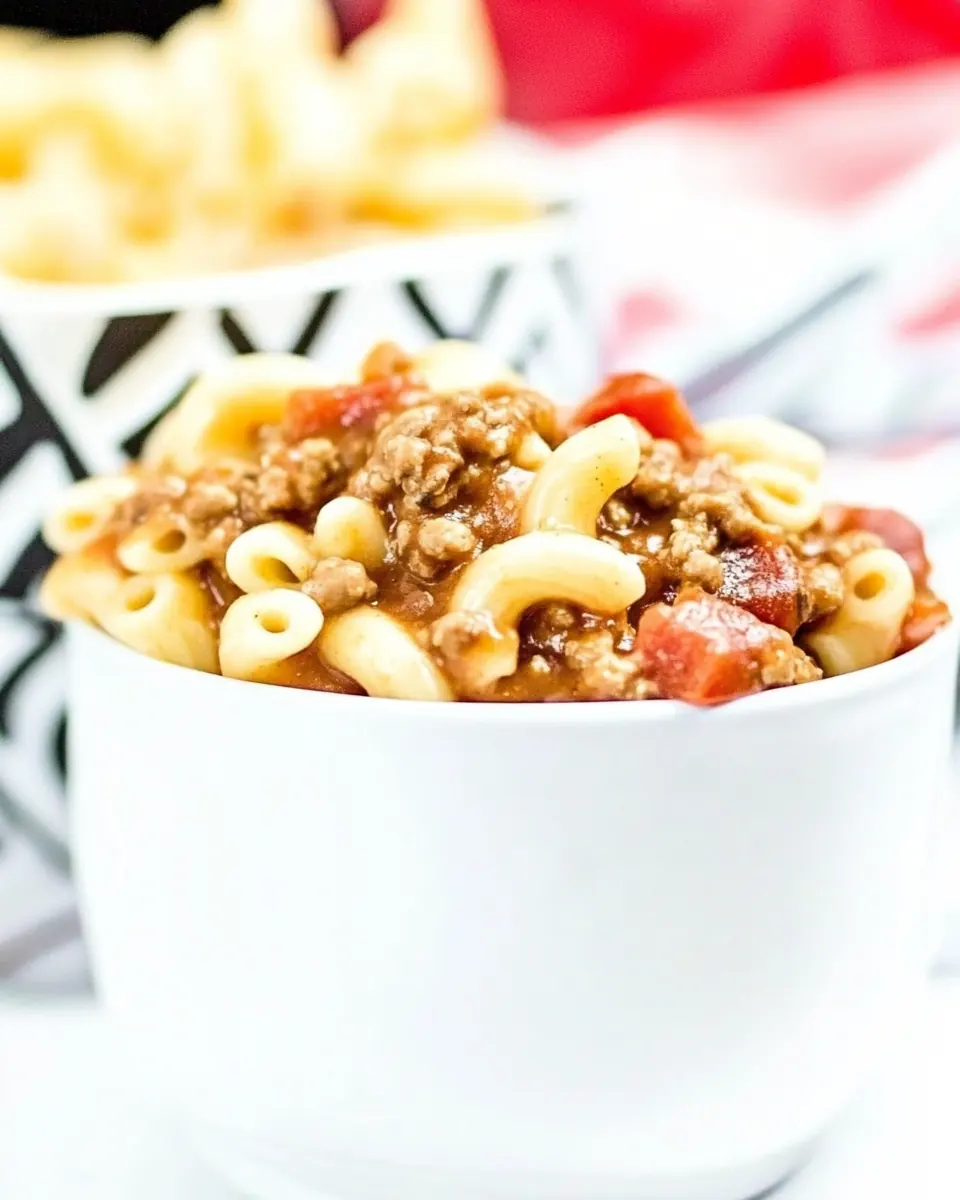
Stir in beans and pasta. Simmer until macaroni is al dente. Remove from heat and sprinkle cheese on top and let it melt. Stir and serve.: As you add the kidney beans and elbow macaroni , the pot will thicken and the macaroni will begin absorbing the sauce, plumping and releasing a subtle starchy sheen that helps the mixture cling together. The bubbling sound becomes softer and the aroma richer as starch and tomato integrate. Cook until the pasta is tender but still slightly firm at the center, which ensures a pleasant bite rather than mush. After removing from heat, the hot surface will melt the cheddar cheese , creating ribbons of creamy texture. A common misstep is overcooking the macaroni to mush, so taste a piece early and often to achieve the perfect al dente finish.
Top bowls with more cheese.: Serving each portion with an extra handful of shredded cheddar cheese adds a glossy, melty topping that creates contrast between the warm saucy base and the cool cheese as it softens. The cheese forms small pools and strings that add richness to every spoonful, and visually it looks inviting with a creamy sheen. If you prefer a crust, briefly broil portions to brown the cheese, watching closely to prevent burning. A typical error is adding cold cheese too early which prevents even melting, so top just before serving to achieve the best texture.