Go Back
One Pot Skinny Pasta Primavera

One Pot Skinny Pasta Primavera

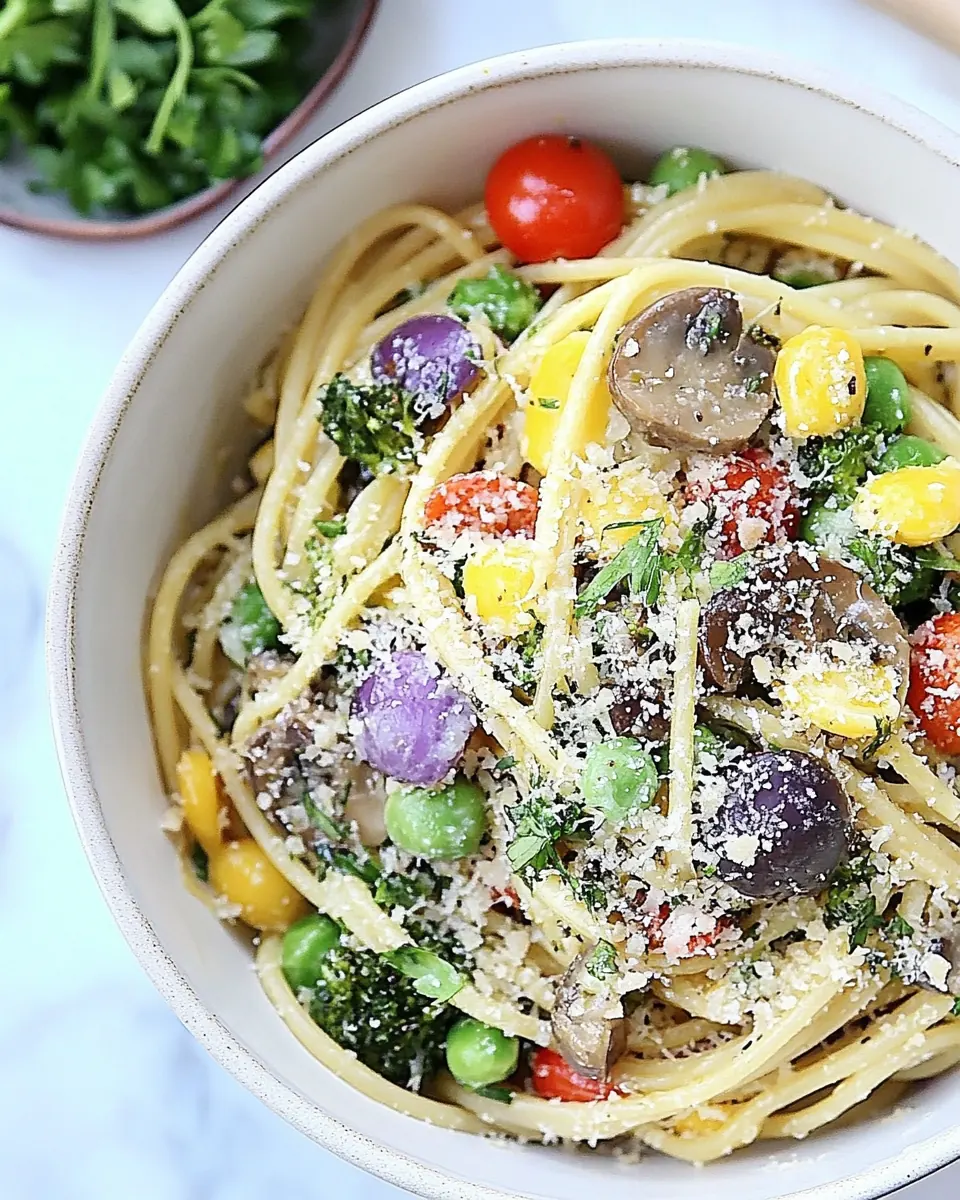
One Pot Skinny Pasta Primavera is a creamy yet light pasta full of spring vegetables and bright lemon notes. The almond milk sauce clings to broken spaghetti, making an easy weeknight dinner that feels both healthy and satisfying. It is perfect for quick family meals and for showcasing seasonal asparagus and peas, a tasty reason to make it tonight.
Prep Time 15 minutes
Cook Time 20 minutes
Total Time 35 minutes
Servings: 6 servings
Course: Dinner
Cuisine: Italian
Calories: 350

Ingredients
  

  • 8 ounces spaghetti noodles, broken in half Broken into halves to create shorter strands that cook evenly, provides the primary carbohydrate and structure for the dish; absorbs flavors from the broth and almond milk to create a creamy one-pot base.
  • 1 leek, cleaned and sliced thinly Cleaned and sliced thinly to lend a mild, onion-like sweetness and subtle vegetal crunch; helps build aromatic layers when softened and melds with garlic and thyme for depth.
  • 1/2 pound asparagus Trimmed and cut into bite-sized pieces to add bright green color, a tender-crisp texture, and a slightly grassy, spring flavor; contributes nutrients and visual contrast to the pasta.
  • 1/4 pound broccoli florets Separated into small florets to introduce a hearty, earthy bite and slightly crunchy texture; soaks up cooking liquid and balances softer components with vegetal substance.
  • 1 cup brown mushrooms, stemmed and sliced Stemmed and sliced to provide an umami-rich, earthy flavor and tender texture; releases juices that enhance the savory profile of the almond milk and broth base.
  • 4 cloves garlic, peeled and minced Peeled and minced to infuse the dish with pungent aromatic savory notes; browns quickly to form a fragrant foundation that complements the leek and herbs.
  • 3 cups Almond Breeze Almondmilk Original Unsweetened Used unsweetened to create a light, dairy-free creamy sauce that coats the pasta while keeping the recipe lower in saturated fat; contributes subtle nuttiness and smooth mouthfeel.
  • 1/2 cup vegetable broth Added as a savory liquid to deepen flavor, help cook the pasta, and contribute salty, vegetable-forward notes; combines with almond milk to form the cooking medium.
  • 1 teaspoon red pepper flakes Sprinkled in to provide a touch of heat and warmth that enlivens the creamy sauce without overpowering the vegetables; use sparingly to control spice level.
  • 1 teaspoon kosher salt Measured to season the dish and enhance overall flavor, ensuring the pasta and vegetables are properly seasoned; disperses evenly through the cooking liquid for balanced taste.
  • 6 fresh thyme sprigs, leaves separated from the stems Leaves separated and used to impart subtle, woodsy, and slightly floral herb notes; stirred in to lift the sauce with fresh fragrance and complement the vegetables.
  • 1 tablespoon olive oil Used to sauté vegetables and build flavor through gentle browning; adds a fruity richness and helps meld aromatics, herbs, and liquids into a cohesive sauce.
  • 10 -12 kale sprouts, ends trimmed and leaves separated Ends trimmed and leaves separated to add hearty, slightly bitter greens that contribute texture and nutrition; wilted into the pasta for added color and earthy flavor.
  • 3/4 cup English peas (or frozen peas that have been thawed) Incorporated thawed or fresh to contribute pops of sweet, tender green texture and bright flavor; blended into the sauce to add freshness and a slight starchiness.
  • 1/2 lemon, juiced and zested Juiced and zested to introduce bright acidity and citrus aroma that cuts through creaminess and balances the dish; adds a fresh, tangy finish that lifts flavors.
  • 1/2 cup grated parmesan cheese (+ more for garnish) Grated into the sauce to contribute salty, nutty, and umami-rich cheesiness that enriches creaminess and depth; reserved extra for garnishing the finished plate.
  • 1/4 cup dill leaves, roughly chopped Roughly chopped to provide a fresh, slightly anise-like herbal brightness and delicate texture; sprinkled in at the end to add aromatic lift and color contrast.

Equipment

  • Large stock pot or dutch oven
  • Wooden Spoon

Method
 

  1. Add the broken spaghetti noodles, leek, asparagus, broccoli, mushrooms, garlic, almond milk, vegetable broth, red pepper flakes, kosher salt, thyme leaves and olive oil to a large stock pot or dutch oven.: As the pot fills, you will see the pale strands of spaghetti noodles intermingled with slices of leek and pockets of green asparagus and broccoli florets . The first scent is bright raw starch and vegetal freshness, a clean almost green aroma. This raw phase is important because the liquid-to-pasta ratio is what creates the sauce later, so arranging everything evenly ensures the pasta absorbs liquid consistently. A common mistake is crowding the pot with oversized pieces, which leads to uneven cooking; keep pieces uniform so heat penetrates evenly.
  2. Bring to a boil then reduce to simmer but still bubbling and cook for 8 minutes, stirring occasionally so pasta doesn't stick together.: When the surface first breaks into rolling bubbles, you will hear a lively boil and smell the warming almond milk and garlic. Lowering to a steady simmer keeps the milk from foaming over while still cooking the pasta. You'll notice the liquid starting to cloud as starch releases from the spaghetti noodles , which is a good sign that the sauce is forming. Stirring occasionally prevents the stranded pasta from clinging to the pot, but avoid constant stirring which can make the texture gluey. A typical pitfall here is letting the heat run too high, causing the milk to separate and scorch on the pot edges.
  3. Add the kale sprout leaves and peas and cook for another 2-3 minutes or until pasta is cooked and the milk has reduced to a sauce.: As you fold in the kale sprouts and English peas , note the sudden pop of color and the fresh green scent that lifts from the pot. These ingredients need only a brief turn in the hot liquid to become tender yet still snap, preserving texture contrast. Watch the sauce viscosity; it should thicken as starch concentrates and liquid reduces, coating the vegetables without becoming dry. Overcooking here will lead to limp greens and a pasty sauce, so test a noodle for doneness and stop the heat once it is tender to the bite.
  4. Stir in the lemon juice, parmesan cheese and dill. The sauce will thicken as it cools. Season with more kosher salt as desired.: Off heat, the bright hit of lemon makes the aromas pop, while the grated parmesan cheese melts into the warm sauce, adding savory depth and a silky sheen. The dill contributes a fresh, herbaceous lift that complements the peas. The sauce will further thicken as it cools, which is why finishing ingredients are added off the flame so the cheese integrates smoothly. A common error is adding the cheese to a vigorously boiling pot which can seize it into grainy clumps; removing from heat prevents that.
  5. Serve with more dill leaves, parmesan cheese and sprinkle with the lemon zest.: The final presentation is all about contrast and aroma, with bright lemon zest dusted on top and extra parmesan cheese for creamy richness. When you spoon the pasta into bowls, you should see glossy sauce clinging to the spaghetti noodles and flecks of herb and zest that smell citrusy and herbaceous. Serve right away; if you wait, the sauce firms up and the textures change. A mistake people make is reheating too aggressively, which can dry the pasta or mute the fresh flavors, so rewarm gently if needed.
Notes

  • Swap greens thoughtfully: If you do not have kale sprouts, try baby spinach added at the same stage for a softer finish, keeping the cooking brief so the leaves do not become limp and watery.
  • Adjust heat: Increase or decrease the amount of red pepper flakes to control warmth, remembering that the heat intensifies slightly as the sauce reduces.
  • Boost umami: Stirring a small amount of grated parmesan cheese into individual bowls at service heightens savory depth without altering the pot's balance.
  • Make it more substantial: Add more mushrooms or a larger portion of broccoli florets for extra bite and texture, but keep pieces uniform to maintain even cooking.
  • Serve chilled or room temperature: This pasta works well slightly warm or at room temperature, especially for spring gatherings, as the flavors continue to meld off heat.