Melt butter in a small saucepan over low heat. Once melted, stir in 1/2 cup sugar, sour cream and salt. Remove from heat and let cool some while you proceed with next step.: The warm mixture should smell rich with butter and sweet with sugar , and the creamy aroma of sour cream will come forward, creating a comforting base scent. Letting it cool slightly prevents it from killing the yeast when combined later, and it also helps the fats blend smoothly into the dough. A common mistake is adding this while it is still piping hot, which can deactivate the yeast and prevent proper rising.
Measure warm water in a glass measuring cup. Stir in yeast and sugar. Let sit 5 minutes.: After combining, you should see the surface become foamy and slightly frothy as the yeast wakes up, releasing a yeasty, slightly bready scent. The sound is quiet, but visually the foam confirms activity. If nothing happens within five to ten minutes, your yeast may be old or the water the wrong temperature, in which case start over to avoid dense rolls.
Add 4 cups flour to a mixing bowl for an electric mixer. Make a well in center and add salt, yeast mixture and eggs.: The flour will look dry and powdery, with a neutral, wheaty aroma. Creating a well keeps wet ingredients contained so the dough forms evenly. When adding the salty edge, the salt will balance the sweetness. Avoid packing the flour tight, which can lead to adding too much and producing a heavy dough.
Add sour cream mixture and turn mixture on LOW. Once mixed fairly well, turn mixer to MEDIUM and mix for 1 minute.: Initially you will hear a soft mixing hum, and the dough will start to come together into a shaggy mass. The low speed prevents flour from puffing everywhere while letting the wet ingredients incorporate. Once on medium, the dough should smooth slightly and you will feel it pull away from the bowl. If it stays overly sticky despite mixing, resist adding a lot of extra flour immediately, as that can dry the rolls; instead rest it for a few minutes to hydrate.
Dough should be soft, not a tight ball, but add a little extra flour (up to 1/2 cup) if too wet. (I added 1/4 cup).: The ideal dough is slightly tacky and elastic, springing back gently when poked, and it should hold its shape without collapsing. Adding extra flour helps manage stickiness, but too much results in dense rolls. If you add flour, mix briefly to avoid overworking gluten, which would toughen the crumb.
Cover bowl with plastic wrap and refrigerate overnight.: The fridge will quiet fermentation and allow flavor to deepen slowly; you will notice a faintly tangy, developed aroma the next morning. Cold proofing strengthens the dough and enhances texture, producing rolls that are tender yet structured. A mistake here is leaving the dough uncovered, which can form a skin; keep it sealed to retain moisture.
Punch dough down and shape into balls about the size of a golf ball. You should get 16-20.: When you press the chilled dough it should feel cool and slightly resistant, and small air pockets may escape with a soft sigh. Rolling into balls creates even portions, and the tactile feedback helps you judge consistency. If the dough sticks to your hands, lightly butter them rather than adding more flour, preserving the intended hydration.
Place on a buttered baking sheet.: The surface should glisten slightly from the butter , which will help the rolls slide off easily after baking and contribute to a golden bottom crust. Arrange them evenly with a little space to allow expansion. Crowding them too close will cause uneven browning and misshapen rolls.
Cover and let rise until doubled, 60-90 minutes.: As they warm, you will see the rolls puff and the dough surface smooth out; the smell becomes pleasantly yeasty. The timeframe varies with room temperature, so watch for visual doubling rather than relying strictly on time. A common issue is underproofing, which yields tight crumb; if in doubt, give them a little more time until visibly doubled.
Preheat oven to 375 degrees.: The oven should reach a steady temperature so the rolls bake evenly and develop a golden crust. The air will take on a warm, slightly caramelizing scent as it approaches temperature. Avoid putting unbaked rolls into a not fully preheated oven, which can lead to poor oven spring and underbaked centers.
Brush rolls with beaten egg white.: The foamy egg white will give the tops a glossy sheen and encourage even browning. Use a light, even stroke so the rolls keep their shape and the surface becomes smooth. Overbrushing or pressing down can deflate the rolls, so be gentle and deliberate.
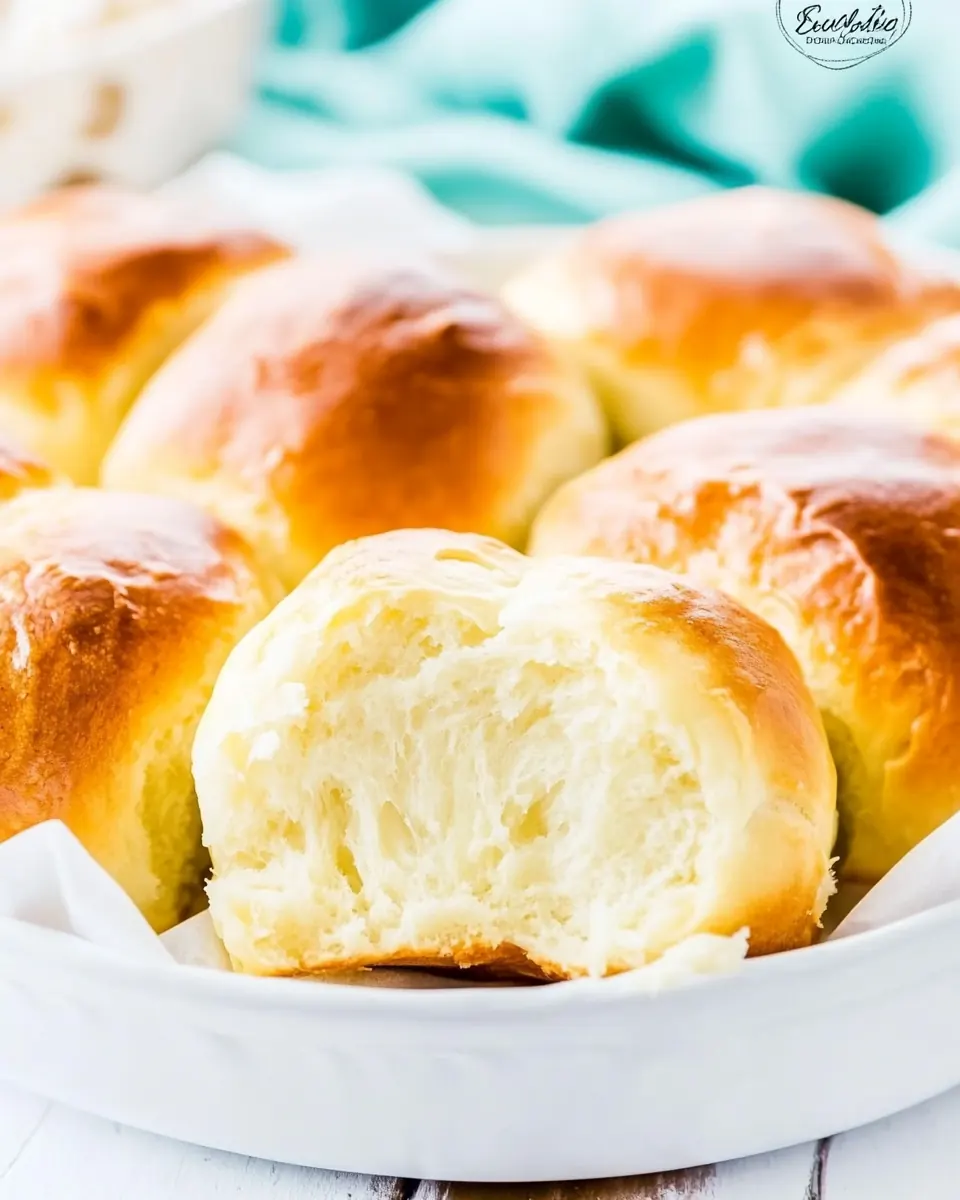
Bake for 14 to 16 minutes or until golden brown.: You should hear a faint crackle as the crust forms, and the tops will turn an inviting golden brown; the aroma will be fully developed, a mix of sweet butter and toasted flour. Tap the bottom of a roll, it should sound hollow, indicating it's baked through. The main pitfall is overbaking which yields dry rolls, so check toward the lower end of the time range and rely on color and the hollow sound.