Preheat the oven to 400°F (207°C).: When the oven reaches 400°F , you should feel a warm rush of dry heat as you open the door, and the air will smell faintly of warm metal. Preheating ensures the broccoli begins to brown on contact, creating crispy edges instead of slowly steaming. If you skip a full preheat, expect uneven color and softer texture. A common error is not allowing the oven to fully reach temperature, which results in pale florets rather than the desirable deep amber tips. Use an oven thermometer if your appliance runs cool.
Toss the sliced broccoli with olive oil and butter, then season with salt and black pepper. Transfer the broccoli to a baking sheet in a single layer and roast for 10 minutes.: As you toss the florets, you should see a glossy sheen from the olive oil and melted butter , and feel that each piece is lightly coated. This coating promotes even browning and carries the Parmesan later. Smell for a faint buttery aroma that signals the fat is distributed. The why is simple, fats conduct heat and enhance flavor. Avoid adding too much oil or butter, which will pool and prevent crisping. A frequent mistake is leaving water on the florets after washing, which causes steaming; always pat them dry first.
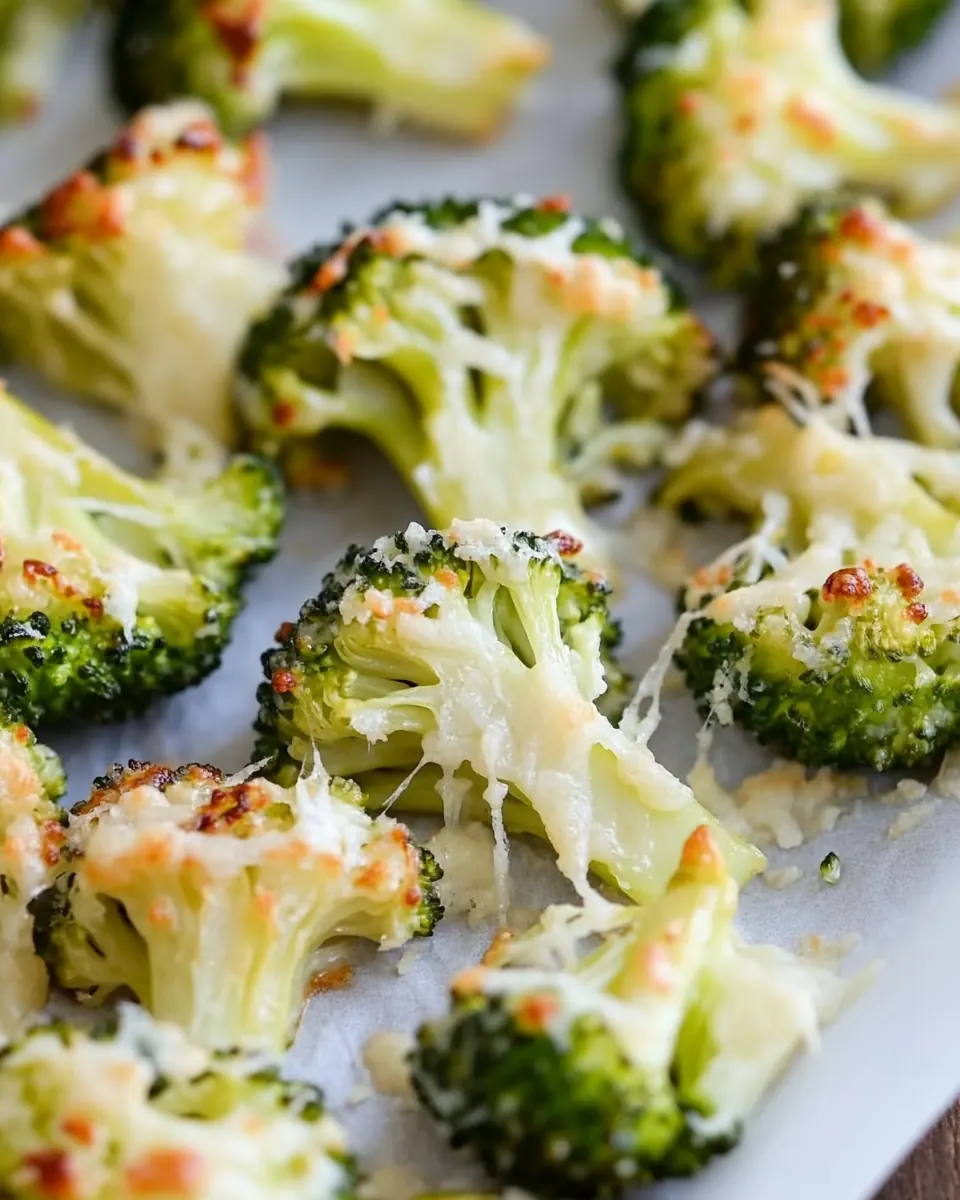
Remove the broccoli from the oven and sprinkle the grated Parmesan cheese on top. Roast again until the cheese melts and becomes slightly crusty, about 5 minutes. Remove from the oven and serve immediately.: Lay the florets spaced apart so hot air circulates, and listen for the quiet hum of the oven. During roasting, you will notice the tips darkening and the stems becoming more tender, and a light nutty scent will develop as sugars caramelize. This initial roast softens the vegetables while building color, which is crucial for texture contrast. Crowding the pan causes steaming instead of browning, and uneven sizes will lead to some pieces overcooking; trim large florets to match smaller ones for consistent results.
Remove the broccoli from the oven and sprinkle the grated Parmesan cheese on top.: As you pull the sheet from the oven, you should see a warm sheen on the florets and smell an intensified roasted aroma. Scatter the Parmesan evenly so each floret gets some coverage; the cheese will melt and later crisp into golden patches. This step adds umami and texture, and placing the cheese now prevents it from burning during the initial roast. The common slip is applying the cheese too early, which can lead to a burnt, bitter finish rather than a pleasant golden crust.
Roast again until the cheese melts and becomes slightly crusty, about 5 minutes.: Return the sheet and watch closely, because the Parmesan can go from melted to overly browned quickly. You want a combination of bubbling, melted cheese and small areas of golden crust, which adds a delightful crunch. The kitchen will fill with a toasty, salty aroma that signals readiness. If left too long, the cheese will become hard and the florets may dry out, so set a timer and check early. A typical error is not watching this final brief roast; frequent checks prevent overcooking.
Remove from the oven and serve immediately.: Fresh from the oven, the dish should glisten and offer a contrast of tender interior and crisp outer edges, with fragrant Parmesan pockets. Serve hot so the texture contrast shines; the cheese will firm as it cools. If you wait too long, the crust softens and the experience changes, so plan plating just before serving. A common mistake is letting it sit on the sheet, which steams the bottom; transfer to a warm plate to keep the textures intact.