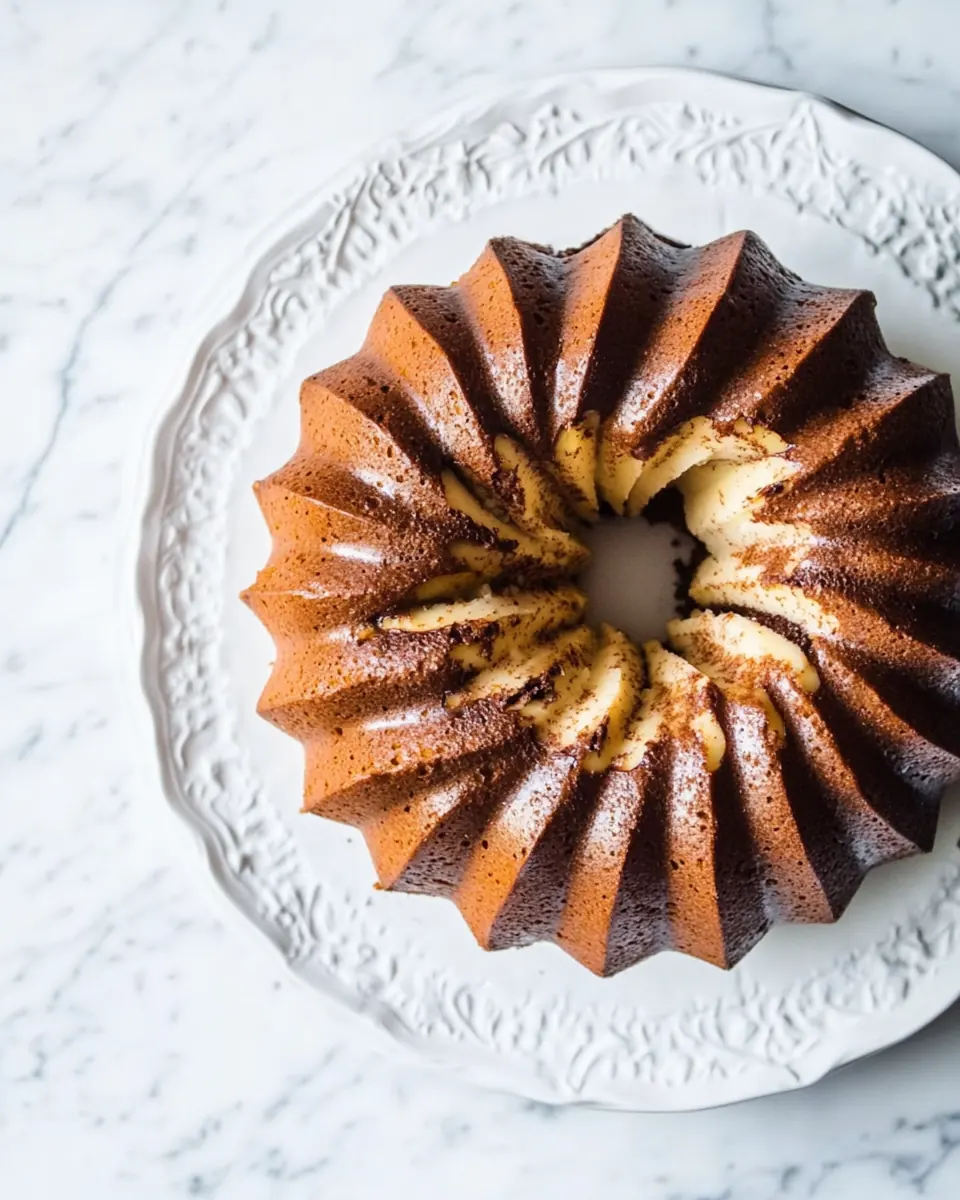
Place chocolate in a large bowl. Place cream in a saucepan, and bring just to a simmer over medium heat. Pour over chocolate, and allow to sit for a couple minutes before stirring together to form a silky chocolate glaze. The glaze will thicken as it cools, so use whilst still a pouring consistency.: The bowl should be warm but not hot, and when you add the chocolate the first thing you will notice is its dry, cocoa aroma. Breaking or chopping the chocolate into even pieces helps it melt evenly, preventing grainy spots. Avoid using a cold metal bowl straight from the fridge, because the sudden temperature difference can cause the chocolate to seize. If pieces are uneven, you'll get uneven melting, so take a moment to get them roughly the same size, which makes the final ganache smooth and glossy.
Place cream in a saucepan, and bring just to a simmer over medium heat: As the cream warms, watch for tiny bubbles forming at the edges, and you will smell a rich dairy sweetness rising. Heating to a gentle simmer, not a rolling boil, ensures the fats and water in the cream integrate with the chocolate without breaking. Stirring occasionally keeps the temperature even and prevents a skin from forming on top. A common mistake is overheating, which can make the mixture separate or scorch the cream , so pull it from the heat once you see the first steam and small bubbles.
Pour over chocolate, and allow to sit for a couple minutes before stirring together to form a silky chocolate glaze: When you pour the hot cream over the chocolate , the kitchen fills with a warm, cocoa scent that signals the beginning of emulsion. Letting it rest for a few minutes lets the heat soften the chocolate gently, and you will notice the surface look glossy and slightly molten. Stir slowly from the center outward until the texture becomes homogeneous and silky. Rapid, vigorous stirring can incorporate air and make the ganache clouded, so use gentle, consistent strokes to preserve shine. If the mixture looks grainy, allow a bit more time, and then stir; rushing this step risks a dull or separated glaze.
The glaze will thicken as it cools, so use whilst still a pouring consistency: As the ganache cools it moves from runny to velvet like thickness, and the moment to pour is when it still cascades but clings to the spoon. You will feel its weight change as it cools, and the sheen will deepen, signaling the ideal window to pour over the bundt. If it cools too much, warm it briefly over a double boiler to loosen it, stirring until smooth again. A frequent oversight is waiting too long, which yields a glaze that does not spread evenly and creates clumps rather than a smooth coat, so time your pour close to when your cake is ready to be finished.