Combine the oil and water in a saucepan and bring to a boil over medium heat. Add the salt and matzo cake meal, stirring constantly into a smooth paste.: You will hear the liquid transition from a quiet simmer to an active boil, and steam will rise quickly, which is the cue to add the next ingredients. This boiling point is critical because the sudden high heat is what helps hydrate the matzo cake meal properly, creating a paste that will trap steam in the oven. A common mistake is adding the dry ingredient too early, which can cause uneven hydration and lumps, so wait until the boil is steady.
Transfer the paste to a mixer and mix at low speed until cool, 3-4 minutes. Add the egg in a thin stream, continuing to mix until the paste is smooth and well blended.: As you stir, you should feel the mixture thicken and pull away from the sides of the pan into a cohesive mass; it will smell faintly toasted and sweet. Stirring continuously prevents scorching and ensures the matzo cake meal swells uniformly. If you stop stirring, you risk developing hot spots that give you uneven texture, so keep the motion steady.
Line two sheet pans with baking parchment. Using a pastry bag with a large plain tip or a plastic bag with a corner cut off, pipe 1"-1 1/2" diameter balls for cream puffs, or 1/2" x 4" sticks for eclairs. Space them about 2" apart and gently press any peaks down with a wet finger.: The paste will release heat while you mix, and you can watch it turn slightly less glossy as it cools, which is the cue for the next step. Cooling avoids cooking the eggs when they are added, preventing curdling. A common misstep is rushing this cooling; adding eggs too soon leads to scrambled bits in the dough.
Bake in preheated 425° oven until the shells have puffed and browned and are completely dry, 20-25 minutes. Make sure they're baked fully; otherwise, they’ll collapse.: When you begin incorporating the eggs , the paste will gradually become silkier and more fluid, taking on a glossy sheen that indicates proper emulsification. The sound of the mixer will change from heavy to lighter as the dough loosens. If you add eggs too quickly, the mixture will separate, so pour slowly and pause if the dough seems to break.
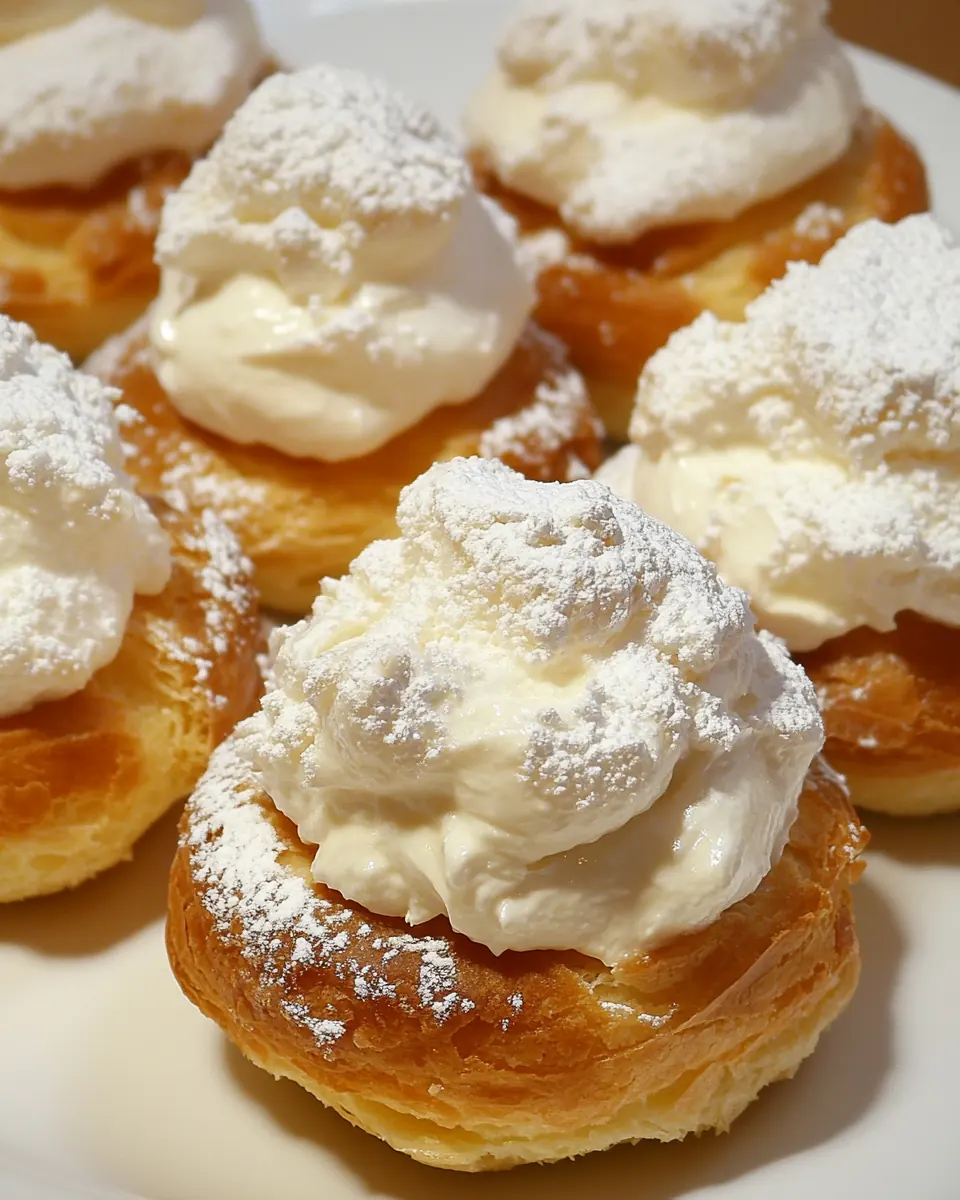
When cool, fill with whipped cream, Kosher for Passover pudding or Passover Custard Filling (see below) and top with chocolate icing or cornstarch-free powdered sugar.: The parchment creates a nonstick surface and helps the bottoms of the shells bake evenly, which results in a crisp base. As you prepare the pans, preheat your oven so it reaches full temperature; an oven that’s too cool will cause the shells to expand slowly and collapse. Placing the pans on insulated racks or using a lower shelf can alter browning, so be mindful of your oven’s hot spots.
In a saucepan over medium heat, combine sugar, salt and 1 cup of milk. Bring to a boil and remove from heat.: The dough should hold its shape when piped and show a smooth surface; if it feels runny you may have over-added egg. The visual cue is round, peaked mounds for puffs and neat elongated rectangles for eclairs. If peaks form, dampen your finger and gently press them down, because high peaks can brown too fast and darken the final look.
In a bowl, dissolve potato or tapioca starch into remaining 1 cup of milk. Add beaten eggs, whisking until smooth.: Proper spacing ensures air circulates and each shell puffs without touching its neighbor; you will hear a soft sizzling as they hit the hot oven which stops quickly once the outside sets. If items are too close they may bake into each other, resulting in misshapen pastries, so leave generous room and organize trays thoughtfully.
Add the egg mixture to the hot liquid in a thin stream, stirring constantly, and return to medium heat. Continue stirring until the custard thickens, 3-5 minutes.: As they bake, you will see rapid expansion and a golden hue developing, and the sound will change to a faint crackle as moisture evaporates. The shells should feel firm and hollow when you tap them; underbaked shells will collapse as they cool, so resist opening the oven early. If the tops brown too quickly, lower the rack or reduce heat slightly to avoid burning.
Remove from the heat, stir in butter and vanilla extract. The custard is ready to use when it reaches room temperature.: After removing from the oven, you may leave them in the turned off oven with the door ajar to ensure complete drying, which helps maintain structure. The interior should be dry to the touch through a small vent hole, and the exterior crisp. Rushing to fill warm shells can cause steam to soften them, so cool thoroughly before filling.
When cool, fill with whipped cream, Kosher for Passover pudding or Passover Custard Filling and top with chocolate icing or cornstarch free powdered sugar: The contrast between cool, crisp shell and chilled, creamy filling creates that signature bite, and the aroma of vanilla or chocolate will make the dessert irresistible. Use a pastry bag to pipe filling neatly to avoid overstuffing, which can split the shell. Avoid filling while shells are warm, as the heat will melt the filling and make the shells soggy.
In a saucepan over medium heat, combine sugar, salt and 1 cup of milk: As the liquid warms, you will see the sugar dissolve and the milk steam slightly, giving off a warm, sweet scent. Bringing it to a boil dissolves sugar fully and infuses the liquid with seasoning, which prepares it to thicken smoothly when combined with the starch and egg mixture. Watch carefully to prevent scalding, which can impart a cooked milk flavor.
Bring to a boil and remove from heat: The brief boil changes the milk’s behavior and makes it hot enough to temper the eggs without cooking them instantly. The surface will show gentle bubbles at the edges, and you should remove it promptly to proceed. Leaving it boiling too long risks reducing the milk and changing the custard’s final concentration and texture.
In a bowl, dissolve potato or tapioca starch into remaining 1 cup of milk: Whisk until smooth so no granules remain, and you will notice the mixture thicken slightly on standing, which is normal. A lump free slurry is essential because lumps will remain even after cooking and ruin the custard’s silkiness. If lumps form, strain the mixture before combining with the hot milk.
Add beaten eggs, whisking until smooth: When you add the eggs to the starch slurry, whisk vigorously so everything integrates evenly, creating a homogeneous base. This ensures the custard sets uniformly and has a consistent texture. If the eggs are not fully incorporated, you risk streaks or uneven thickening during cooking.
Add the egg mixture to the hot liquid in a thin stream, stirring constantly, and return to medium heat: Tempering like this gently raises the temperature of the eggs, preventing them from scrambling while allowing the custard to thicken smoothly. Keep stirring so the starch activates evenly and the mixture heats uniformly. Pouring too fast or stopping stirring invites curdled bits, so maintain rhythm until the next cue.
Continue stirring until the custard thickens, 3 to 5 minutes: You will feel the mixture begin to resist the whisk and see it coat the back of a spoon with a glossy, thick film, which signals readiness. The smell will become richer and slightly eggy but pleasant; the texture should be smooth and silky. Overcooking will make the custard grainy, so once it reaches thickness remove it from heat promptly.
Remove from the heat, stir in butter and vanilla extract: Adding the butter off heat enriches the custard, creating a luxurious mouthfeel and subtle shine, while the vanilla extract lifts the aroma. Stir until the butter melts fully and the custard appears glossy. Adding these at high heat can dissipate vanilla aroma and change the texture, so incorporate them gently.
The custard is ready to use when it reaches room temperature: As it cools it will thicken further and become easier to pipe into shells; its scent will intensify and the surface should be smooth. If you need to cool it quickly, spread it in a shallow pan and cover with plastic so it does not form a skin. Reheating is possible but can alter texture, so plan cooling to match your assembly timing.