Go Back
Pasta Primavera

Pasta Primavera

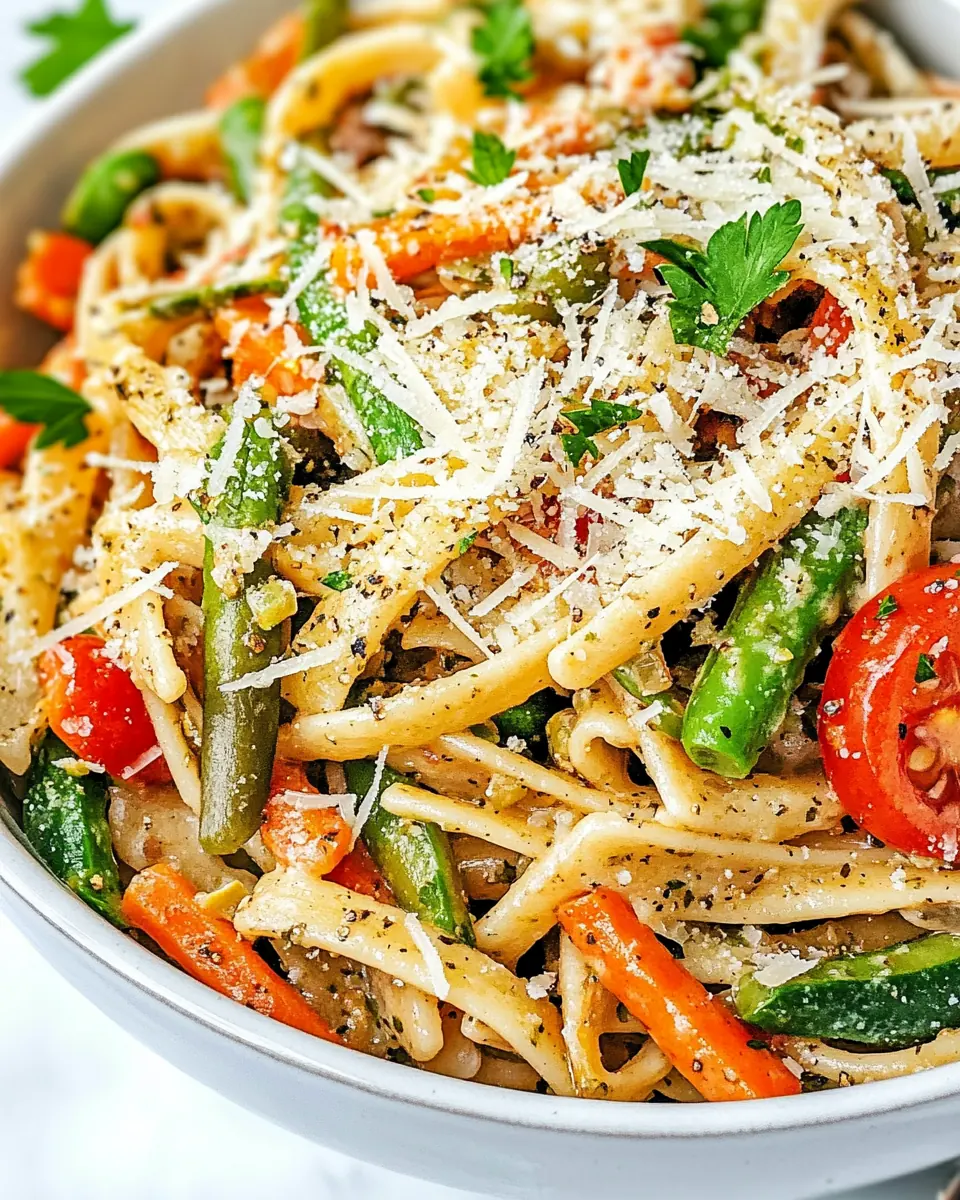
Pasta Primavera is a bright, creamy yet light pasta featuring tender penne and a medley of spring vegetables like asparagus and cherry tomatoes. This easy weeknight dinner is quick to pull together, offering savory Parmesan cheese and a lemony finish that makes each bite fresh and satisfying, perfect for busy nights when you want flavor without fuss.
Prep Time 15 minutes
Cook Time 15 minutes
Total Time 30 minutes
Servings: 4 servings
Course: Dinner
Cuisine: Italian
Calories: 350

Ingredients
  

  • 10 ounce penne (uncooked) Boil until al dente to provide the pasta base that carries the vegetables and sauce; drain and reserve a little cooking water to loosen the sauce if needed.
  • 2 tablespoon olive oil Drizzle into the pan at medium heat to coat and sauté the aromatics; adds richness and helps vegetables brown while infusing the dish with fruit-forward olive flavor.
  • 1 large onion (chopped) Sauté until translucent and soft to build a savory, sweet foundation for the primavera; chopped texture distributes flavor evenly throughout the pasta.
  • 1 pound asparagus (fresh, trimmed and cut into 2-inch pieces) Blanch or sauté until tender-crisp to introduce a fresh, slightly grassy crunch and bright green color; trimmed and cut into 2-inch pieces for even cooking and bite-sized pieces.
  • 2 cups mushrooms (sliced) Sauté until golden to contribute an earthy, umami depth and meaty texture; sliced shape helps release moisture and meld with the sauce.
  • 1 small zucchini (halved lengthwise and sliced) Sauté briefly to maintain a tender yet slightly firm bite and mild, slightly sweet flavor; halving then slicing gives uniform pieces that cook quickly.
  • 1 medium carrot (shredded) Shred finely to add delicate sweetness, color, and subtle texture that integrates easily; cooks quickly and helps bulk up the vegetable mix without large chunks.
  • 2 cups cherry tomatoes (halved) Toss in near the end and warm through to provide bursts of juicy acidity and visual appeal; halving intensifies their sweetness and ensures quick heating.
  • 4 cloves garlic (minced) Mince finely and sauté early to release aromatic oils and a savory bite; garlic brightens and layers the overall flavor profile of the sauce.
  • 1 tablespoon Italian seasoning Sprinkle during cooking to season the vegetables with a balanced blend of dried herbs; Italian seasoning imparts classic Mediterranean notes of oregano, basil, and thyme.
  • 1/2 teaspoons salt Season to taste to enhance and amplify the overall flavors; a half teaspoon helps bring out natural sweetness and balance the herbs and garlic.
  • 1/4 teaspoon pepper Grind over the finished dish to add subtle heat and aromatic depth; pepper contributes a warm, sharp note that complements the other seasonings.
  • 1/4 teaspoon red pepper flakes Crush or sprinkle sparingly to introduce a controlled spicy kick and contrast; red pepper flakes lift the dish with a light heat that brightens flavors.
  • 1 cup Parmesan cheese (freshly grated) Grate over the pasta just before serving to add a salty, nutty, and creamy element that binds the vegetables and pasta; freshly grated Parmesan melts beautifully into the warm pasta.
  • 1 lemon (cut in wedges) Serve in wedges alongside the plated pasta to squeeze over just before eating, adding bright citrus acidity; lemon juice balances richness and lifts the overall flavor.

Equipment

  • Le Creuset 3.75-Quart Braiser

Method
 

  1. Cook the penne according to package instructions. Reserve 1/2 cup of pasta water before draining.: You will hear a steady, gentle roar from the boiling water as the penne rattles around, and the scent of starchy steam will fill the kitchen. Cooking to al dente means the pasta should be tender with a slight bite when you test it, not mushy, because that bite keeps the dish from feeling heavy. The reserved 1/2 cup of pasta water is golden because it contains starch that helps the Parmesan cheese and olive oil bind to the pasta, creating a glossy, silky sauce. A common mistake is discarding this water, which can leave the final dish dry or clumpy. If the pasta seems close to done a minute early, taste a piece for texture rather than relying solely on the clock.
  2. Meanwhile, heat the olive oil in a large skillet over medium-high heat. Add the onion and cook until softened, 2 to 3 minutes.: You will smell the warm, fruity notes of the olive oil as it heats and then the sweet, savory scent of the onion as it begins to soften and become translucent. Listen for a friendly sizzle that signals the pan is at the right temperature; too loud and aggressive a crackle may mean the heat is too high. Softening the onion gently draws out its natural sugars, which builds a flavorful base for the vegetables. Avoid rushing this step at very high heat because burnt edges on the onion will impart bitterness.
  3. Add the asparagus, mushrooms and zucchini to the skillet and cook until tender, about 5 minutes.: As you add the vegetables, the skillet will sigh with a higher pitched sizzle. The mushrooms will begin to exhale their moisture and then brown slightly, releasing a deeper, savory aroma, while the asparagus and zucchini will soften and show bright, glossy color changes. Tender means the stalks have a bit of bite and the zucchini is not collapsing; this preserves contrast with the penne . A frequent misstep is overcrowding the pan, which causes steaming rather than browning, resulting in dull flavors.
  4. Add the shredded carrot, tomatoes, garlic, Italian seasoning, salt, pepper, red pepper flakes, stir and cook for another minute until the tomatoes begin to soften.: When you stir these last ingredients in, you should notice a burst of aromatic complexity: the sweet sharpness of the carrot , the bright juiciness of the cherry tomatoes , and the warm perfume of the garlic . The combination will create a gentle hiss as the tomatoes start to release their juices, which helps to create a light pan sauce. Cooking only until the tomatoes begin to soften preserves their freshness; overcooking makes them lose texture and become gluey. Be careful with the garlic , as it can turn bitter if exposed to very high heat for too long.
  5. Stir in the cooked penne, 1/2 cup of the cheese and some pasta water as needed. Serve and top with remaining Parmesan cheese and lemon wedges.: At this finishing stage you will notice the steam rising as the penne and vegetables reunite, and the texture will change to a cohesive, glossy mixture when the reserved starchy pasta water is added. The first 1/2 cup of Parmesan cheese you stir in will melt and thicken the sauce, clinging to each piece of penne , while the pasta water helps create an emulsion so the oil and cheese do not separate. Taste and adjust seasoning before plating. A common mistake at this point is adding all the liquid at once; instead, add pasta water gradually to avoid a watery sauce. Serve immediately with extra Parmesan cheese and a squeeze of lemon to brighten the final bite.
Notes

  • Vegetable swaps: If you do not have the exact vegetables listed, use similar textures like broccoli florets, bell peppers, or frozen peas. The important part is to match cooking times so everything finishes together. For firmer vegetables, cut them smaller so they soften at the same pace as asparagus and zucchini.
  • Pasta choice: While the recipe calls for penne, other short shapes like rigatoni or farfalle will work. The key is a shape that holds bits of vegetables and sauce. Avoid long delicate pastas if you want a substantial bite in every forkful.
  • Cheese handling: Use freshly grated Parmesan cheese for best melt and flavor. Packaged shredded cheese often has anti caking agents that prevent smooth melting, which can affect the sauce texture.
  • Heat control: Keep your skillet at medium to medium high so you get color without burning. If the pan starts to smoke, remove it momentarily from the heat and let it cool down to prevent bitter flavors.
  • Pasta water timing: Reserve the pasta water before draining and add it in small increments to reach a glossy consistency. Too much at once can make the dish soupy instead of saucy.
  • Make ahead: You can cook the penne a few hours ahead and toss it with a touch of olive oil to prevent sticking. Reheat gently with a splash of pasta water and a lid so the pasta warms evenly without drying out.