Add the olive oil to a medium skillet over medium-low heat. When warm, add the garlic and onion. Stir and cook for 2 minutes or until fragrant.: The air fills with a soft fruitiness as the olive oil warms, and you should see it shimmer gently but not smoke. This low heat lets the oil infuse with the aromatics without burning them, which is crucial for a sweet rather than bitter base. A common pitfall is cranking the heat, which scorches the oil and ruins the delicate flavors, so be patient and watch for the subtle sheen that signals readiness.
Add the peas and stir to heat through for 2 minutes. Turn off the heat.: Tiny pops and a gentle sizzle announce the aromatics meeting the oil, and within moments a warm, savory scent will fill the pan. Stirring frequently helps the onion soften evenly and the garlic release its aroma without charring. If you notice any browning too soon, lower the heat immediately, because burned garlic can add an unpleasant bitterness to the whole dish.
Meanwhile, bring a large pot of salted water to a boil. Add the pasta and cook according to the package directions.: You will feel the kitchen change as the sweet onion and pungent garlic perfume the air, and the pieces should become translucent with softened edges. This short cooking time builds flavor without losing brightness, which is essential for keeping the sauce lively. Overcooking at this phase dulls the aromatics, so remove from heat once you detect that tender, fragrant note.
While the pasta cooks, add the pea mixture to a blender along with the butter, cottage cheese, Parmesan cheese, and cream. Blend the sauce very smooth, adding up to 1/4 cup of the pasta cooking water as needed to make a very smooth sauce.: The pan will burst into a brighter green as the frozen peas hit the warm aromatics, and they should warm through quickly, releasing a gentle, vegetal sweetness. Stir so they heat evenly without turning mushy. Leaving them on the heat too long can make them grainy, so stop when they are hot but still hold their shape.
Drain the pasta and return to the pot.: Switching off prevents overcooking and preserves the vivid color and fresh flavor of the peas . The residual warmth is enough for the next blending step, and it keeps the mixture from overheating the dairy, which can separate. A common oversight is leaving the pan on, which risks breaking the sauce later when you blend.
Add as much of the sauce as you like and stir.: The pot should rumble with rolling bubbles and smell faintly mineral from the salt , which seasons the pasta from the inside out. Use enough water so the pasta can move freely; crowded noodles cook unevenly. Undersalting the water results in bland pasta , while oversalting cannot be fixed, so aim for water that tastes like the sea.
Serve warm with any optional toppings as desired.: As the pasta cooks you will notice it soften and release a starchy scent, and it should be tender but still with a slight chew. Stir occasionally to prevent sticking, and taste for doneness one minute before the package time to avoid overcooking. Overdone pasta will become gluey when mixed with the sauce, so pull it early if you prefer a firmer bite.
While the pasta cooks, add the pea mixture to a blender along with the butter, cottage cheese, Parmesan cheese, and cream: The blender transforms the bright chunks into a velvety emerald sauce, and you should hear the motor hum as the dairy and butter emulsify with the peas . The aroma becomes rich and slightly nutty from the Parmesan . If you skip thorough blending, you might end up with a slightly grainy texture, so blend until very smooth.
Blend the sauce very smooth, adding up to 1/4 cup of the pasta cooking water as needed to make a very smooth sauce: The sound will shift to a steady whirl as the mixture becomes glossy, and adding a little hot pasta water helps loosen the sauce and creates a silky emulsion that clings to noodles. If the sauce appears too thin, stop adding liquid and blend a bit longer to develop body. A common error is adding too much water too quickly, which dilutes the flavor; add gradually and judge the texture carefully.
Drain the pasta and return to the pot: The steam will rise, carrying a fragrant mix of starch and scent from the pasta , and returning it to the pot lets you toss the noodles while still hot so they absorb the sauce. Avoid rinsing the pasta as that removes beneficial starch that helps the sauce cling. If you rinse, the sauce will slide off and the plate will feel watery.
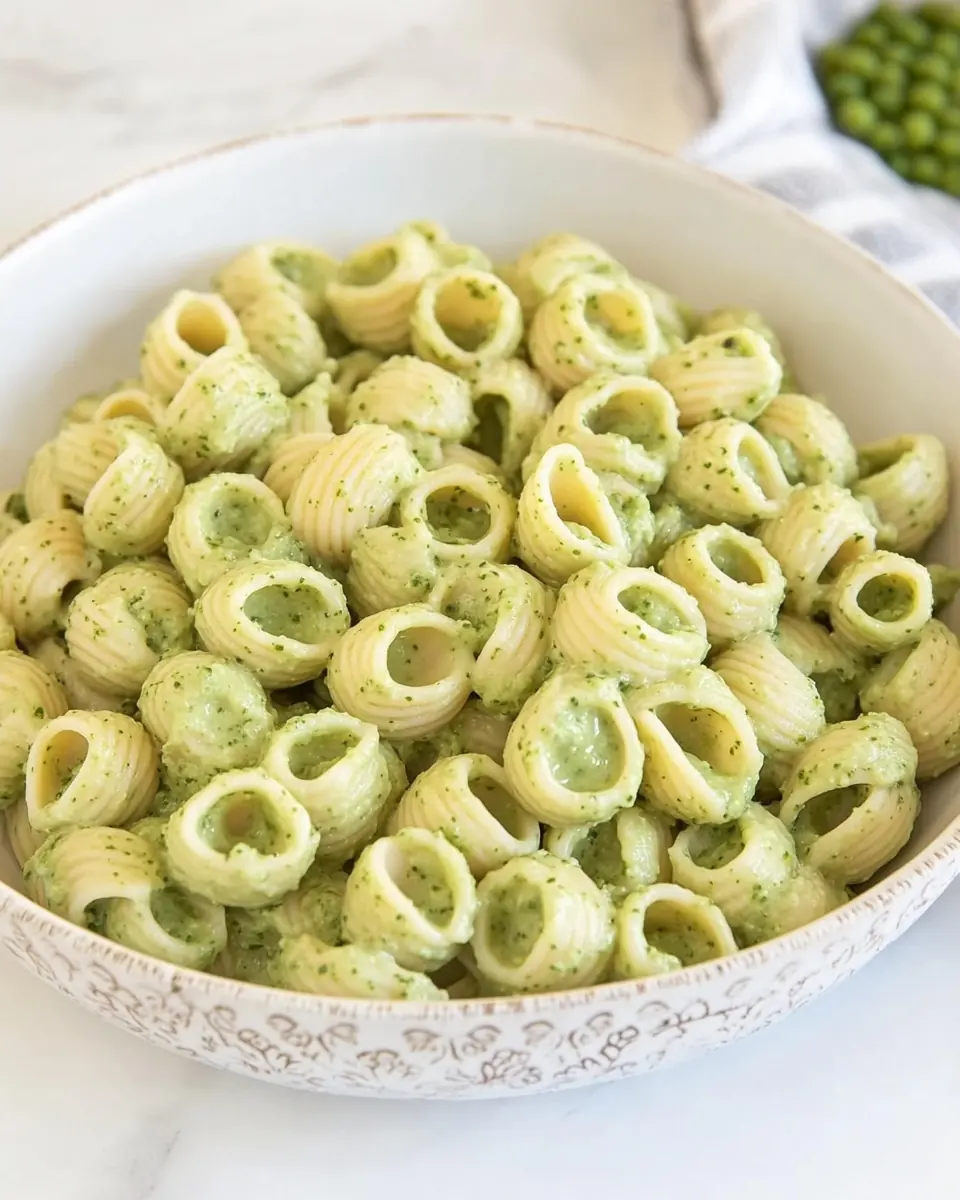
Add as much of the sauce as you like and stir: The final toss should coat each strand or shape in a glossy green cloak, and you will see the sauce cling and thicken slightly as it meets the hot pasta . Use tongs or a wooden spoon to lift and fold, making sure every piece is covered. A frequent slip is using too little sauce, which leaves the dish dry, so start with a few spoonfuls and add more until the texture pleases you.
Serve warm with any optional toppings as desired: The plate should steam gently, and finishing touches like lemon zest , chopped basil , or crumbled goat cheese add aroma and contrast. These accents bring a lift of brightness or creaminess that rounds the experience. Don’t overload the top, or the delicate pea flavor may be overwhelmed by bold garnishes.