Combine milk and salt in a saucepan. Bring to a boil.: The first smell you should notice is warm dairy with a faint mineral lift from the salt . Use a saucepan with a heavy bottom so heat distributes evenly, this prevents hot spots that cause scalding. Stir the milk gently as it warms so the proteins do not cling to the pan, and watch for tiny bubbles forming at the edges which indicate it's close to simmering. A common mistake is overheating to a rolling boil which creates a film on the surface and a cooked milk flavor, so keep the heat moderate.
Add cream of wheat and whisk so there are no lumps. Reduce heat to low and simmer until thickened – about 3 minutes. Remove from heat and let stand for 1 minute.: Listen for the subtle change from quiet surface to the soft pop of bubbles, and watch the edges for a trembling motion. This stage helps the milk become hot enough to fully hydrate the cream of wheat . Keep your eyes on the pot because dairy can foam up quickly and spill, making a mess and altering the concentration. If you see rapid foaming, lower the heat immediately to prevent a boil over.
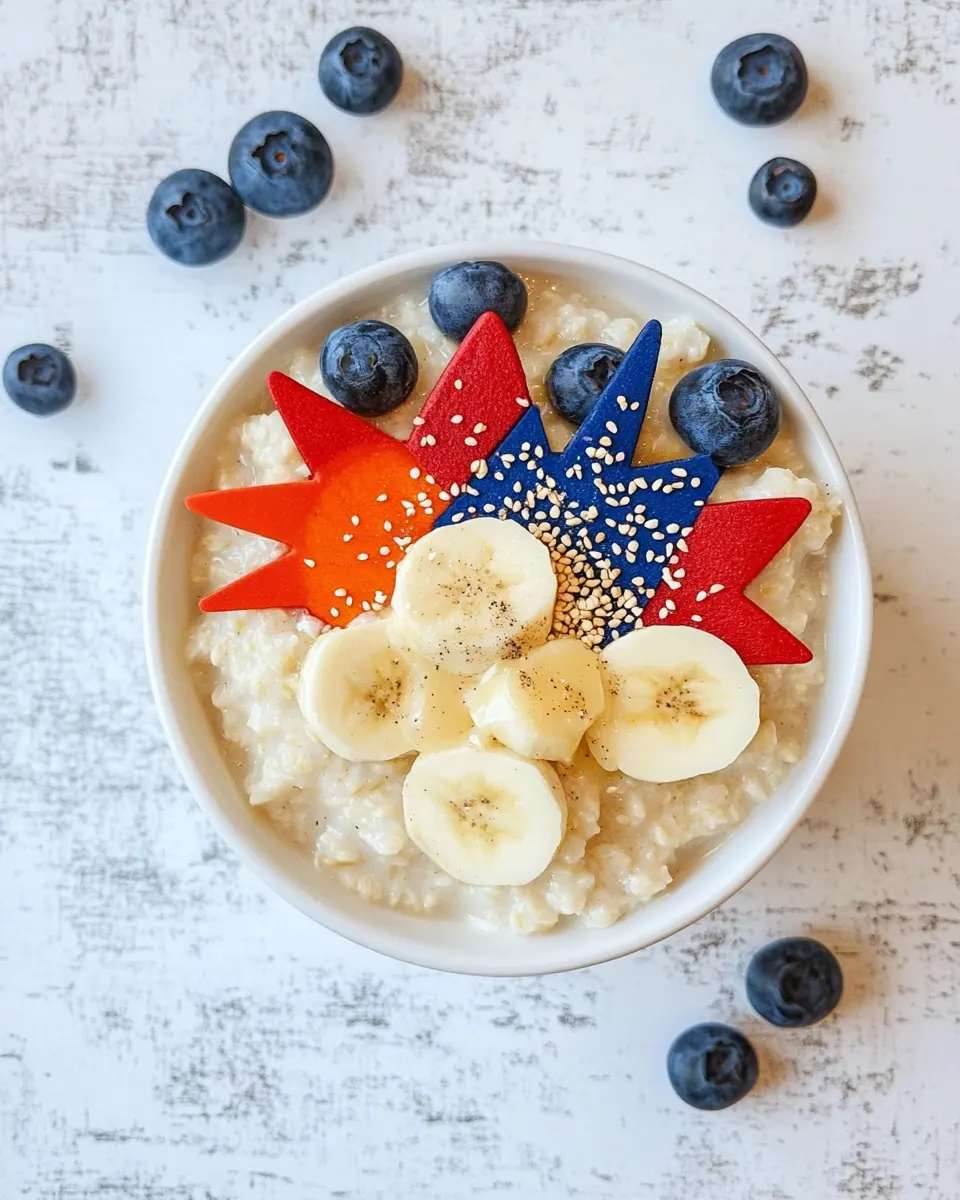
Pour into individual bowls. Top with blueberries around the edge of the bowl and sliced strawberries shaped like a star in the middle. Drizzle with honey.: When you add the cream of wheat , sprinkle it in slowly while whisking continuously so the granules disperse evenly into the hot milk . The whisking action breaks up potential clumps and creates a smooth texture. You should feel the mixture thinning briefly and then beginning to thicken as the cereal hydrates. If lumps form, use the whisk to press them against the side of the pan until smooth, and avoid using a spoon which can leave small pockets of uncooked grain.
Reduce heat to low and simmer until thickened about 3 minutes: On low heat the porridge will transform, coaxing out a gentle steam and a scent of toasty grain. Stir frequently with a spatula to monitor thickness and prevent a skin from forming on top. The noise will be quiet, a soft simmer, and you want the texture to be creamy and cohesive, not gluey. Overcooking can make it overly stiff, so test after two minutes and stop as soon as it coats the spoon and moves like a heavy ribbon.
Remove from heat and let stand for 1 minute: Allowing the porridge to rest off the flame finishes the thickening and lets residual heat even out the texture, giving a silkier mouthfeel. During this minute the porridge will settle, and steam will continue to carry aroma. Resist the urge to immediately serve from boiling heat, because the texture will be looser than intended and the presentation can be messy. If you skip this rest, you may end up with inconsistent spoonfuls.
Pour into individual bowls: As you spoon the porridge into bowls, watch the glossy surface and adjust for portion equality. Pouring from a low angle helps keep the surface smooth. The sound is subtle, a soft plop rather than a cascade. Avoid jostling the bowls which can cause the surface to skin; if that happens, stir gently to reincorporate.
Top with blueberries around the edge of the bowl and sliced strawberries shaped like a star in the middle: Arrange the blueberries so they form a neat ring which offers a pop of color and a burst of juicy texture when scooped. Slice the strawberries and fan them into a star shape for a cheerful center; this makes the dish seem festive without extra effort. Take care when slicing to keep pieces uniform, and avoid overly soft berries which will lose shape and bleed juice into the porridge.
Drizzle with honey: The final aromatic note is honey brushed across the fruit and surface of the porridge. Use a spoon to create thin streams so the honey pools lightly and glistens. The scent should be floral and warm, complementing the creamy base. Too much honey will dominate the fresh fruit, so add sparingly, tasting as you go to keep a balanced finish.