Preheat the oven to 350 and line a large cookie sheet with greaseproof paper and set aside.: When you preheat to 350 , you create the immediate environment needed for even baking, which helps develop lightly golden edges while keeping centers soft. You will smell warmth in the oven and the air in your kitchen will feel slightly sweeter once it is fully heated. Lining the sheet with greaseproof paper prevents sticking and makes cleanup simple, and it also helps the bottoms brown more evenly. One mistake people make is putting cookies on a cold sheet, which causes spreading, so make sure the tray is ready before the dough hits it. If your oven runs hot, position the rack in the center to avoid over browning.
Prepare two large mixing bowls- In bowl one, combine the Nutella, half the granulated sugar and one egg, and mix until combined. In bowl two, combine the peanut butter, remaining sugar and egg and mix until combined.: As you mix each bowl you will notice the spreads soften and become glossy, releasing that roasted nut aroma that signals they are blending well. Stirring until smooth encourages uniform texture so the dough holds shape when rolled. The separation into two bowls keeps flavors distinct so each cookie bite can present one dominant flavor or a fusion when pressed together. A common mistake is under mixing which leaves streaks of unmixed spread, resulting in uneven baking. If the mixtures look slightly lumpy, a few extra strokes with a sturdy spoon will smooth them out, and scraping the bowl sides prevents pockets of unincorporated sugar or egg.
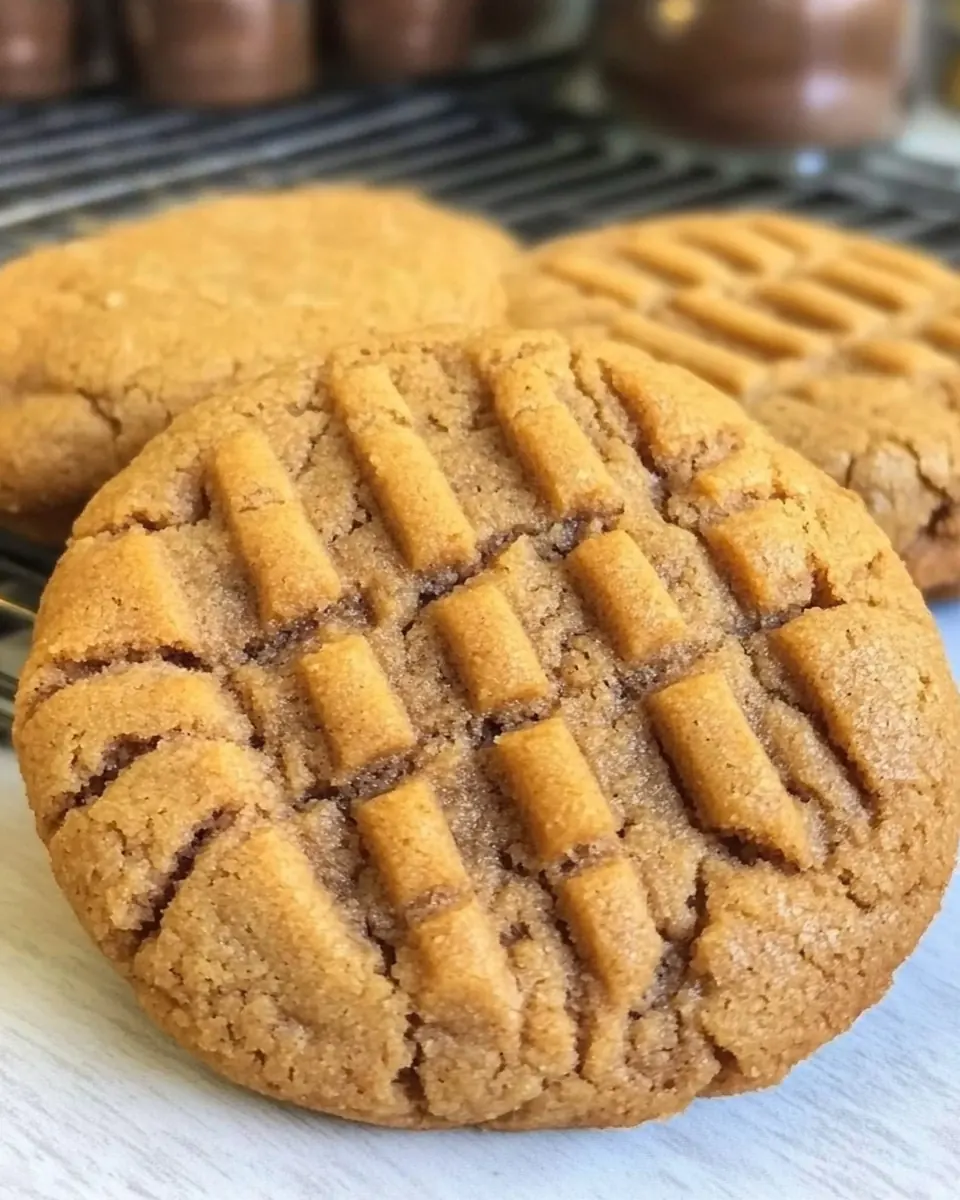
Using your hands, form small 2-inch balls with each kind of dough. Once completed, get one of each kind and press them lightly together, then place on the lined cookie sheet. Press each one down with a fork.: Working with your hands warms the dough slightly which makes shaping intuitive, and the tacky feel is normal. Aim for even size so they bake consistently, and pressing a Nutella ball to a peanut butter ball creates the signature marbled duo that gives alternating flavor hits. When you press them down with a fork you create texture that crisps at the ridges, a visual cue for doneness in the oven. Watch for excessive oiling on your fingers, it means the dough is too warm, so chill briefly for easier handling. Also avoid pressing them so flat they lose height, or they will become too crisp instead of tender in the center.
Bake for 10-12 minutes, until lightly golden brown but still soft. Remove from the oven and allow to cool on the baking sheet for 10 minutes before transferring to a wire rack to cool completely.: In the oven you will notice a subtle perfume of toasted nuts and chocolate as sugars caramelize and edges take on a faint golden hue. The cookie tops should still look slightly underdone, that is the signal they will set as they cool; removing them once they are fully firm yields a crisp texture rather than the desirable soft center. Letting them rest on the hot sheet for 10 minutes lets carryover heat finish setting the structure without drying them out. A frequent error is pulling them out when they appear too soft and then moving them immediately, causing breakage. Use a thin spatula when transferring after cooling to keep their shape intact.