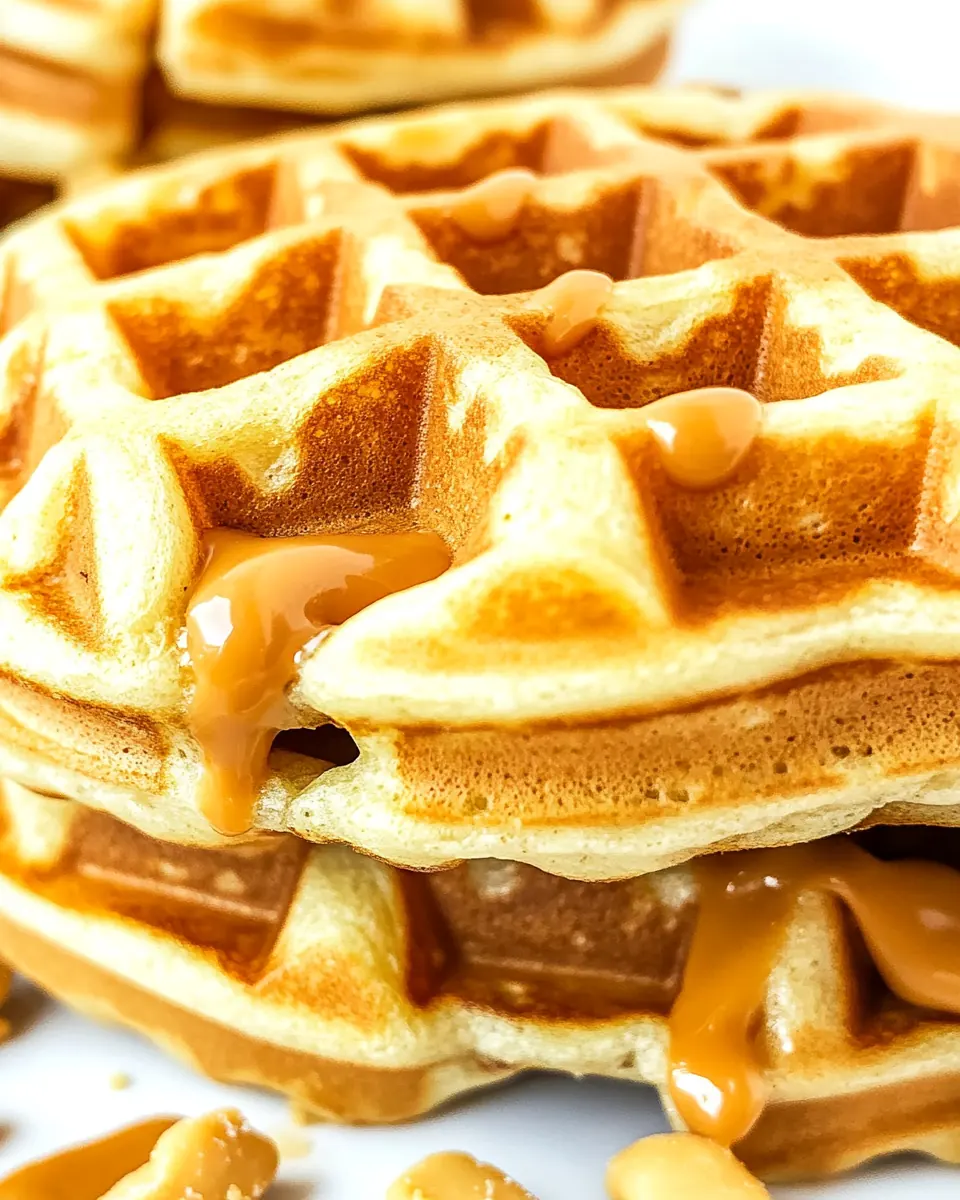
Preheat your waffle maker to medium-high.: The room fills with the faint electrical hum and a faint warm scent as the surface heats, which is your cue that the iron is nearly ready. A medium-high setting gives the right balance between quick browning and thorough cooking, so the dough cooks through without burning. One common mistake is starting on too high heat, which can char the outside while leaving the center dough undercooked. If your waffle iron runs hot, dial back slightly and test with one sandwich to dial in timing.
Open the can of biscuits and cut each biscuit in half like you’re making a sandwich. Place about 2 teaspoons of peanut butter on one side of the raw biscuit dough. If desired, top with some jam or honey. Place the top raw half of the biscuit on top and pinch the edges to seal. (The sealing is important or peanut butter will leak all over your waffle maker!): When you open the can, you often hear a soft hiss and see plump rounds of dough, which is oddly comforting. Cutting each biscuit in half creates two thin discs that cook evenly and fit well in standard waffle molds. Use a gentle twisting motion with a knife so the dough does not tear. A typical error is pressing too hard and compressing the dough which can make a dense finished texture; handle the dough lightly for a fluffy result.
Depending on the size of your waffle maker, cook one sandwich at a time. (My waffle maker is a standard round size and I make one in the center.) Cook about 1-2 minutes until golden. Time will vary depending on your waffle maker, so just watch the first few and see how long they take.: The creamy peanut butter should sit slightly centered so when you top it with the other half it spreads without reaching the edges. You will notice the rich smell of nuts and the glossy surface of the spread, which signals a proper amount. Overfilling is a frequent problem, leading to leakage and a sticky waffle iron; stick to a modest portion and you will get a clean seal.
Cool slightly (or completely) before serving. These can be cut into strips and dipped in syrup or you can even just serve them as a sandwich for lunch.: A small spoonful of jelly or a drizzle of honey adds bright sweetness that contrasts with the peanut butter . Keep the addition minimal so the filling remains contained while cooking. Too much jam causes juices to escape and caramelize on the iron, making cleanup harder and the sandwich soggy; use a light hand for the best balance.
Store in an airtight container for up to 3 days or freeze for up to one month. To reheat, simply microwave until warm. You can also toast them to make them crunchy. Or just place a frozen sandwich in a lunch box the night before and it’ll be defrosted by lunch the next day!: You will feel the dough layers join together as you press the rim, creating a compact pocket for the filling. A good pinch prevents the peanut butter from leaking and protects the waffle iron from messy drips. If you don’t seal generously, expect filling to ooze out during cooking, which is the most common issue at this stage; press firmly and crimp slightly for insurance.
Depending on the size of your waffle maker, cook one sandwich at a time.: Drop the sealed sandwich into the center of the preheated iron and close the lid. The initial contact releases a soft sizzle and you can often hear a gentle crackle as steam escapes, indicating moisture is evaporating. If you crowd the iron, the sandwiches will steam instead of crisp, resulting in a limp texture; cook in single layers if your iron is small for consistent browning.
Cook about 1 to 2 minutes until golden.: Watch the first one closely, because color and timing vary by waffle iron. You want a golden brown edge and an overall even color, which signals that the interior has set and the filling is warm. A common pitfall is undercooking which leaves dough pale and doughy inside, so adjust by small increments and test with one sandwich before doing a full batch.
Time will vary depending on your waffle maker, so just watch the first few and see how long they take.: The sound and sight are your best indicators, not the clock alone. Look for steady bubbling to slow and a deepening color, and you will learn how your appliance behaves. Many cooks make the mistake of following a fixed time and then ending up with inconsistent results, so treat the first one as your calibration sample.
Cool slightly or completely before serving.: Cooling firms the dough interior and makes handling easier, especially if you plan to pack them. When warm, the filling is melty and soft, offering a different experience than cooled sandwiches which are sturdier and portable. Cutting into them too early can cause the filling to spill, so allow a brief rest if you want neat slices for dipping.
These can be cut into strips and dipped in syrup or you can even just serve them as a sandwich for lunch.: Cutting reveals the cross section of crisp edge and pillowy dough with molten peanut butter inside, and dipping brings extra sweetness and moisture. For transport, choose to cool fully and wrap individually. An error people make is dunking piping hot pieces which can lead to sticky fingers and dripping; let them cool for a minute or two before serving.
Store in an airtight container for up to 3 days or freeze for up to one month.: Proper storage preserves texture and flavor, and frozen sandwiches reheat well from frozen or thawed. For reheating, a microwave quickly warms the center while a toaster or oven restores crisp edges. A common storage mistake is leaving them uncovered which causes them to dry out, so always seal tightly before refrigerating or freezing.
To reheat, simply microwave until warm.: The microwave quickly warms the interior, creating a gooey center, while a brief toast afterwards can bring back surface crunch. If you reheat straight from frozen, allow a little extra time and check frequently to avoid overheating. Overheating can make the dough tough and the filling overly runny, so aim for gentle warming.
You can also toast them to make them crunchy.: A toaster oven or skillet adds back crispness and gives a satisfying crunch to the exterior. When toasting, watch closely as they can brown faster the second time around. A mistake is leaving them unattended which risks burning the edges, so remain nearby and check them early.
Or just place a frozen sandwich in a lunch box the night before and it’ll be defrosted by lunch the next day!: This easy trick means you have a ready to eat sandwich without reheating, and the slight chill can be pleasant in warmer weather. Packing it well prevents condensation, which can make the exterior soggy; use a paper towel or airtight wrap to absorb moisture if needed.