Preheat the oven: Preheat the oven to 425°F. Line a baking sheet with parchment paper. Place an oven safe cooling rack on the baking sheet and spray it with cooking spray.: As you heat your oven to 425°F , you will notice a slight warmth fill the kitchen and a faint electrical hum from the oven. This high heat is important because it encourages quick browning of the coating without drying the interior, creating that ideal crisp shell. Spray the oven safe cooling rack and line the baking sheet so the crust gets airflow and browns evenly. A common mistake is using too low a temperature which yields a soggy crust, so resist the urge to lower the heat if your oven seems strong.
Make breadcrumb mix: Add the pecans, breadcrumbs, garlic powder, onion powder, paprika, salt and pepper to a food processor and pulse a few times until it resembles fine crumbs. Place this pecan mixture in a large Ziploc bag.: When you pulse the pecans , Panko breadcrumbs , and spices in the food processor until they resemble fine crumbs, you will get a fragrant, sandy mixture with bursts of toasted oil from the nuts. This texture is crucial because it adheres well and crisps. Transfer the mixture to a large Ziploc bag for easy dredging. Avoid overprocessing into a paste, which loses the airy crunch you want.
Prepare chicken: Place the chicken breasts on a cutting board and cover them with plastic wrap or parchment paper. Using a meat mallet or a rolling pin, pound the breasts until they are an even thickness, about 1/4-inch thick, to ensure they cook at the same time.: While pounding the breasts to about 1/4-inch thick , you will hear the soft thud of the mallet and see the meat flatten evenly, creating thin cutlets that cook rapidly. This uniformity prevents one piece from drying while another finishes. Keep some plastic wrap between the mallet and meat to avoid tearing the flesh. A common error is pounding too hard until the meat tears, so work gently and check thickness frequently.
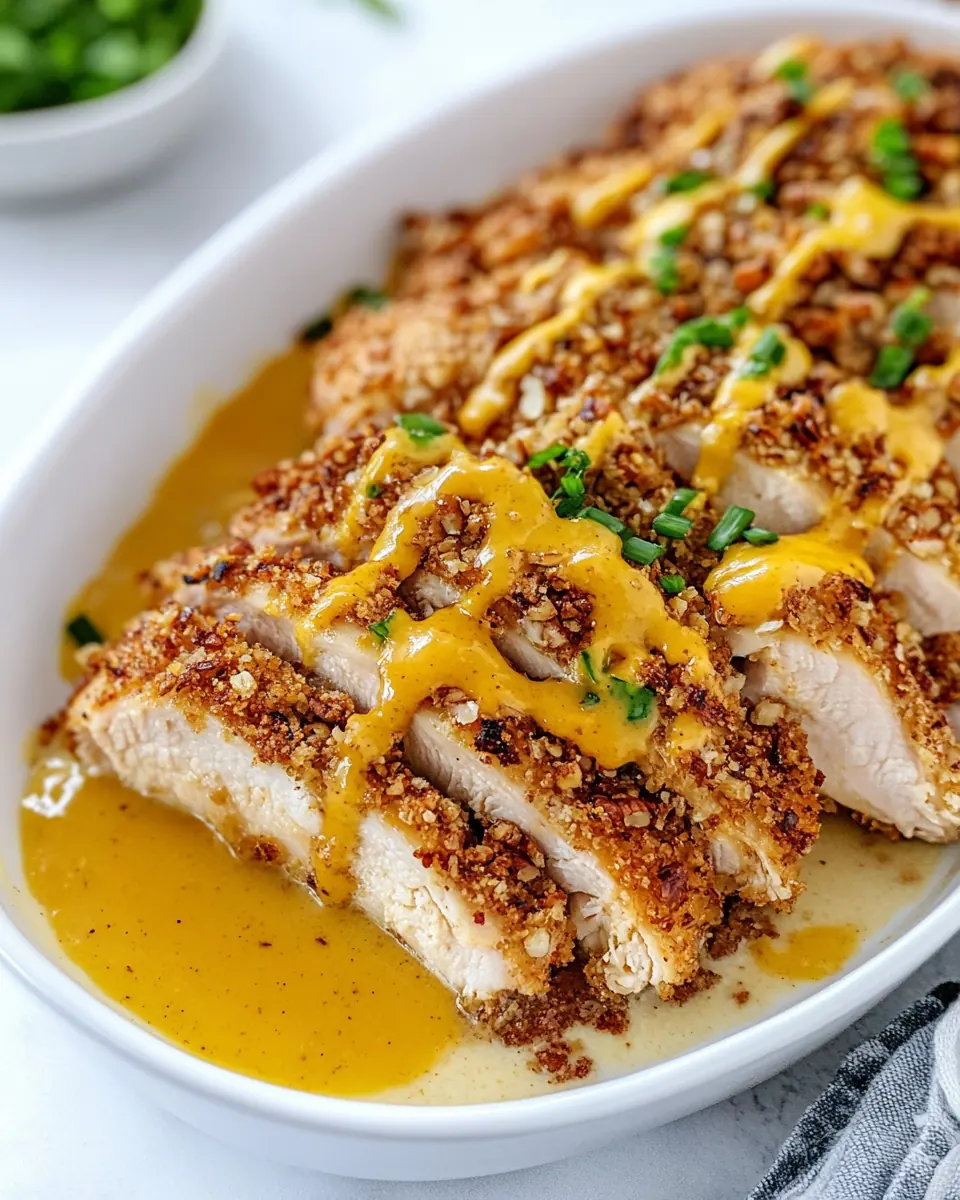
Coat the chicken: Working with one breast at a time, dip the chicken in the egg wash, then place it in the Ziploc bag with pecan mixture and shake it to coat the chicken. Place the pecan coated breast on the prepared baking sheet with cooling rack. Repeat with remaining breasts.: As you dip each breast in the beaten eggs and then into the pecan mixture inside the Ziploc bag, your hands will feel the sticky tackiness of the wash and the granular grit of the crust adhering. Shake the bag to ensure the coating covers the surface in an even layer, then set each coated breast on the prepared rack to let excess crumbs fall away. If you press too firmly while coating, the crust becomes compacted and less crisp, so shake gently instead of packing the crumbs on.
Bake: Spray each breast with a bit of cooking spray and transfer the baking sheet to the oven and bake for about 20 minutes or until cooked through. The chicken is cooked when the internal temperature of the breast reaches 165°F.: When you transfer the sheet to the oven and bake for about 20 minutes , the kitchen will fill with the scent of toasted nuts and warm spices while the crust gradually turns golden brown. The rack allows air to circulate, crisping the underside as well. Use an instant read thermometer to confirm the internal temperature reaches 165°F , which means the chicken is safely cooked yet still juicy. A frequent mistake is overbaking; if you wait for too dark a color, the meat can dry out, so rely on the temperature not just color.
Make sauce: Meanwhile, whisk the honey mustard sauce ingredients together in a bowl and whisk well. Drizzle over the chicken before serving.: As you whisk honey , mayonnaise , Dijon mustard , and white vinegar , you will notice the sauce emulsify into a glossy, creamy dressing with a sweet tang and a faint tangy bite. This contrast cuts through the richness of the crust and ties the dish together. Taste and adjust balance if needed. A common pitfall is making the sauce too acidic; add a touch more honey if it seems sharp.