Go Back
Pineapple Protein Smoothie

Pineapple Protein Smoothie

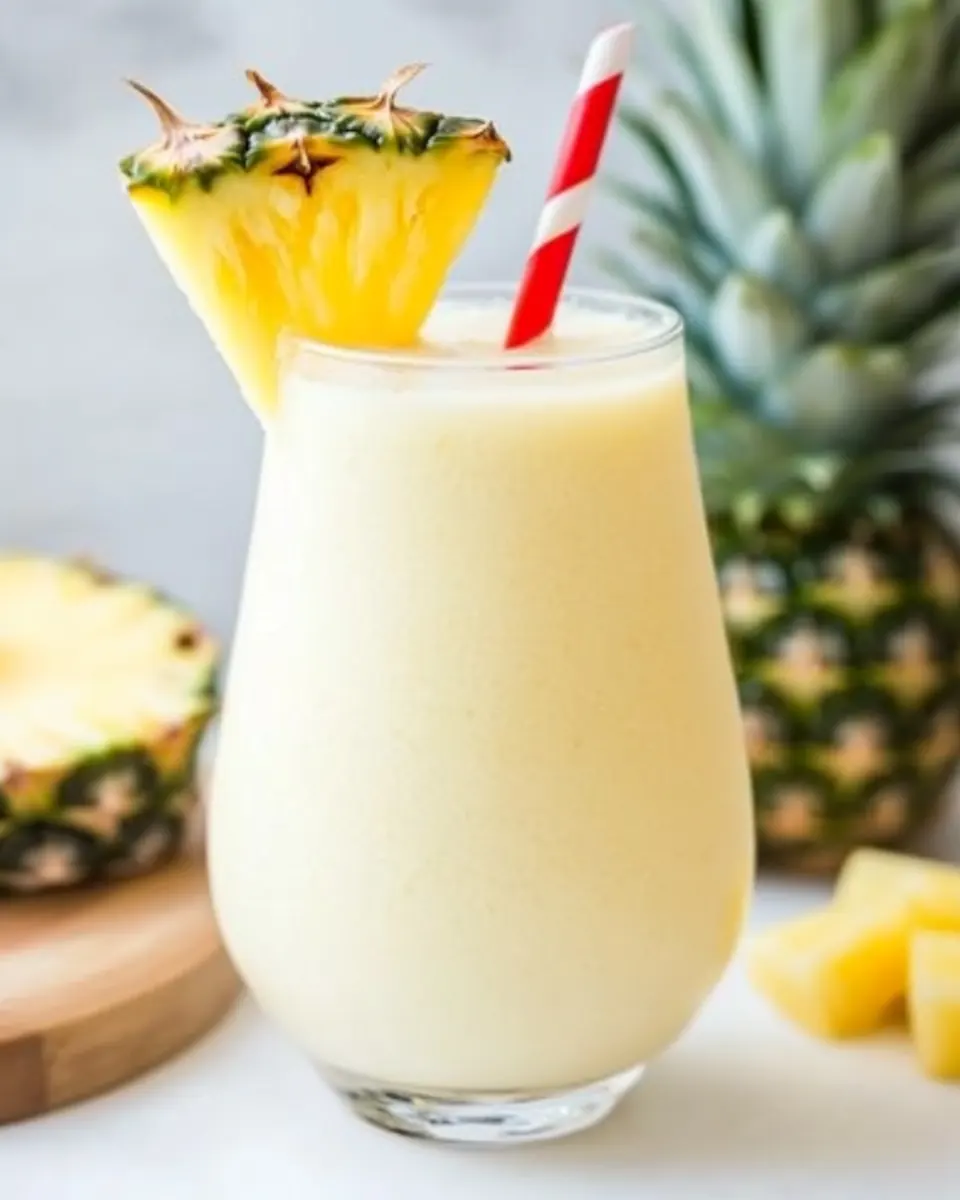
Pineapple Protein Smoothie is a creamy, fruity blend that wakes up the palate with tangy pineapple and smooth vanilla protein powder. Easy to make for busy mornings or post workout refuels, it balances bright flavor with sustaining protein. Use almond milk or coconut water for different textures and electrolytes, making it a perfect quick nourishment option to keep you going.
Prep Time 5 minutes
Cook Time 5 minutes
Total Time 10 minutes
Servings: 2 Servings
Course: Breakfast
Cuisine: American
Calories: 250

Ingredients
  

  • 1 cup liquid of your choice almond milk, water, coconut water, soy milk Choose a liquid to control texture and flavor; provides the base for blending and thins the smoothie to desired consistency. Use almond milk or coconut water for creaminess and subtle sweetness, water for a lighter option, or soy milk for added protein. Adjust quantity to achieve pourable or thick smoothie depending on preference and blender strength.
  • 1 serving vanilla protein powder Enhance flavor and boost protein content with a vanilla protein powder; binds ingredients and increases satiety. Select a powder that suits dietary needs (whey, plant-based, or soy) and check sweetness level to avoid over-sugaring the smoothie. Scoop according to package serving to reach targeted protein intake per serving.
  • 1 cup diced pineapple Add diced pineapple to supply natural sweetness, bright tropical flavor, and vitamin C; contributes texture and moisture. Use fresh or thawed frozen pineapple for optimal blending and a refreshing tang that balances the vanilla protein. Cut into uniform pieces to ensure even blending and avoid large chunks.
  • 1/2 banana optional Include banana optionally to add creaminess, natural sweetness, and potassium; smooths texture and helps emulsify the mixture. Use half a banana for a subtle boost without overpowering the pineapple flavor, and prefer ripe fruit for maximum sweetness and easier blending. Slice before adding to speed up processing in the blender.
  • 1 tablespoon chia seeds optional Sprinkle chia seeds optionally to thicken the smoothie slightly, add fiber, omega-3s, and a nutritional boost. Allow seeds to sit briefly in the liquid if you prefer a more gelled texture, or add directly for tiny crunchy specks. Measure a tablespoon to enhance mouthfeel and increase feeling of fullness without altering flavor much.
  • 2 cups ice more if you like it frothy Add ice to chill and froth the smoothie while diluting slightly for a refreshing temperature and texture. Use crushed or cubed ice depending on desired frothiness, and increase quantity for a thicker, slushier result. Ensure blender can handle ice to avoid motor strain and achieve a smooth, icy consistency.

Equipment

  • Blender

Method
 

  1. Put all ingredients in a blender and pulse until you reach your desired consistency. Add more ice if needed.: The first thing you notice is the aroma of pineapple as the blades rupture the fruit, a bright tropical scent that signals freshness. You will hear a changing sound from heavy thumps of whole ice to a smooth, steady whir as the mixture homogenizes. The visual cue is a uniformly colored liquid with no large fruit chunks, and the texture should look glossy rather than grainy. This technique ensures the protein powder disperses evenly so you do not end up with gritty pockets, and pulsing helps break down large ice shards for a frothier mouthfeel. A common mistake is overfilling the blender, which can prevent proper circulation and leave unblended pieces, so make sure there is room for motion. If the mixture seems too thick to move, stop and stir with a spatula or add a splash of your chosen liquid to help it along.
  2. Add more ice if needed: Immediately after the initial blend, assess the texture by tilting the container and listening for a steady whir. If you want a thicker, smoothie bowl style result, add more ice or a few frozen cubes and blend in short bursts. Each additional handful of ice changes the tactile impression, moving from silky to slushy, and it also cools the drink significantly which sharpens the pineapple flavor. Why this matters, I have found, is that colder temperatures mute sweetness and highlight acidity, so adding ice can balance an overly sweet scoop of protein powder . Watch for one common issue, which is adding too much ice at once and causing the blender to bog down, producing chunky, uneven texture. To avoid that, add ice gradually and pulse until integrated.

Notes

  • Switch your base: Try almond milk for a light nutty flavor, coconut water for electrolytes, or soy milk for extra protein and creaminess.
  • Adjust sweetness: If the smoothie tastes too sweet, reduce the amount of vanilla protein powder or use plain water as your liquid.
  • Boost texture: Add a half banana for silkiness, or increase ice for a slushier feel.
  • Increase fiber: Stir in wet chia seeds beforehand so they soften, giving body without a seedy mouthfeel.
  • Use frozen fruit strategically: Frozen pineapple reduces the need for extra ice and yields a thicker, colder drink.
  • Make it a bowl: Blend thicker with less liquid and top with sliced banana and a sprinkle of chia for a spoonable treat.