Line an 8 x 8-inch tray with parchment paper and set aside.: The surface should feel smooth and the parchment should sit flat without folds, so when you press the mixture it will form a neat rectangle with clean edges. You'll notice the parchment has a slight paper scent and a matte finish, which helps the bars release easily. If the tray is cold, the mixture will cool a touch faster when pressed. Avoid skipping the parchment because direct contact can make removal difficult and may cause sticking, especially around the corners.
In a large mixing bowl, mix the cereal with protein powder until combined.: You will hear a soft rustle as the handfuls of cereal meet the powder, and the mixture will look uniformly pale and slightly powdery. This step ensures the protein powder distributes evenly so each bite tastes consistent. Use a wide bowl to avoid spilling, and gently fold rather than vigorously stir to keep the cereal intact. A common mistake is overworking this stage, which crushes the cereal and makes the bars dense instead of airy.
In the microwave or stovetop, melt the nut butter with brown rice syrup and pour the mixture into the protein cereal mix and stir until just combined. Avoid overmixing to prevent crushing the cereal.: As the peanut butter warms, it loosens and turns glossy, and the brown rice syrup flows into it creating a shiny amber ribbon when stirred. Pouring the warm binder over the dry mix releases a nutty, toasty aroma that signals fullness of flavor. Stir gently until you see the cereal coated in a sheen of binder, stopping while some pockets of uncovered cereal remain to avoid sogginess. Overmixing here can crush pieces and cause a gummy final texture, so err on the side of slightly undermixed then press firmly in the tray to finish the job.
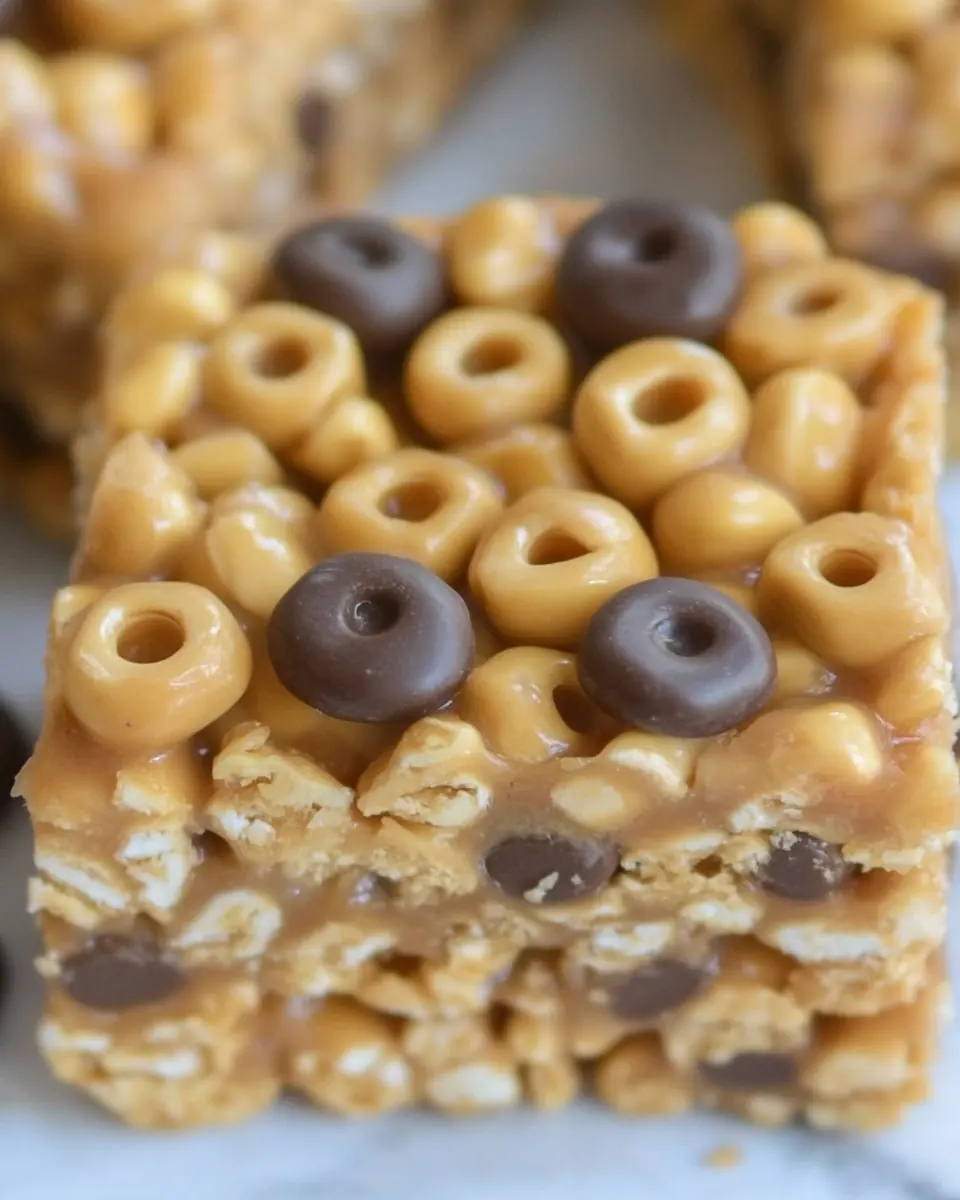
Transfer the cereal bar mixture into the lined baking tray and press firmly into place. Top with chocolate chips if desired and refrigerate for at least 30 minutes to firm up. Alternatively, freeze for 10-15 minutes. Using a sharp knife, slice into bars.: When the mixture is combined, you will feel a tactile difference between a loose, grainy mix and a cohesive mass that holds together when pinched. This caution matters because preserving some crispness gives the bars their character. If you mash too aggressively the bars will compact, losing lift and becoming heavy. If the binder seems too thin, a short rest of a few minutes lets the protein powder absorb moisture and thicken the mix; rushing can lead to bars that do not set well.
Transfer the cereal bar mixture into the lined baking tray and press firmly into place.: Pressing transforms the loose mixture into a compact slab where crumbs bind to each other; the surface should feel smooth and slightly tacky under your palm. Use a flat-bottomed measuring cup or the back of a spoon to apply even pressure so the bars slice cleanly later. You may hear soft compressing noises and see the mixture settle into the corners. A frequent error is pressing unevenly, which creates thin edges that dry out, so aim for consistent thickness across the tray.
Top with chocolate chips if desired and refrigerate for at least 30 minutes to firm up.: If you sprinkle chocolate chips , they will cling to the tacky surface and melt slightly if the mixture is warm, creating tiny glossy pockets. Refrigeration chills the binder so the bars hold a clean cut and a satisfying chew, and you will notice the sheen dull as the bars firm. Freezing for a short time speeds this up, but overly long freezing can make the texture too hard. A common oversight is slicing before fully chilled, which causes crumbling and ragged edges.
Alternatively, freeze for 10 to 15 minutes.: Sliding the tray into the freezer produces a quick, solid set where the binder snaps slightly when cut, offering a firmer bite that some prefer. You will feel the cold bite when pressing and see condensation if moved to room temperature too soon. Thaw briefly before slicing to avoid cracking the bars. Avoid leaving them overnight in the freezer, unless you want an extra hard texture that requires longer thawing.
Using a sharp knife, slice into bars.: A sharp knife will glide through with a clean sound and minimal pressure, revealing tidy edges and a cross section of cereal pockets held by the binder. Wiping the blade between cuts prevents dragging crumbs and keeps each slice neat. If slices crumble, the bars likely needed more chill time; return them to the fridge briefly and try again. Dull knives or sawing motions are common mistakes that produce ragged bars and lost presentation.