Go Back
Protein Donuts

Protein Donuts

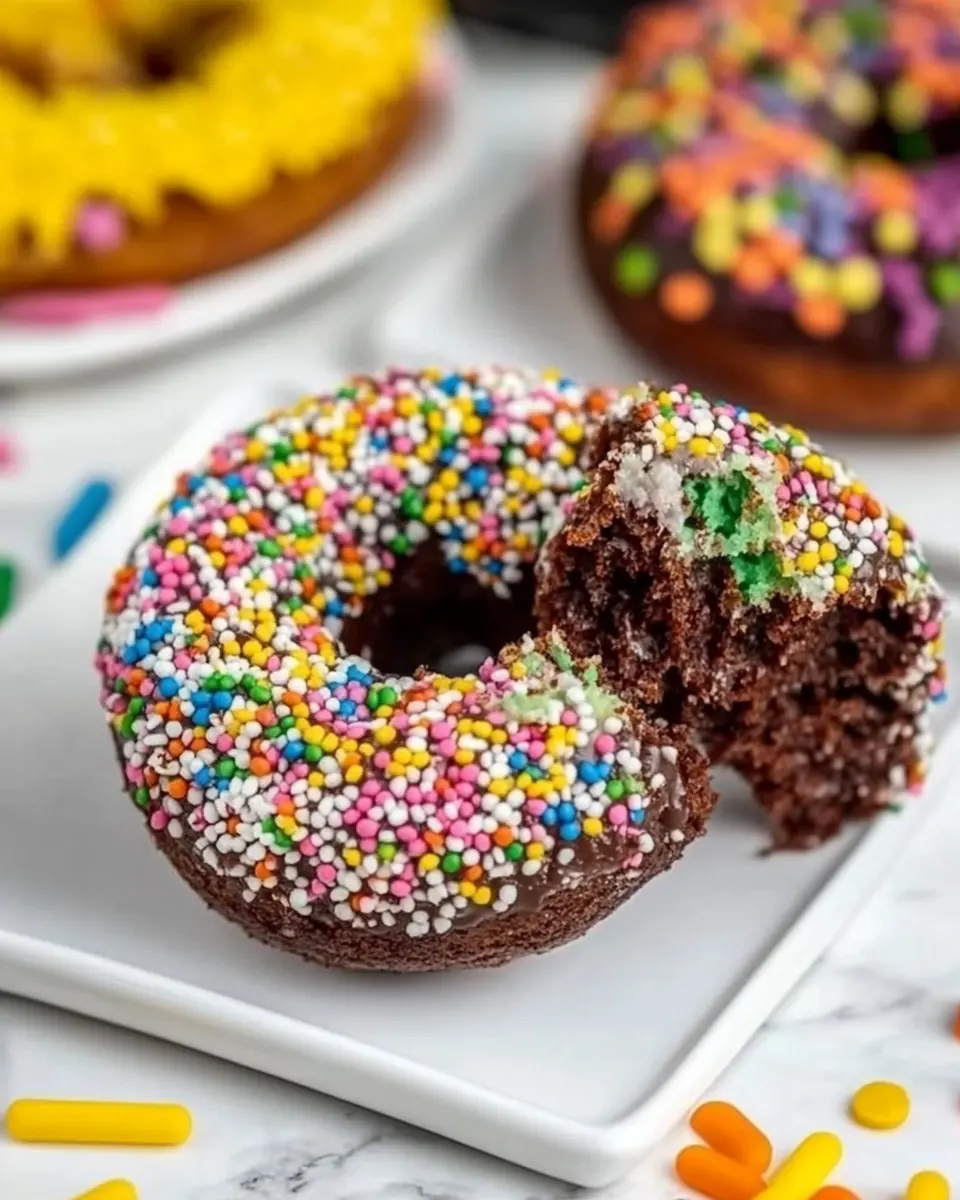
Protein Donuts are an easy chocolatey treat that balances tender crumb with a glossy chocolate glaze. These donuts are slightly spongy, subtly sweet, and protein boosted, making them ideal for an easy weeknight dessert or post workout snack. They bake quickly and store well, so they are perfect for meal prep or sharing with friends.
Prep Time 5 minutes
Cook Time 15 minutes
Total Time 20 minutes
Servings: 12 donuts
Course: Breakfast
Cuisine: American
Calories: 150

Ingredients
  

  • 1/4 cup protein powder I used chocolate plant based Adds concentrated protein and chocolate flavor while improving the nutritional profile; helps increase satiety in the batter and slightly alters texture, often producing a denser crumb. Use to boost protein content and complement cocoa for a richer taste.
  • 1 1/4 cups self-rising flour Provides structure and leavening since self-rising flour already contains baking powder and salt; creates the bulk of the donut matrix and helps trap air for lightness. Measure accurately to maintain proper rise and avoid heavy or gummy results.
  • 1/3 cup cocoa powder Contributes deep chocolate flavor and color while adding dry solids that absorb moisture; balances sweetness and intensifies the overall cocoa profile. Sift to prevent lumps and ensure even distribution in the batter.
  • 3/4 cup granulated sweetener of choice Sweetens the batter without traditional sugar and can affect moisture and browning depending on type; helps balance bitter cocoa and rounds out flavor. Adjust amount for desired sweetness and consider how it interacts with liquid ingredients.
  • 6 tablespoons unflower oil any neutral flavored oil Adds fat for tenderness, moisture, and richness while aiding in crumb softness and frying or baking performance; choose a neutral oil to let chocolate flavors shine. Measure in tablespoons for consistent fat content across batches.
  • 1 cup + 2 tablespoons milk of choice I used unsweetened almond milk * See notes Provides the liquid needed to hydrate dry ingredients and create a pourable batter; contributes minor flavor depending on choice and affects final texture and density. Warm slightly if using plant-based proteins to help dissolve powders smoothly.
  • 3 cups powdered sugar substitute Forms the base of a glaze or coating by supplying bulk sweetness with minimal calories; when combined with cocoa and milk it creates a smooth, thick icing that sets on cooling. Use sifted powdered substitute to avoid graininess and achieve silky texture.
  • 1/3 cup cocoa powder Enhances the glaze with intense chocolate flavor and color when mixed into the powdered sugar substitute; helps create a balanced, chocolatey finishing layer on the donuts. Whisk thoroughly to dissolve and prevent lumps in the icing.
  • 1/4 cup milk of choice Adjusts glaze consistency and helps dissolve powdered sugar substitute to form a smooth icing; contributes subtle dairy or plant-based notes depending on selection. Add gradually until desired spreadable thickness is reached.

Equipment

  • Donut pan
  • Mixing Bowl
  • Whisk
  • Ziplog bag
  • Wire Rack

Method
 

  1. Preheat the oven to 180 C/350 F. Grease a 12-count donut pan with cooking spray and set aside.: As you warm the oven you'll notice a dry, warming scent build in the kitchen, which signals the appliance is steady and ready. Setting the pan aside after greasing prevents sticky sides and promotes clean release, which preserves the donut shape. If the oven is cooler than expected, donuts sink in the center, so an oven thermometer is helpful. A common misstep is skipping pan prep, which causes tearing when unmolding, so be generous with spray or lightly oil the cavity edges.
  2. In a large mixing bowl, add your dry ingredients and mix well. Then, add your wet ingredients, and mix until a thick batter remains. If it is too thick, add extra milk.: Start by whisking the dry mixture until the cocoa and protein powder are evenly distributed, leaving a uniform dark tone and no streaks. When you combine wet ingredients, you'll hear a quiet swoosh and see the batter transform from grainy to glossy, thick but pourable. This stage determines crumb tenderness, so avoid overmixing which tightens gluten and causes chewiness. If the batter feels stiff, add milk a tablespoon at a time; batter that is too loose will collapse during bake, so err toward slightly thicker consistency.
  3. Transfer your batter into a ziplock bag. Cut one corner of it and distribute the batter evenly amongst the donut holes. Bake for 13-15 minutes, or until a skewer comes out clean.: Piping batter this way gives you control and creates neat donut rings. As donuts go into the oven you may smell chocolate begin to bloom and edges will set before centers, a subtle visual cue that the bake is progressing. Listen for a barely audible settling noise as steam leaves the donut, and watch for a slight rise and a matte surface. Inserting a skewer should return with a few moist crumbs but not wet batter. A common error is over filling which yields overflow, so fill just to the brim of each cavity.
  4. Let the donuts cool in the pan for 10 minutes, before carefully transferring to a wire rack to cool completely. Once cooled, glaze them.: Cooling in the pan helps the structure relax so the donuts keep their shape when you remove them. After about 10 minutes you should feel the donuts firm but still warm, releasing light steam. Moving them to a wire rack lets air circulate and prevents sogginess underneath. If you glaze too soon, the topping will slide off, so be patient until the surface is room temperature. A common mistake is forcing removal immediately, which causes breakage, so use a small offset spatula to ease them out if necessary.
  5. To make the glaze, combine the powdered sugar substitute with cocoa powder. Slowly add the milk until thick and glossy. Dip each donut in the glaze then place them on a wire rack for the glaze to firm up.: Whisk the powdered base and cocoa until the mix is free of lumps and smells faintly of toasted cocoa. Adding milk incrementally changes the texture from dust to silk, and the glossy shine indicates proper hydration. When you dip, you should hear a soft, wet slide and see an even coating that clings then drains gently. Place glazed donuts on a rack so excess can drip away, preventing puddles and ensuring a thin, shiny finish. If you overthin the glaze it will run off, so stop once it coats the back of a spoon and leaves a slow ribbon.
Notes

  • Adjusting batter thickness — If your batter becomes too thick because of an absorbent protein powder, add milk one tablespoon at a time until the dough flows easily from a bag into the pan. This prevents dense donuts and keeps the interior tender.
  • Swapping protein powder — When trying a different protein, note that plant based powders often absorb more liquid than whey. If you change powders, expect to add extra milk and watch batter consistency to avoid dryness.
  • Choosing sweeteners — If you use granular sugar alternatives, pick one that measures like sugar for similar browning and structure. Liquid sweeteners change moisture levels, so reduce other liquids slightly if you substitute with syrup.
  • Oil alternatives — Any neutral flavored oil works, but if you pick a nut oil with stronger flavor, reduce added flavorings accordingly. The oil keeps donuts soft, so do not omit it entirely.
  • Temperature tweaks — Oven temperatures vary, so check donuts a minute or two earlier the first time you bake them. Look for a matte surface and tiny cracks at the edges as signs of doneness.
  • Freezing and thawing — To freeze, place sandwiches in a single layer to avoid glaze sticking. Thaw in the fridge overnight and bring to room temperature before serving to restore texture.