Place a large, deep loaf pan or deep pan in the freezer.: When you put the pan into the freezer you will feel the cold instantly if you touch it, and that initial chill helps the mixture begin to set quickly when transferred, promoting smaller ice crystals and smoother texture. I always choose a metal pan when possible because it chills faster than glass. One common mistake is using a shallow dish which can freeze too fast at the edges and leave the center soft, so use a deep pan for even setting. This step matters since a cold container reduces the time the mix spends in the temperature zone where large crystals form.
In a blender or food processor, add your coconut milk and blend until smooth and creamy. Add your protein powder and granulated sweetener or dates and blend until a thick and creamy texture remains.: As you blend the chilled coconut milk , watch for the motion to go from sluggish to silky, and listen for the motor tone to even out which indicates the cream has emulsified. The mixture should look uniformly pale and glossy, not separated or oily. This smoothness is essential because lumps of solidified coconut cream will create uneven pockets in the final ice cream. Avoid overblending to the point of heating the milk, as that can slightly alter texture and flavor.
Transfer the protein ice cream to the loaf pan. To prevent it from becoming too icy, lightly mix your ice cream every 20 minutes for the first hour, a total of three times.: When you add the protein powder and allulose or dates, blend just until the powder is fully incorporated and the mixture thickens. You should see the mix cling to the blender walls and hear a heavier, lower-pitched motor hum. This thicker body helps the frozen result feel dense and satisfying. A typical pitfall is blending too little which leaves grainy particles, or blending too long which can aerate the mixture too much, causing a lighter, icier texture once frozen.
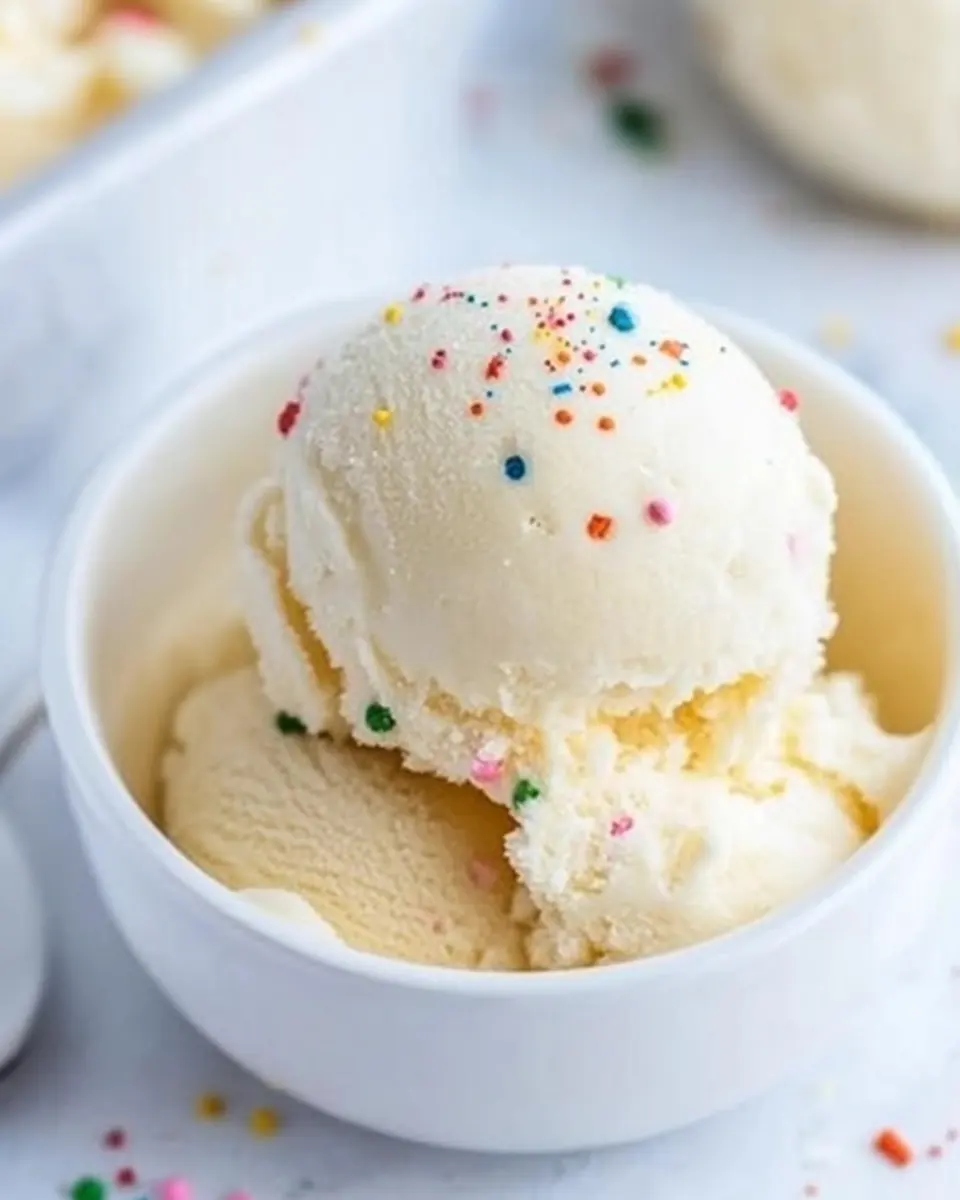
Thaw for 10-15 minutes before eating. Lightly wet an ice cream scoop before scooping the ice cream into a bowl.: As you pour, observe the glossy surface and the way the mixture settles into the corners of the pan. The transfer should be steady to avoid creating air pockets, which can cause uneven freezing. Using a spatula helps scrape down the blender and ensures no thick parts are left behind. A frequent oversight is filling a pan that was not fully chilled, which will slow initial freezing and promote larger crystals.
To enjoy it soft serve style, let it thaw to desired texture.: During these brief stirs you will hear a quiet scraping sound as you fold the partly frozen edges into the softer center, and you will notice the texture change from slushy to more homogenous. This manual agitation breaks up forming ice crystals, yielding creamier texture. I set a timer for each 20 minute interval to stay consistent. A mistake to avoid is vigorous stirring which can introduce too much air leading to a lighter consistency that may refreeze into a crumbly state.
Thaw for 10 to 15 minutes before eating.: When you remove the pan and let it rest, watch for the edges to soften slightly and for a sheen to form on the surface, cues that the ice cream is ready to scoop. A lightly wet ice cream scoop glides much easier than a dry one, and you will hear a satisfying scoop sound as the ice cream releases. Overwaiting can make it too soft and melty, while underwaiting makes scooping difficult and can compress the texture into dense clumps.
Lightly wet an ice cream scoop before scooping the ice cream into a bowl.: Dipping the scoop in water warms its surface, allowing cleaner, rounder scoops with less tearing of the ice cream structure. The sound here is important you want a clean, smooth scooping sound, not a scraping grind. Avoid pressing too hard when forming scoops as that compresses the ice cream, changing its lightness. This small technique improves presentation and eating experience significantly.
To enjoy it soft serve style, let it thaw to desired texture.: If you prefer softer, spoonable texture, let the pan sit at room temperature and check every few minutes. You will see the center loosen and become glossy before the edges. Soft serve texture highlights the creaminess of the coconut milk and allows flavors to bloom on the tongue. A common trap is leaving it too long which results in melting rather than soft serving, so monitor closely and transfer to bowls once the desired consistency appears.