Go Back
Pull Apart Scones with Grilled Nectarines

Pull Apart Scones with Grilled Nectarines

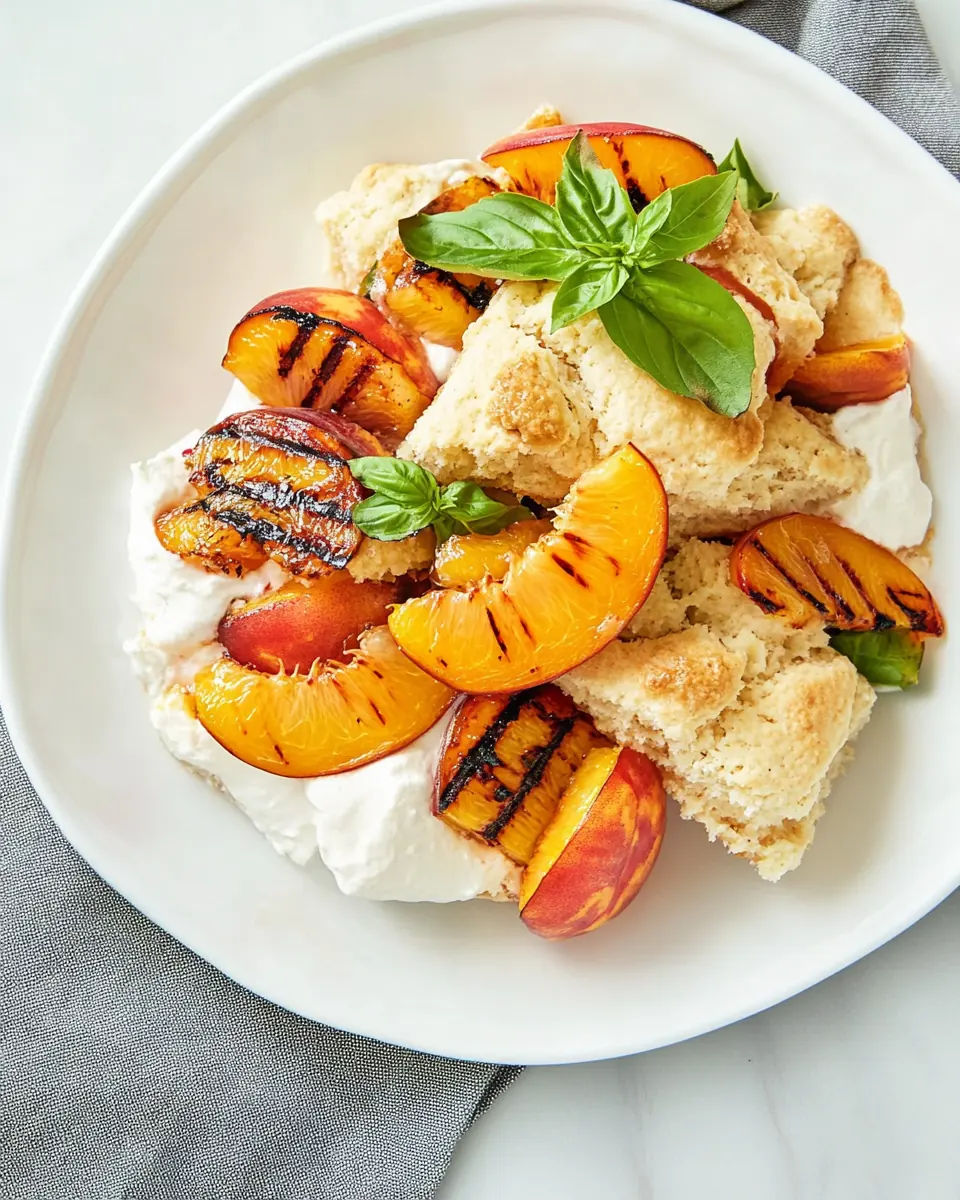
Pull Apart Scones with Grilled Nectarines are tender, flaky scones topped with smoky grilled nectarines and silky vanilla bean cream. The combination of warm pastry and caramelized fruit gives a luscious, slightly crisp contrast that works perfectly for an easy summer brunch or casual dessert. Try them for a memorable crowd pleasing treat that celebrates seasonal fruit and simple baking technique.
Prep Time 20 minutes
Cook Time 30 minutes
Total Time 50 minutes
Servings: 4 servings
Course: Desserts
Cuisine: American
Calories: 250

Ingredients
  

  • 1 tablespoon (14 grams) vegetable oil, plus more if needed Coat and prevent sticking when grilling nectarines; adds a neutral, high-heat fat that helps achieve caramelization without imparting strong flavors. Use sparingly to avoid greasiness and reapply if fruit begins to stick to the grill grates. Vegetable oil also helps distribute heat and promote even browning on the nectarine wedges.
  • 3 medium fresh nectarines (420 grams), cut into 6 wedges each Slice and provide juicy, sweet-tart fruit to be grilled and tucked between scone pieces; nectarines contribute moisture, natural sugars for caramelization, and a bright seasonal flavor. Cutting into uniform wedges ensures even cooking and manageable portions when assembling the pull-apart scones. Choose ripe but firm nectarines to hold shape during grilling and baking.
  • 2 cups (250 grams) all-purpose flour Form the structure and bulk of the scone dough; all-purpose flour provides gluten to bind ingredients while still allowing tender crumb. Measuring by weight improves consistency and texture, preventing overly dense or dry scones. Flour also absorbs liquids and interacts with leavening to create the pastry lift.
  • 1/4 cup (50 grams) granulated sugar Sweeten the dough and slightly tenderize the crumb by adding fine granulated sugar; contributes mild sweetness that balances the fruit and cream. Sugar also encourages browning on baked surfaces and can feed the yeast or react with leaveners for texture. Adjust quantity cautiously to maintain classic scone sweetness rather than cake-like sweetness.
  • 2 teaspoons (10 grams) baking powder Leaven and create lift in the dough; baking powder produces carbon dioxide that makes scones light and flaky during baking. Sifting or evenly distributing the powder prevents uneven rising and bitter pockets. Use fresh baking powder for reliable rise and consistent texture.
  • 1/2 teaspoon (1.5 grams) kosher salt Season and enhance overall flavor while controlling the savory-sweet balance; kosher salt amplifies other flavors and supports proper dough structure. Dissolve or evenly mix into dry ingredients to avoid concentrated salty spots. Salt also moderates sweetness and promotes better browning.
  • 1/4 teaspoon ground ginger Add warm, aromatic spice for bright, slightly zesty notes that pair well with stone fruit and cream; ground ginger lends a subtle heat and depth. Sprinkle into the dry mix to distribute flavor throughout the dough and complement the nectarine's sweetness. Use sparingly to avoid overpowering delicate flavors.
  • 1/4 teaspoon ground nutmeg Provide warm, nutty, slightly sweet spice that adds autumnal complexity to the scones and pairs with nectarines; ground nutmeg enhances aroma without overwhelming. Blend into the dry ingredients so the spice infuses every bite evenly. Freshly ground nutmeg yields a cleaner, more vibrant flavor.
  • 1/4 cup (57 grams) cold Kerrygold Unsalted Butter, cubed Cut in cold, unsalted butter to create layered flakiness and tender pockets within the scone dough; cold cubed butter melts during baking, forming steam that lifts and separates layers. Using unsalted butter lets you control overall salt level, while Kerrygold contributes a rich, creamy butter flavor. Keep butter cold to ensure proper texture and avoid overmixing to maintain flakiness.
  • 3/4 cup (180 grams) cold heavy whipping cream Bind the dough and add richness while contributing to tender, moist crumb; cold heavy whipping cream hydrates the flour and reacts with baking powder to produce lift. Using cold cream helps keep butter solid until baking, preserving flaky layers, and also adds a luxurious mouthfeel. Reserve a touch for brushing tops if desired to promote golden color.
  • 1 teaspoon (6 grams) vanilla bean paste Enhance fragrance and add concentrated vanilla flavor concentrated in small quantity; vanilla bean paste delivers specks of vanilla and a robust aroma that complements fruit and cream. Stir into wet ingredients to evenly distribute flavor throughout the dough and the cream component. Paste offers a more intense vanilla presence than extract.
  • Vanilla Bean Cream (recipe follows) Provide a rich, silky accompaniment that complements the grilled nectarines and pull-apart scones; Vanilla Bean Cream adds moisture, sweetness, and a creamy counterpoint to the warm fruit. Prepare following the recipe to achieve the right consistency for dipping or spooning between scone pieces, and chill briefly if needed to thicken. Use as both filling and a dessert sauce to elevate texture and flavor.
  • Garnish: fresh mint leaves Garnish with fresh herbaceous brightness and visual contrast; mint leaves add a cool, aromatic finish that complements sweet nectarines and creamy components. Arrange lightly on top or alongside plated servings to enhance presentation and aromatic appeal. Use fresh leaves to avoid wilting and to preserve crispness.

Equipment

  • Cast Iron Grill Pan
  • Baking Sheet
  • Parchment Paper
  • Large bowl
  • Pastry blender or forks
  • Bench scraper or thin-bladed knife
  • Wire Rack

Method
 

  1. Line 2 baking sheets with parchment paper.: The smell of parchment as you unroll it is faint and reassuring, and this small step prevents sticking while ensuring even baking. Using parchment also makes cleanup simple and helps maintain the bottoms of the scones from browning unevenly. A common slip is skipping this and trying to lift warm scones from a sticky pan, which often tears the crumb, so don t skip the lining. Place the sheets where they are easy to access so you can transfer the fruit and dough without juggling hot items.
  2. Preheat a cast-iron grill pan over medium-high heat. Brush grill pan with vegetable oil. Working in batches, add nectarines to pan, and cook until grill marks form, 3 to 5 minutes per side, oiling pan as needed. Transfer to a prepared baking sheet, and let cool completely.: You will hear a clear sizzle when the nectarines hit the hot pan, and that sound tells you sugars are caramelizing. The visual cue is the deep, parallel grill marks and slightly softened flesh. Cooking in batches prevents overcrowding which would steam rather than sear the fruit, and lightly oiling the pan keeps edges from burning. A frequent mistake is using too high heat, which chars the outside before the interior softens. Let the fruit cool fully so juices set, otherwise the scones can become soggy when topped.
  3. In a large bowl, whisk together flour, sugar, baking powder, salt, ginger, and nutmeg. Using a pastry blender or 2 forks, cut in cold butter until mixture resembles coarse crumbs.: As you whisk the dry flour and spices together, you should notice a warm scent from the ginger and nutmeg , hinting at the finished flavor. Cutting in the cold butter creates pea sized bits that will puff and leave layers as they melt during baking. If the mixture looks too powdery, that usually means the butter was too small or too warm, which can lead to dense scones, so chill briefly and try again. The texture you want is irregular crumbs, not a uniform paste, which will signal proper separation of fat and flour.
  4. In a small bowl, stir together cold cream and vanilla bean paste. Gradually add cream mixture to flour mixture, stirring with a fork just until dry ingredients are moistened. (Dough will be quite crumbly or shaggy in parts.): When you fold the cold cream and aromatic vanilla bean paste in, you should see the dough come together in patches, with some dry bits still visible. This shaggy look is intentional because overmixing breaks down the butter pockets you worked to create. The mixture should feel cool and slightly tacky, not sticky or wet. A common error is adding all the liquid at once, which can make the dough too soft and hard to shape, so add gradually and stop when most pieces hold together.
  5. Turn out dough onto a clean surface; gently knead until dough comes together, 8 to 10 times. On a very lightly floured surface, shape dough into a smooth 7-inch disk (about 1 inch thick). Using a bench scraper or a thin-bladed knife, cut into 6 wedges, and place 1/2 inch apart in a circle on remaining prepared pan. Freeze until firm, about 15 minutes.: The act of gentle kneading smooths and unifies the shaggy dough without melting your butter . You should feel slight resistance as the dough binds, and the surface becomes cohesive and slightly cool to the touch. Shaping into a 7 inch disk ensures even baking and yields the right thickness for tender interior crumb. Cutting into wedges and arranging them in a circle creates the pull apart structure and a shared crust between pieces. Freezing firms the butter and helps maintain layers during the oven s heat. A pitfall is pressing too hard while shaping, which warms the dough and can lead to flat, dense results; keep your hands light and cool.
  6. Preheat oven to 375°F (190°C).: Before sliding the pan in, preheating to a steady temperature ensures the scones begin rising immediately and the outer crust sets properly. You may notice the oven light warming the air and the thermostat cycling; that even heat is what produces a golden exterior. Avoid opening the oven repeatedly during the first half of baking, as that can cause temperature drops and uneven rise.
  7. Bake until lightly golden and a wooden pick inserted in center comes out clean, 25 to 30 minutes. Let cool on pan for 5 minutes. Remove from pan, and let cool completely on a wire rack.: During baking you ll see the edges turn a soft golden color and smell a warm, buttery aroma from the butter and sugar . The internal steam from the melting fat creates lift and the centers set so a wooden pick comes out clean. Resting on the pan for five minutes lets the structure stabilize so the scones can be moved to a wire rack without tearing. Removing them too early often results in collapsed centers or crumbs that just fall apart, so give them that brief pause before transferring.
  8. Place scones on serving platter, and top with Vanilla Bean Cream and grilled nectarines. Garnish with mint, if desired. Serve immediately.: The final assembly is sensory rich: the cool, silky Vanilla Bean Cream against warm, tender scone, and the caramel notes from grilled nectarines . Spoon a modest cloud of cream onto each wedge and arrange fruit so every piece gets a juicy bite. The aroma of fresh mint adds a crisp finish that lifts the plate. A common mistake is over topping, which can make serving messy; aim for balance so each bite still highlights the scone s texture.
Notes

  • Chill the dough: After shaping the disk and cutting wedges, freezing the arranged pieces for about 15 minutes firms the butter and ensures flakier layers when baking. This pause also makes slicing neater and helps maintain shape in the oven.
  • Choose nectarines that are ripe but firm: Overripe nectarines will collapse on the grill, while underripe ones will lack sweetness. Aim for fruit that yields slightly to pressure but still holds structure, so grilling concentrates flavor without turning to mush.
  • Use cold tools: If your kitchen is warm, chill the bowl and utensils briefly; this helps keep the butter cold while you cut it into the flour, which is crucial for layered texture.
  • Mind your oven door: Resist opening the oven in the first 20 minutes of baking. Scones respond best to steady heat, and interruptions can cause uneven rise or dense centers.
  • Serve promptly: While scones can be stored, these are best within hours of baking when the exterior is slightly crisp and the interior is tender. Warm briefly before serving if they cool completely.