Preheat oven to 350°. Line a 9 x 13 inch baking pan with non-stick foil or parchment paper and spray with non-stick cooking spray.: As the pan warms, you will notice a faint scent of heated air, signaling oven readiness, which is important for even rise and set. I always place the rack in the center so heat circulates evenly. A cold oven can slow rise and create a denser crumb, so wait until the temperature stabilizes before sliding the pan in. If your oven runs hot or cool, use an oven thermometer and adjust accordingly. Avoid opening the door during the first half of baking, because heat loss can collapse the cake.
In a bowl, with an electric mixer on medium speed, beat butter and 1 1/2 cups sugar until smooth. Beat in 2 eggs, pumpkin, 1 teaspoon of vanilla and 1/3 cup water until well blended, scraping down sides of bowl as needed.: Laying the foil or parchment smooth prevents batter from pooling and guarantees clean edges when removing the cake. I press the liner into corners and then spray lightly so the batter releases easily. If you skip this step, the cake may stick to the pan and tear when you lift it out. Ensure the spray is applied evenly to avoid oily patches that change browning.
In another bowl, mix flour, pumpkin pie spice, baking soda, baking powder, and salt; add the dry ingredients into the butter mixture until and combine until well blended. Spread batter evenly into the prepared pan.: You will see the mixture become glossy and slightly lighter, with a soft ribboning when the beater lifts. This aeration helps the cake feel lighter. I scrape down the bowl once so no pockets of unmixed butter remain. A common mistake is using butter that is too cold, which prevents smooth incorporation and leaves grainy bits in the batter.
In a bowl, with an electric mixer on medium speed, beat cream cheese, remaining egg, remaining 1/4 cup sugar, and remaining 1/2 teaspoon of vanilla until smooth.: At this stage, the batter will loosen and smell warmly spiced. The pumpkin introduces moisture, so the texture shifts from fluffy to smooth and thick. Scraping the sides ensures an even mixture, preventing streaks of butter or dry flour later. Overmixing can develop gluten and make the cake tough, so mix just until combined.
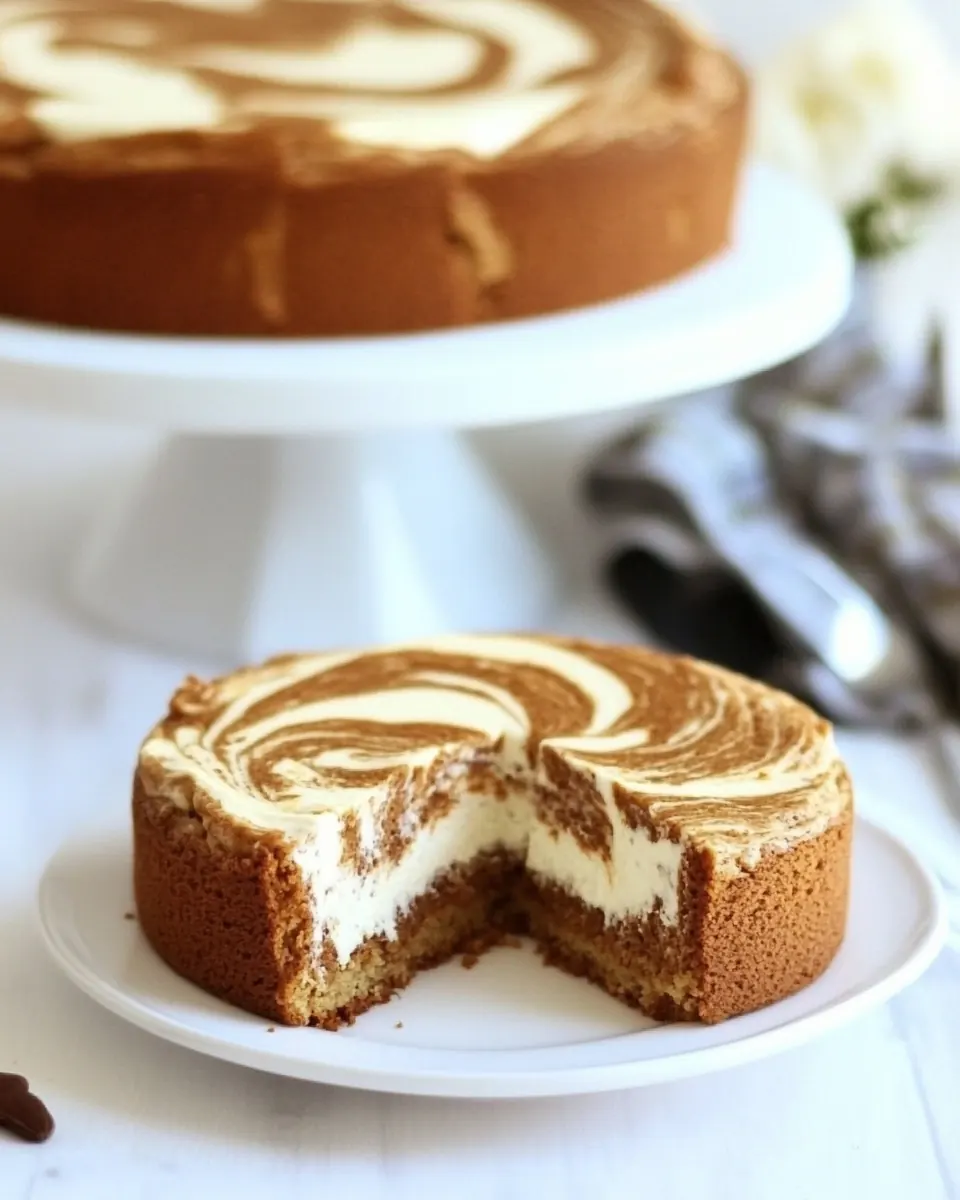
Drop cream cheese mixture in evenly spaced portions over the pumpkin batter. Pull a knife tip through filling to swirl slightly into batter.: Whisking these dry ingredients distributes the leaveners and spice evenly so pockets of baking soda do not create odd flavors. The flour will look pale and slightly scented from the spice. Sifting is optional but helps prevent lumps. A frequent error is dumping the dry into the wet without mixing first, which can lead to uneven distribution and strange pockets in the finished cake.
Bake in a 350° oven until center of the pumpkin batter (not cream cheese mixture) springs back when touched, about 30 minutes. Let cool completely in pan, then cut into 24 bars.: Once combined, the batter will be smooth, with visible ribbons of pumpkin and a gentle sheen. You should still see a soft, scoopable batter that spreads easily in the pan. Combining dry to wet carefully avoids over mixing, which would tense the crumb. If the batter appears gummy, it likely was overworked; stop mixing immediately to preserve tenderness.
Spread batter evenly into the prepared pan: Use an offset spatula or the back of a spoon to distribute the batter into corners and smooth the top. You want a uniform thickness so it bakes evenly and the cream cheese dollops create pretty swirls. If you leave deep valleys or high peaks, the cake will bake unevenly. Lightly tap the pan on the counter to release large air bubbles before adding the filling.
In a bowl, with an electric mixer on medium speed, beat cream cheese, remaining egg, remaining 1/4 cup sugar, and remaining 1/2 teaspoon of vanilla until smooth: The filling will transform into a glossy, silky mixture that spreads but still holds shape. Room temperature cream cheese is critical for a lump free texture and a smooth swirl. If the cream cheese is too cold, it will remain chunky and not incorporate well. Avoid overbeating at high speed, as that can whip in air and cause the filling to puff and crack during baking.
Drop cream cheese mixture in evenly spaced portions over the pumpkin batter: As you spoon the filling, listen for the soft plop as it lands and watch how it sits atop the batter. Arranging the dollops evenly helps create balanced swirls throughout the pan. If you cluster them, the swirl will be too dense in one area. Use a teaspoon or small ice cream scoop for consistent portions and spacing.
Pull a knife tip through filling to swirl slightly into batter: When you drag the knife, you will see the cream cheese thread into the pumpkin, creating marbled patterns. Make long, gentle motions rather than aggressive sawing to preserve the swirl without overblending. One mistake is over swirling which can blend the layers into a uniform color and lose the visual contrast. Clean the knife between passes if the mixture becomes sticky so the swirl stays defined.
Bake in a 350° oven until center of the pumpkin batter (not cream cheese mixture) springs back when touched, about 30 minutes: While baking, your kitchen will fill with spice and baked pumpkin aromas, and the edges will brown slightly. The center should feel set but yield slightly to touch, and a toothpick into the pumpkin portion should come out with moist crumbs, not wet batter. Overbaking will dry the cake, while underbaking leaves it gummy. If the cream cheese surface browns too quickly, tent loosely with foil to prevent over darkening.
Let cool completely in pan, then cut into 24 bars: Cooling allows the crumb to set and the swirl to firm slightly so the bars slice cleanly. You will notice the aroma mellow as it cools, and the texture becomes more cohesive. Cutting while warm can cause the bars to fall apart. Use a sharp knife and wipe it between cuts for neat edges.