Preheat oven to 325° F. Line an 8×8 square dish with parchment paper or foil and spray lightly with cooking spray. Set aside.: As you preheat to 325° F , notice the faint warmth that will eventually brown the shortbread gently. The ticking up of the oven and the smell of a warm, dry oven are cues that your bake will start evenly. Lining an 8×8 square dish with parchment or foil ensures you can lift the bars out cleanly, and a light spray prevents sticking. Press the parchment into the corners so the crust sits flat, which helps you press the dough evenly. A common mistake is not preheating long enough, which can alter bake time and lead to underbaked filling; wait until the oven reaches temperature before inserting the pan.
In a large bowl, combine all ingredients for shortbread until moist. Press evenly into bottom of prepared pan. Set aside.: When you mix the shortbread, the texture will change from crumbly to a cohesive, pliable mass that holds together when pressed. The aroma should be buttery and slightly sweet, and when you press the dough into the pan it should form a uniform layer without gaps. Use the heel of your hand or the bottom of a flat glass to compact the dough firmly so it bakes into a stable base. If the dough seems too crumbly, let the butter soften slightly and remix; overworking the dough can make it tough, so stop as soon as it binds.
In a different large bowl, whisk together ingredients for pumpkin filling. Stir until smooth.: As you whisk the filling, watch for a glossy, smooth batter with no visible lumps of pumpkin or pockets of dry flour . The scent will shift to warm spices, and the mixture should be slightly thick but pourable. Whisking aerates the filling slightly, which helps it set with a tender texture rather than collapsing. A frequent error is underwhisking, leaving small flour pockets that will bake into gritty specks; scrape the bowl sides and whisk until fully homogenous.
Pour over shortbread and smooth the top.: Pouring the pumpkin mixture over the prepared crust should create a smooth top layer that levels out easily. Use a spatula to coax the filling into corners and remove any air bubbles for even baking. The filling should spread without displacing the crust, and the color will be a cohesive warm orange. If the filling is too thin it may seep through gaps in the crust, so ensure the base is pressed tightly first; thin filling can also signal excess liquid, which will prolong baking time.
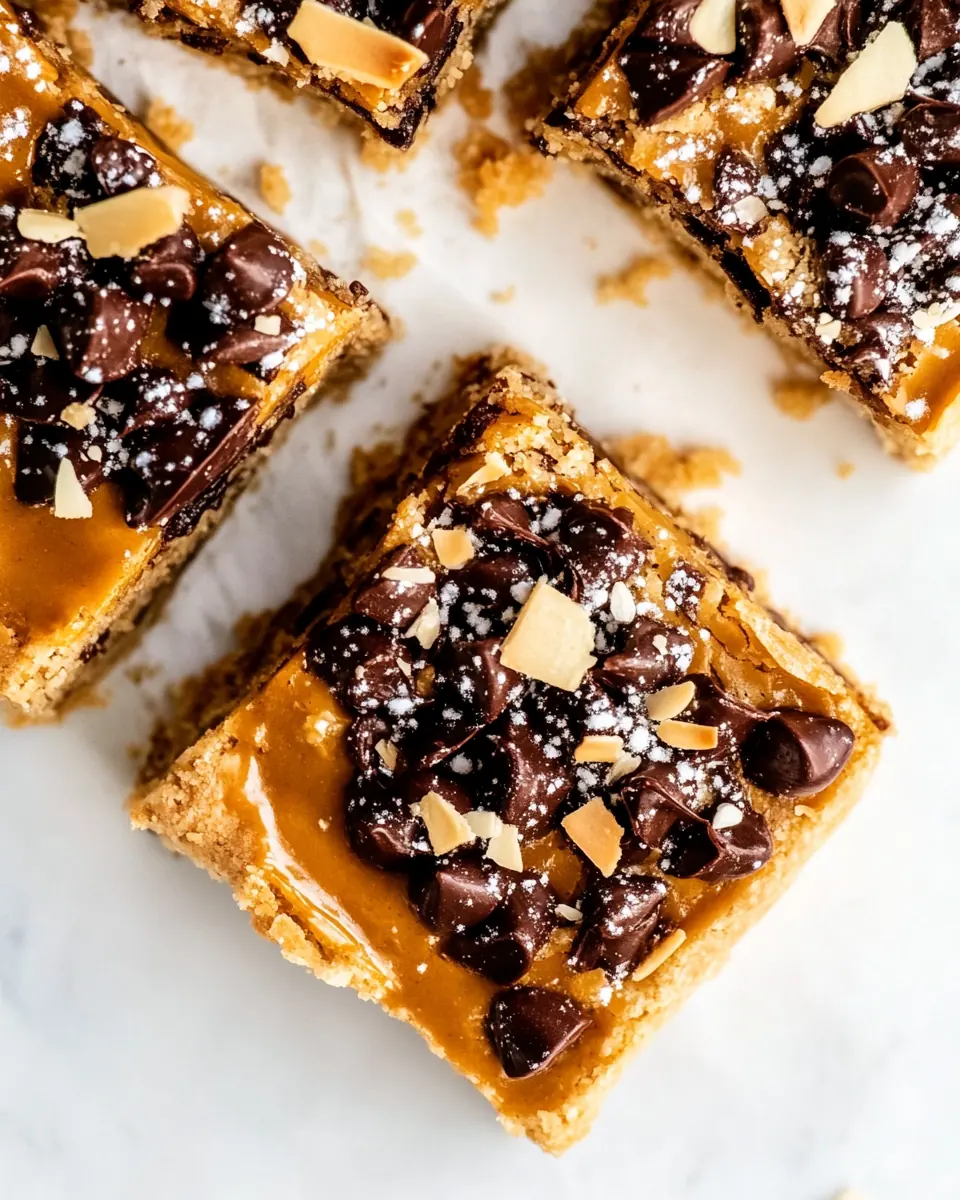
Sprinkle nuts and chocolate chips over top and press lightly into filling.: As you scatter the walnuts and chocolate chips , they will sit on the surface and sink slightly as the filling firms during baking, which creates an integrated texture. Toasted walnuts will release a nutty scent when broken and add a pleasant contrast to the smooth filling. Press them gently so they are anchored but not buried. Avoid piling too many toppings in one spot, which can create uneven baking and pockets of too much crunch in single bites.
Drizzle caramel sauce over top of entire dessert.: Drizzling the caramel sauce creates a glossy finish and a decadent sweet layer on top. The sauce should flow in thin ribbons, catching light and adding visual appeal. If the caramel is very thick, warm it slightly so it drizzles more easily; if it is too thin it may run into the crust edges. A common pitfall is overdrizzling, which makes slices difficult to separate cleanly and can cause caramel to pool along the pan edges.
Bake 45 minutes to an hour or until pumpkin filling has set.: During baking you will see the filling lose its glossy moisture and become firmer with a slight jiggle in the center, and the edges may pull away from the pan slightly. The top color will shift to a more muted tone and the aroma of spice will become stronger. Check doneness by gently touching the center; it should be set with a small wobble not liquid. Underbaking results in a runny center, while overbaking can dry the pumpkin layer out and make it crumbly, so aim for that gentle set.
Cool completely before removing. Cut into 16 equal squares and serve.: As the bars cool, the layers firm up and the caramel sets, allowing you to lift the block from the pan using the parchment or foil. The smell will mellow into a balanced blend of sweet, spiced, and toasty notes. Use a sharp knife to slice into 16 squares, wiping the blade between cuts for clean edges. A typical mistake is cutting warm bars, which will smear caramel and create ragged pieces, so allow sufficient cooling time for a neat presentation.