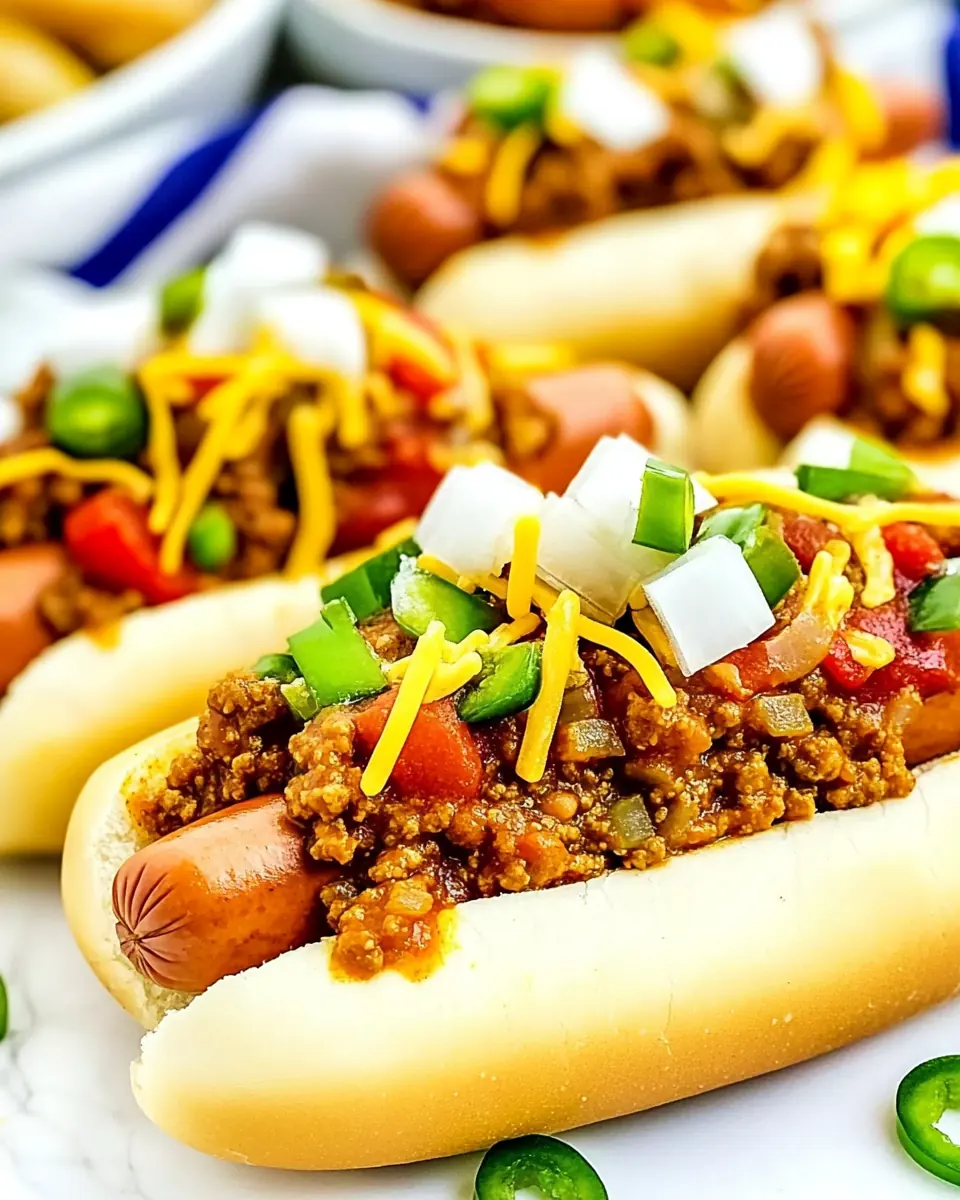
In a large skillet, cook ground chuck until browned. Drain fat. Add onion flakes and garlic. Cook until fragrant, 30 seconds. Stir in tomato sauce, chili powder, salt, pepper, and water. Bring to a boil.: The moment the ground chuck hits the hot pan you should hear an immediate sizzle that tells you the pan temperature is right. As the meat browns it will give off a deep, meaty aroma and little browned bits will form on the skillet surface, which is flavor gold. Use a sturdy spatula to break the meat into even pieces so it cooks uniformly, and avoid stirring constantly so the meat can develop that caramelized color. If you overcrowd the pan the meat will steam and you will lose that toasty complexity, so brown in batches if needed. Drain fat once a good amount of browning has occurred, leaving behind just enough to coat the pan for the next steps, because too much fat will make the chili greasy. A common mistake is rinsing the browned bits away; instead keep them in the pan to dissolve into the sauce for depth.
Cover and reduce heat. Simmer for 25 minutes, stirring occasionally.: After browning let the skillet rest for a moment so the rendered fat pools, then carefully pour off excess into a heatproof container or use a spoon to remove it. The skillet will smell richer and the surface will look less oily, which helps the subsequent aromatics sing rather than fry. Leaving too much fat results in a slick chili, while removing all of it can make the dish lean and less luxurious, so aim for a thin film to remain for coating. Be cautious handling hot fat to avoid spills and burns, and never pour it down the sink.
Place cooked hot dogs in buns. Top with chili, cheese, and green onions.: As soon as the fat is adjusted sprinkle in the dried minced onion flakes and add the crushed garlic . They will sizzle briefly and release a warm, savory perfume that signals their oils are blooming. Because dried onion hydrates quickly and garlic burns fast, keep these in the pan only about thirty seconds to preserve sweetness without bitterness. Stir constantly to prevent scorching, and if the pan seems too dry add a splash of the measured water to deglaze and lift the flavorful browned bits into the mixture. Overcooking this phase is a common error that results in bitter, acrid notes.
Cook until fragrant 30 seconds: During this short aromatic burst notice how the kitchen fills with savory, slightly sweet notes, and the texture of the meat starts to integrate with the rehydrating onion. The goal is a gentle aroma, not a toasted or charred scent. This tiny window is crucial for balancing the profile; letting it pass too long will darken the garlic and introduce an unpleasant edge. If you smell anything smoky and acrid, remove the pan from heat briefly and add a bit of water to cool it down before continuing.
Stir in tomato sauce chili powder salt pepper and water: Pour in the two cans of tomato sauce , sprinkle the chili powder , the measured salt and pepper , and add the water . As you stir the sauce will loosen and begin to steam, releasing a mingled aroma of tomato and spice that should smell inviting and balanced. Use a wooden spoon to scrape up any remaining fond so those browned bits dissolve into the sauce, creating a deeper flavor. The water is here to thin the sauce slightly so it can simmer into a cohesive chili; if you find it too watery later, simply simmer uncovered to reduce. A typical mistake is dumping in too much water at once which flattens the flavors.
Bring to a boil: Increase the heat until the surface of the sauce shows vigorous bubbling and the steam is fragrant and hot. The bubbling helps marry the seasonings into the tomato base, and you will see the chili change from a raw tomato scent to a richer, rounded aroma. Watch closely to prevent boiling over, and stir occasionally to maintain an even temperature. If your sauce scalds, lower the heat immediately and scrape the pan to reincorporate any stuck bits, because burnt notes will taint the whole batch.
Cover and reduce heat simmer for 25 minutes stirring occasionally: Once boiling, cover the skillet and lower the heat to a gentle simmer so the chili can concentrate slowly for about twenty five minutes. During this time the sauce will thicken, the spices will meld, and the meat will relax into the sauce, giving off a deep savory note. Stirring occasionally prevents sticking and ensures even cooking, and you should notice the color deepen to a rich red brown. If the chili becomes too thick, add a splash of water and continue simmering; if it is too thin, remove the lid for the last few minutes to reduce. A common misstep is not simmering long enough which leaves flavors underdeveloped.
Place cooked hot dogs in buns: While the chili simmers, warm your pre cooked hot dogs gently in a skillet or microwave until steaming and fragrant, then nestle each into a soft hot dog bun . The buns should be warm to the touch and slightly springy, which helps them hold up to saucy toppings. Toasting the inside of the bun very lightly in a dry pan adds texture and creates a small barrier against sogginess. Be careful not to overheat the hot dogs or they will split and lose juiciness.
Top with chili cheese and green onions: Spoon a generous ladle of the hot, bubbling chili over each hot dog , then pile on shredded cheddar cheese so it melts into the warm sauce. Finish with a scattering of chopped green onions for brightness and color contrast. The ideal finished dish will have steam rising, the cheese glossy and slightly stretched, and the onions adding a crisp pop. A frequent error is assembling too early and serving lukewarm; ensure everything is hot so the cheese melts properly and the flavors are vibrant.