Preheat the oven to 175°C/345° F, no fan.: You will notice a subtle warmth in the kitchen as the oven reaches temperature, and a consistent heat is crucial so the loaf rises evenly. Preheating ensures the batter begins setting right away when it goes in, creating that tender edge and structured rise. A common mistake is putting the loaf into an oven that is not fully up to temperature, which can cause uneven baking or a dense center, so wait until the oven reaches the full heat.
Line an 8 x 8 x 30 cm (3 x 3 x 12 inches) baking tin with parchment paper.: The paper provides a nonstick surface and helps lift the loaf cleanly after baking, and you will see the batter cling evenly to the sides when lined properly. Press the paper into the corners so it sits flat, which prevents the batter pooling at one side. Avoid using an undersized tin as it can cause overflow, or failing to line the pan, which risks sticking and tearing the crust when you remove it.
Mix the eggs with the sugar and vanilla essence until you have a thick, light-colored foam.: As you whisk the eggs and sugar , air is incorporated and the mixture will become pale and voluminous, creating a sweeter aroma. This foam traps air that expands in the oven, promoting a lighter crumb. If you rush this step or underbeat, the loaf may lack lift, so take a few extra minutes to reach that ribbon stage.
Add the yogurt, oil, lemon juice and zest and stir until the ingredients are folded in.: After adding the wet ingredients, the batter will smell bright from the lemon zest and carry a creamy tang from the Greek yogurt . Folding combines them without deflating the air you created, so use gentle strokes. A frequent error here is vigorous mixing which knocks out the aeration, resulting in a denser loaf.
Sift the dry ingredients: flour, salt and baking powder, and gradually add them to the mixture, folding them in with a spatula with wide top to bottom strokes.: flour, salt and baking powder, and gradually add them to the mixture, folding them in with a spatula with wide top to bottom strokes : Sifting ensures there are no lumps and lets the baking powder distribute evenly, giving a uniform rise. The batter will start to look smoother and slightly thicker as you fold in the flour . Overworking the batter at this stage develops gluten and can make the texture tough, so fold just until combined.
The mixture must not be runny, so do not overmix! Mix just until the ingredients are folded in and make sure there are no lumps of flour.: A proper batter has body, and when you lift the spatula it should fall in ribbons that hold slightly before blending back. You will hear less splashing and see a satiny surface. If the batter turns liquid or overly glossy, stop mixing immediately, because overmixing leads to a tight crumb.
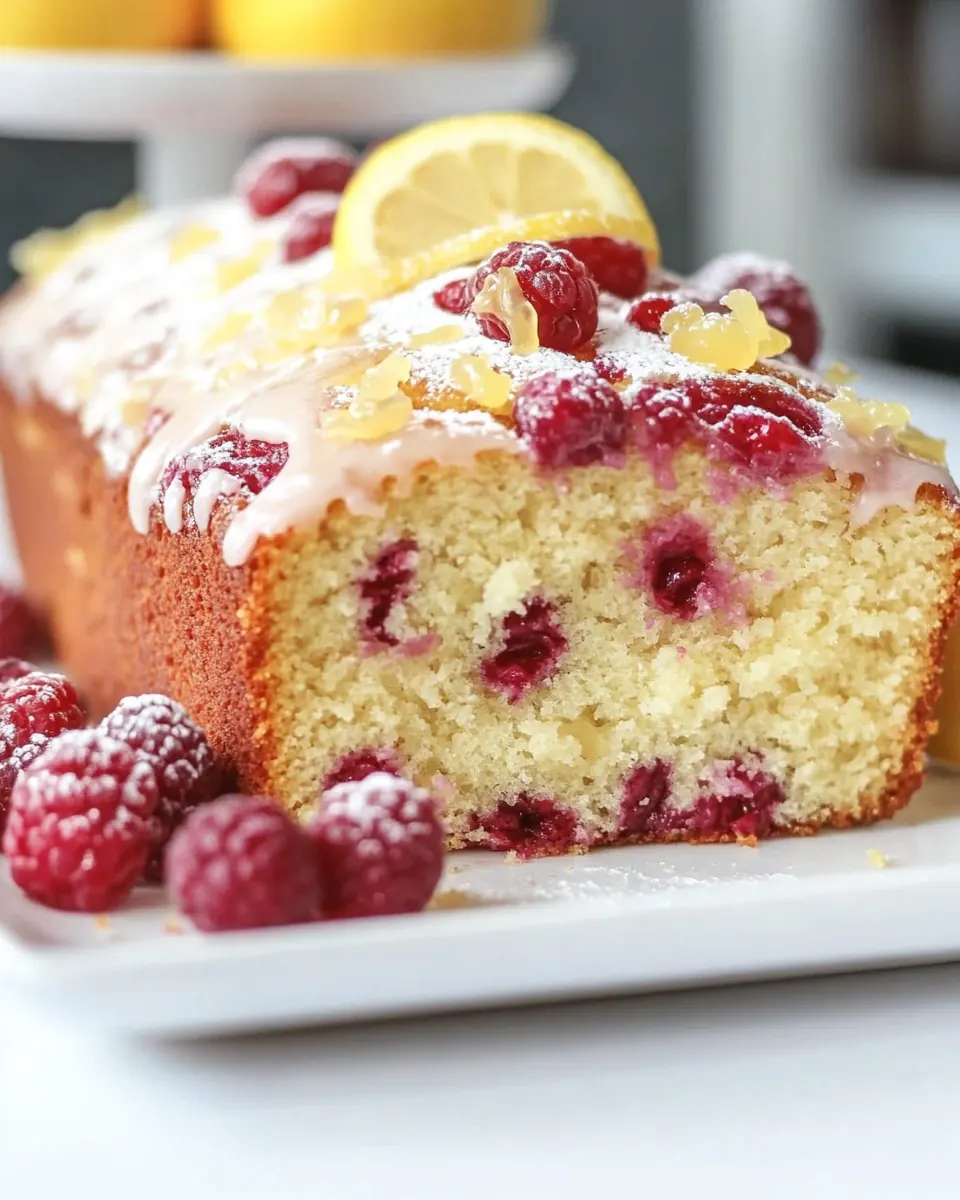
Add the raspberries to the mixture and fold in gently.: When you fold in the raspberries , they add bright color and small bursts of juice, and you will see tiny pockets of pink appear. Use soft strokes to keep berries intact, which gives you pleasant whole fruit bites rather than streaks through the batter. A common slip is to stir too vigorously, which crushes berries and discolors the batter.
Pour the mixture into the baking pan and bake for 50-55 minutes.: As the batter goes into the pan, it should settle evenly and fill the tin without overflowing. During baking you will notice the aroma deepen and edges starting to turn golden. The time window accounts for minor oven differences; begin checking near the lower end to avoid overbaking, as a dried loaf is the main risk here.
The cake is baked when a toothpick inserted in the center comes out clean.: When the toothpick comes out mostly clean, the crumb is set and the center is no longer wet, and you may see a gentle spring when you press the top lightly with a finger. If the toothpick has wet batter, give it more time and check again in minutes, because removing it too early leaves the interior undercooked.
Leave the cake in the pan to cool completely.: Cooling in the pan lets the crumb stabilize and prevents the loaf from collapsing, and you will notice steam condensing on the parchment as it cools. Patience here helps the glaze adhere later. A mistake is trying to glaze or slice while warm, which can cause the cake to crumble or the glaze to run off.
You can eat it as it is or sprinkle powdered sugar on top or pour a simple glaze of lemon juice mixed with powdered sugar over it.: Powdered sugar dusted over the top gives a gentle sweetness and an elegant look, while the lemon glaze adds shine and a zesty finish. The glaze will soak slightly into the crust and give a glossy sheen. Avoid applying a thick glaze while the loaf is still hot or it will melt away.
Mix the powdered sugar with the lemon juice. Pour over the cooled cake, then sprinkle with raspberry and grated lemon zest.: The glaze should be smooth and pourable, and as it hits the cooled loaf it will spread and settle into tiny crevices, adding sweetness and tang. Finish with extra raspberries and lemon zest for visual appeal and a burst of fresh flavor. Do not overdo the glaze, a thin layer is all you need for balance.