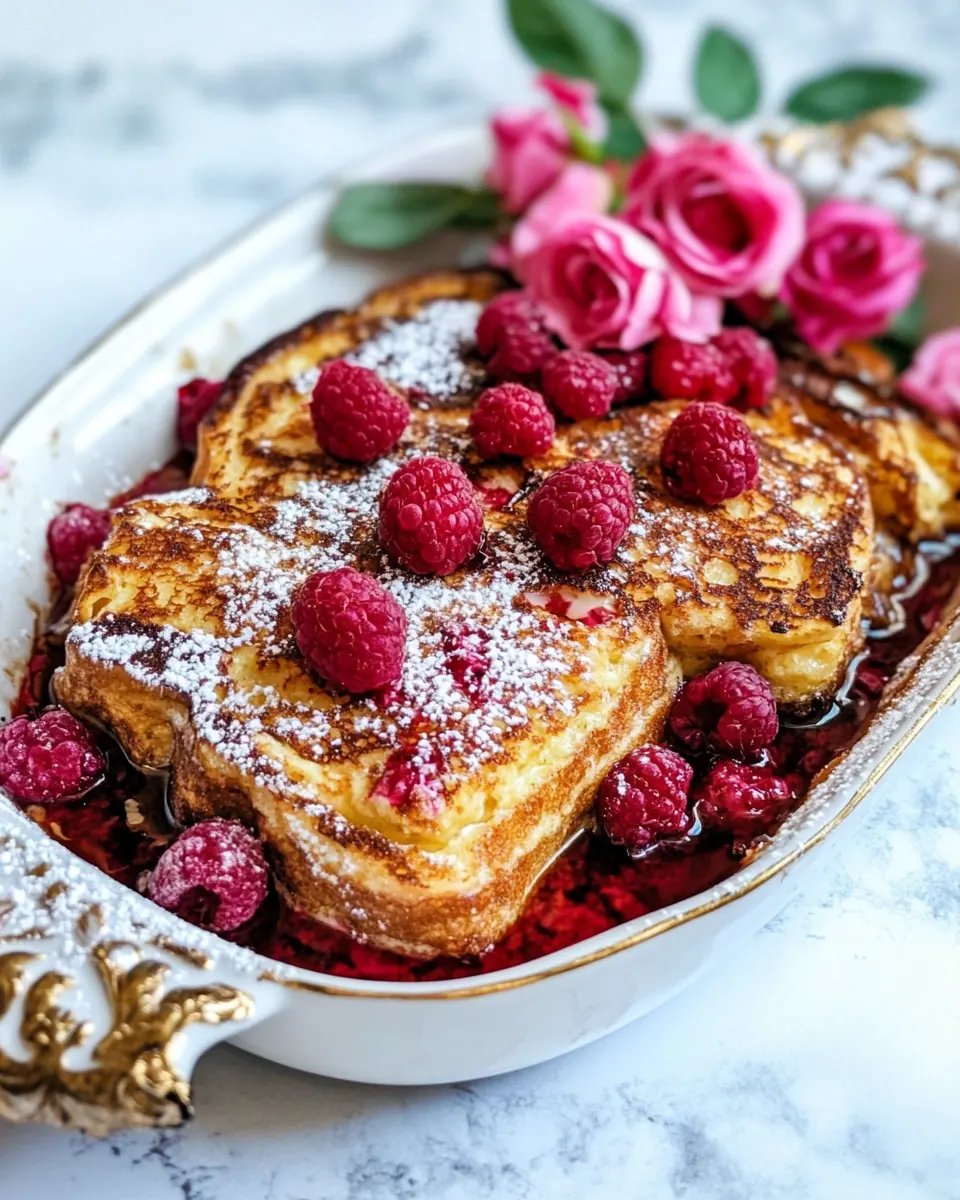
Grease a 9 x 13 inch-baking dish (I love any of the Fiesta baking dishes!).: You will notice the thin film of butter or oil glistening across the dish, which prevents the custard soaked challah bread from sticking as it bakes. The aroma of warmed fat will be subtle as you preheat, and the surface should look evenly coated rather than pooling. This step matters because it makes serving clean and ensures the bottoms crisp rather than tear. A common mistake is using too little coating, which can make removal messy, or too much, which pools and creates greasy spots. Take a paper towel and spread the coating evenly across the base and sides, feeling for any dry patches. If you hear a faint sizzle when the dish hits the warm oven, that indicates proper greasing and a good start.
In a large bowl, whisk together the eggs, egg yolks, coconut milk (or milk), honey, vanilla, rose water, cinnamon, nutmeg and salt.: As you whisk, the mixture should turn glossy and slightly thickened, with tiny bubbles forming on the surface from the incorporated air. The fragrance will bloom, starting with warm spices and progressing to the delicate rose and the sweet note of honey . This blending matters because it creates a uniform custard that soaks into the challah bread evenly. Avoid under mixing which can leave streaks of yolk, and avoid overbeating which can incorporate too much air and alter the texture. Use a whisk in circular motions until the ingredients are smoothly combined, and smell for an even balance of spices and floral notes to know it is ready.
Submerge each piece of challah bread in the egg mixture, allowing the bread to sit at least a minute and soak up the eggs. Arrange the dipped sliced of challah in the prepared baking dish. Pour the remaining egg mixture over the bread slices in the baking dish. Add half the raspberries in between the slices and on top.: You should see the challah bread darken as it absorbs the custard, the edges softening and the centers plumping slightly. The texture becomes sponge like and heavy to the touch, and when you lift a slice a ribbon of custard will drip slowly back into the bowl. This soak time is essential for a custardy interior, so resist the urge to rush. Place each slice snugly in the dish so the custard pools between pieces, and tuck some raspberries into those nooks so they will release little bursts of juice while baking. A frequent error is skimping on soak time which yields a drier center, so allow at least the minute per slice for full penetration. You will hear soft thuds as you set the pieces in the dish, and the visual cue is an even, saturated color across the bread.
In another medium bowl, combine the slivered almonds, coconut flakes and brown sugar. Add the butter and use your hands to incorporate the butter into the almonds + coconut. Sprinkle the mix overtop the bread slices. Sprinkle a handful of raspberries overtop.: The topping should feel crumbly with small butter pockets that will melt and toast in the oven, releasing a toasty, nutty aroma that mingles with baked fruit. As you rub the cold butter into the dry ingredients the mixture will clump slightly and become easier to scatter, and the brown sugar will lend a warming scent of caramel. This step provides crunchy contrast to the custard, so it is important for texture. A pitfall is overworking the topping until it becomes paste like, losing its ability to crisp. Scatter the mixture evenly, and top with additional raspberries so you get both stained ribbons of fruit and fresh pockets on top that blush under heat.
Cover and place in the fridge for 1 hour or overnight. When ready to bake, preheat the oven to 375 degrees F. Bake for 45-50 minutes or until the French toast is golden and crisp. If the tops of the bread begin to brown too quickly loosely cover the French toast with foil.: During refrigeration, the custard fully soaks and the flavors meld, so you will notice the bread becoming weighty and fragrant. When you slide it into a preheated 375 degrees F oven you will first get the sound of gentle bubbling as steam escapes and the aroma of warm spices evolving into deeper, caramel notes. Watch for the top to achieve a golden, slightly crisp finish without burning; that visual cue signals the right balance of set interior and toasted exterior. If you see rapid browning at the edges, drape a sheet of foil to slow the surface color while allowing the interior to finish cooking. A typical mistake is opening the oven frequently which can extend baking time and make the custard uneven, so keep checks brief and swift. When done, a toothpick pushed into the center should come out mostly clean with a few moist crumbs, and the top should give a faint crisp sound when tapped.