Preheat the oven to 400° F.: When the oven warms up, you will notice a faint dry warmth in the air that helps the beets roast evenly, encouraging sugars to caramelize, which deepens flavor. A common misstep is not waiting for full preheat, this can lead to uneven roasting. Be mindful to set the oven to the exact temperature, and preheating for at least 10 minutes ensures steady heat distribution.
Wash the beets and pat them dry. Chop them into 1/4”-1/2” slices and place on a large strip of foil. Fold the foil over the beets, creating a packet.: The tactile act of cleaning and slicing gives you the first visual hints about beet freshness, such as vibrant color and firm texture. When you wrap the beets in foil, you create a steamy environment that helps them soften without drying out, which yields tender, intensely flavored pieces. A frequent error is cutting too thin or too thick, which affects roasting time, so aim for consistent slices to ensure uniform cooking and to prevent some pieces from becoming mushy while others remain underdone.
Slice the top off a bulb of garlic, drizzle it with olive oil and add it to the foil wrap. Place the packet of beets and garlic on a baking sheet and roast 40-45 minutes or until juices are seeping out of the beets. Remove the packet from the oven and allow the beets and garlic to cool.: When the packet is hot and you open it, you should see fragrant steam and a glossy sheen on the beets, indicating caramelization and tender flesh. The roasted garlic will be soft and syrupy, and you can press cloves out of their skins easily. Letting them cool slightly makes handling safer and preserves the bright color of the beets. Avoid peeking too early, because opening the packet repeatedly lets heat escape and slows even cooking. If the beets are not tender to a fork after the listed time, continue roasting in five minute increments.
Add all the ingredients except the oil to a food processor. Process until smooth. While the food processor is running, drizzle the olive oil slowly through the top spout and continue to process until it's creamy. You may have to stop the food processor a few times and scrape the sides to get everything to blend together.: As you pulse the processor, watch for a thick, grainy mixture that begins to pull into a cohesive mass. The aroma at this point shifts from raw to roasted, with a mellow garlic scent and sweet beet notes. A common mistake is over processing at this stage without adding oil gradually, which can lead to a dry texture. If the mixture seems too stiff, pause and scrape down the sides to ensure even blending before proceeding with the oil. This ensures each spoonful will be uniformly creamy.
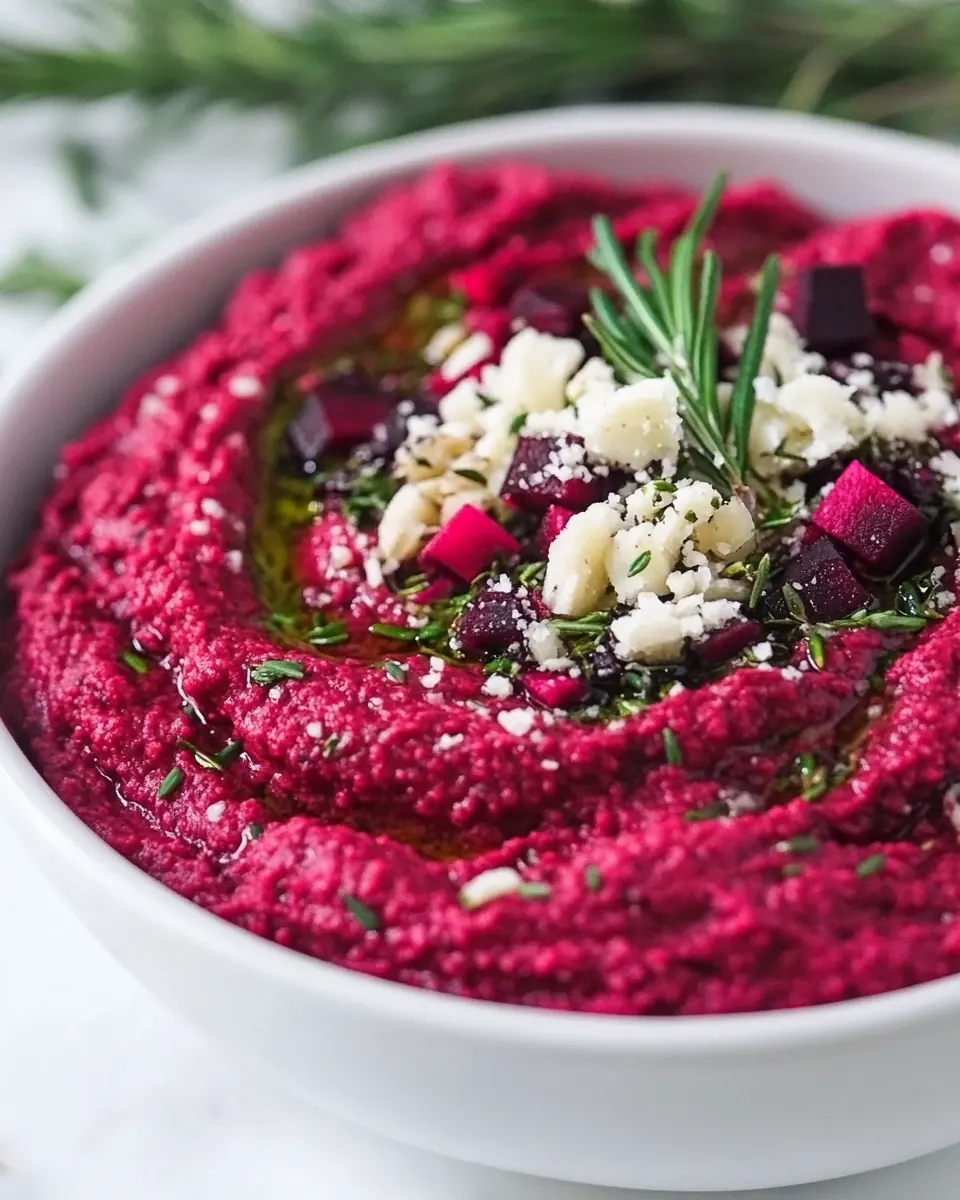
Sprinkle feta cheese and pumpkin seeds over the top of the hummus. Serve with fresh raw vegetables, chips or crackers.: Adding the olive oil slowly creates an emulsion that yields a silky, spreadable hummus. Pay attention to sound, a smoothing, steady whir indicates the oil is integrating; a strained motor sound means the mixture is too thick and needs scraping or a small splash of water. One mistake is pouring the oil too quickly, which can separate the texture and leave bits unincorporated. Take this step slowly, tasting as you go to adjust salt and lemon to your preference.
Sprinkle feta cheese and pumpkin seeds over the top of the hummus Serve with fresh raw vegetables chips or crackers: The final garnishing step is about texture and contrast, the salty crumb of feta cheese and the toasty crunch of pumpkin seeds elevate each bite. When plating, smooth the surface and create a shallow well to hold a light drizzle of olive oil , then scatter the toppings for visual appeal. A typical slip is over topping which can overwhelm the hummus, so a few measured tablespoons of each garnish preserve balance and invite guests to customize on their own.