Preheat the oven to 425°F / 220°C, and line a sheet pan with parchment paper for easy clean up.: You will notice the oven air warming and a faint, dry heat when the temperature is reached, which helps the broccolini develop crisp edges. Using parchment prevents sticking and captures drips from any roasted garlic . A common mistake is not letting the oven fully preheat, which leads to steaming instead of roasting. If the oven seems slow, wait a few extra minutes so the pan and air are truly hot, this ensures that the vegetables sizzle instead of limp.
Wash and pat dry broccolini with paper towels. Slice the thick stems in half, leaving a bit of stem on each floret so they hold together once cooked. Place right on the lined sheet pan in a single layer. If you want to roast garlic, slice the top of a garlic bulb.: When you pat the broccolini dry, you reduce surface moisture that would otherwise steam the vegetable, so you should hear faint scraping as you arrange them. The visual cue is glossy but not wet stems. Slicing thick stems exposes more surface for caramelization, producing a deeper color and sweeter flavor. A pitfall is overcrowding the pan; if the pieces touch too much they steam rather than brown. Arrange in a single layer with small gaps so hot air circulates and each stalk chars.
Drizzle the broccolini and garlic with olive oil, and season with salt and pepper. Toss the broccolini so it’s all coated in oil and seasonings.: The oil should shimmer slightly as you pour it, and when you toss, the smell of the oil and pepper will become noticeable. The coating promotes Maillard reactions on the surface, creating those prized browned edges. If you add too much oil, the broccolini will feel greasy and will not crisp properly, so aim for an even, light film. Toss gently so the stems remain intact, and use your hands or tongs to ensure every stalk is coated.
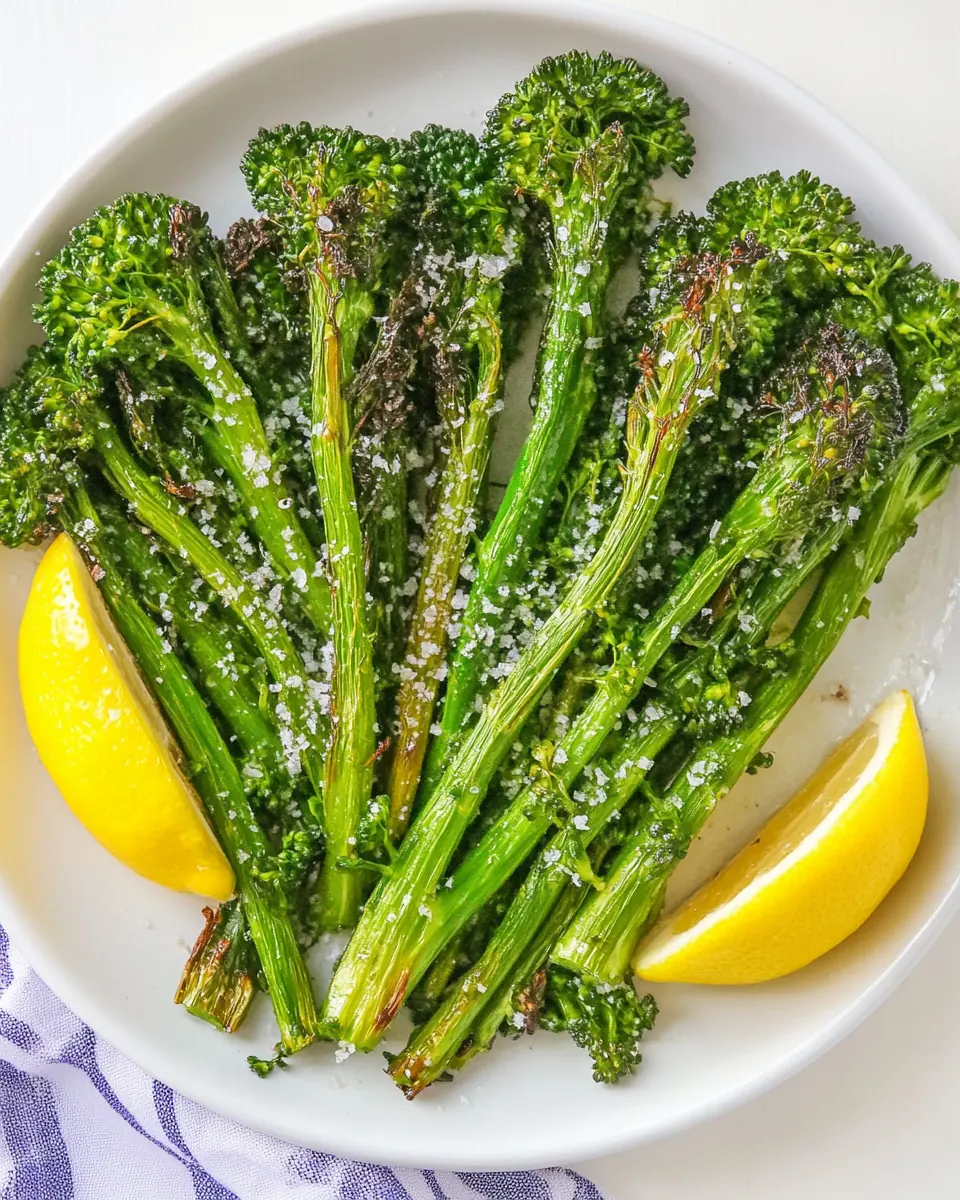
Roast for 20-25 minutes flipping halfway through. Keep an eye on the broccolini as all ovens are different, and start checking on it at 15 minutes.: During roasting you will hear a soft hiss and notice the tips darkening and curling, which signals caramelization. Flipping exposes new surfaces to the heat and encourages even browning. If you walk away without checking, the tips can quickly go from nicely charred to bitterly blackened, so set a timer to flip at the halfway mark. If your oven runs hot, shorten the time and watch for a deep green with brown edges rather than all over dark coloration.
When the broccolini is ready, remove the sheet pan from the oven. If the garlic is squeezable, it means that it’s ready. If not, roast for 10 more minutes (to help it roast quicker, wrap in foil).: The broccolini should smell nutty and sweet, and the stems will give slightly when pierced with a fork. Roasted garlic becomes soft and squeezable, releasing a mellow, caramelized aroma that complements the vegetal notes. A common misstep is undercooking the garlic, which will taste sharp rather than sweet; if that happens, return it to the oven wrapped in foil so it softens without overbrowning the vegetables.
Serve. Serve with a squeeze of fresh lemon juice, or a sprinkle of freshly grated parmesan cheese, and roasted garlic on the side (I like to smash it, and add it all over the broccolini).: At the table you will notice bright citrus lift or the savory, umami richness of melted parmesan , depending on your finish. Fresh lemon brightens the dish and balances the roast, while smashed garlic adds creamy depth. Avoid piling on too much cheese, which can mask the roasted flavors. Present the pan warm so the aromas remain vivid and enjoy the contrast of crisp tips and tender stems.