Go Back
Roasted Fingerling Potatoes

Roasted Fingerling Potatoes

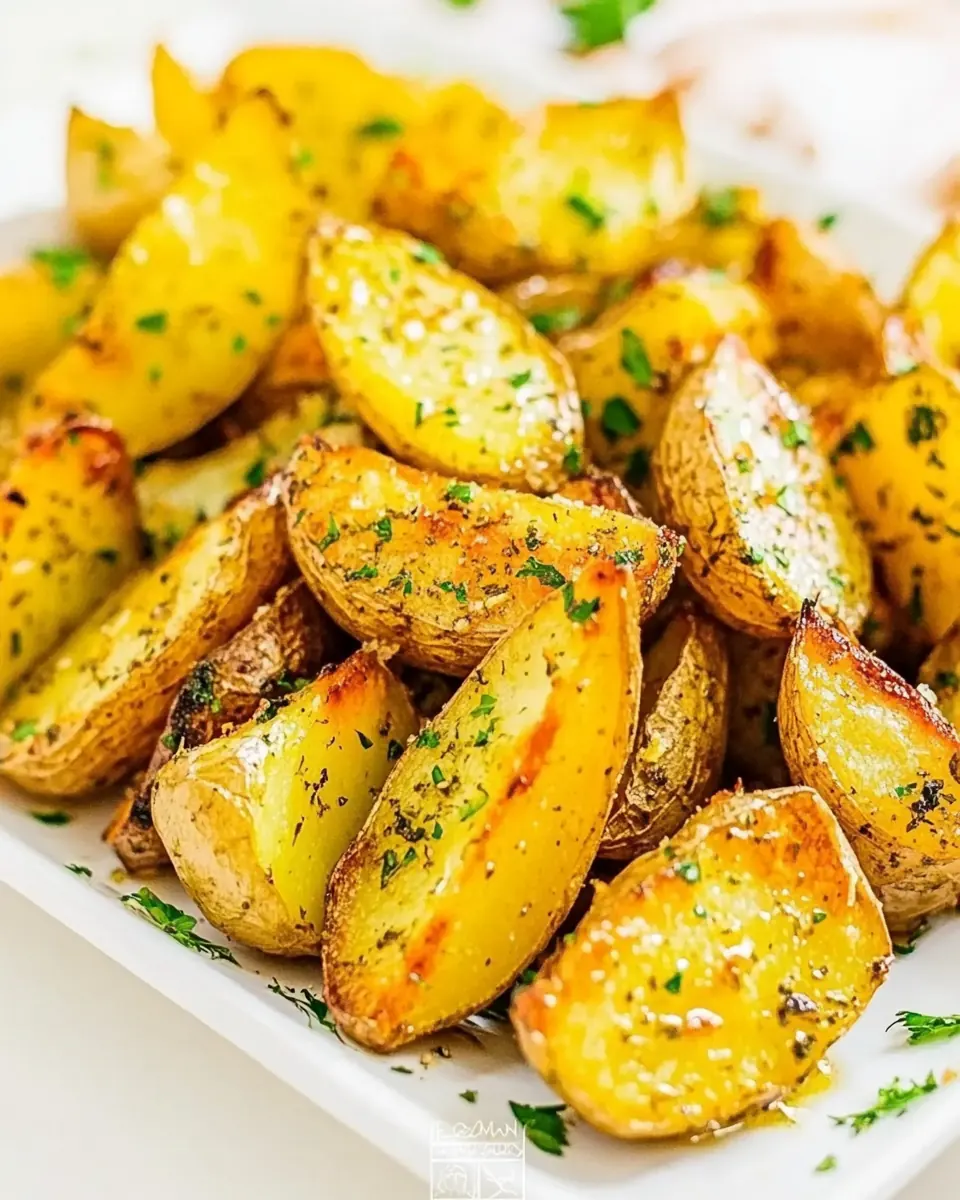
Roasted Fingerling Potatoes are crispy on the outside and tender inside, infused with garlicky, herby, and bright lemon notes. This easy oven roast makes a perfect side for weeknight dinners or holiday spreads, offering comforting texture and simple ingredients. Make it for an effortless, crowd pleasing accompaniment that is both flavorful and unfussy.
Prep Time 10 minutes
Cook Time 40 minutes
Total Time 50 minutes
Servings: 4 servings
Course: Side Dishes
Cuisine: American
Calories: 200

Ingredients
  

  • 2 lb fingerling potatoes any variety Provide small, firm tubers that roast evenly and hold their shape; choose any fingerling variety for texture and flavor. Slice or halve as needed to ensure uniform cooking and crisp edges when roasted. Contribute a creamy interior that contrasts with a golden, crispy exterior once finished.
  • 3 tbsp olive oil Coat potatoes to promote browning and develop a crisp, golden skin while adding a smooth mouthfeel. Use enough to lightly cover pieces so seasonings adhere and oil distributes heat during roasting. Contribute subtle fruity richness that complements herbs and garlic.
  • 1 1/2 cup vegetable broth Add moisture and a gentle savory base that keeps potatoes tender without making them soggy; use vegetable broth for a vegetarian-friendly option. Pour into the roasting pan partially to create steam during cooking, which helps cook interiors through. Provide additional seasoning depth and slight umami to balance bright lemon and herbs.
  • 3 tbsp lemon juice Bring bright acidity to brighten flavors and cut through the richness of oil and potatoes. Toss with potatoes and seasonings before roasting or drizzle afterward for fresh lift. Help balance the dish and enhance other aromatics like garlic and oregano.
  • 3 garlic cloves minced Deliver pungent, aromatic depth that browns and mellows with heat; mince to distribute flavor evenly. Infuse oil and potatoes during roasting, creating savory pockets of taste in each bite. Also contribute subtle sweetness when caramelized.
  • 1 tbsp dried oregano Impart warm, earthy herbiness that complements Mediterranean-style roasting; use dried oregano for concentrated flavor. Sprinkle with the potatoes and oil so the herb rehydrates and releases aroma during cooking. Tie together lemon, garlic, and broth into a cohesive savory profile.
  • 1/2 tsp salt or to taste Season to taste and enhance all other flavors while controlling overall saltiness; add gradually to avoid over-salting. Dissolve into oil and broth to distribute evenly across potatoes, ensuring balanced seasoning in every bite. Allow adjustment at the end for personal preference.
  • 1/2 tsp pepper Provide mild heat and aromatic sharpness that rounds out the seasoning profile. Grind or sprinkle evenly to ensure consistent peppery notes throughout the dish. Adjust quantity as needed to complement the salt level and other flavors.

Equipment

  • Baking Sheet
  • Oven
  • Mixing Bowl
  • Tongs

Method
 

  1. Preheat the oven to 375º F.: You will feel the warmth build as the oven comes up, and the small hum before it clicks into steady heat is your cue to prep the pan. A properly preheated oven ensures even roasting, which is why this step matters. If you skip preheating, the potatoes may cook unevenly and fail to develop those golden edges. Common mistake to avoid is not giving the oven enough time to reach temperature, which can add 5 to 10 minutes to your overall cooking time.
  2. Wash the potatoes thoroughly and cut lengthwise. Place them onto a large (about 12×17 inches), non-stick baking sheet in a single layer.: As you wash, you will notice the soil rinse away and the skins shine; that tactile moment helps you decide if they need scrubbing. Cutting lengthwise exposes more surface area for browning and creates a pleasing shape on the plate. A single layer is crucial because overlapping pieces steam instead of roast, resulting in limp skins. One common error is crowding the pan, which prevents proper caramelization and yields soggy spots.
  3. Season the potatoes with salt and pepper, and drizzle with olive oil. Using your hands, mix the potatoes, making sure they are covered with oil. Turn them cut-side down, and bake for 15 minutes.: When you rub the olive oil and seasonings in, you should feel the skins take on a silky coating, and you will smell the pepper and salt lift the natural aroma. Turning them cut-side down encourages direct contact with the hot sheet, which promotes browning and a slightly crisp rim. The initial bake develops a foundation of texture. Avoid tossing with metal utensils that can scrape skins, and do not skip turning cut-side down, otherwise you lose concentrated caramelization.
  4. In the meantime, mix together the veggie broth, lemon juice, garlic, and oregano.: As you whisk these elements, the sharp citrus scent from the lemon juice will balance the savory, vegetal notes of the vegetable broth , while the minced garlic releases a fragrant edge. This mixture acts as an infusion so the potatoes pick up flavor internally as the liquid reduces. A poorly mixed infusion can lead to uneven flavor, so taste the liquid and adjust if the lemon feels too assertive.
  5. Remove the potatoes from the oven and pour the veggie broth mixture on top. Bake for an additional 20-25 minutes, or until the liquid has disappeared and the potatoes are cooked through.: When you pour the broth, listen for a gentle hiss as it hits the hot pan and take in the steam that carries the herb and garlic aromas. The liquid will bubble and then slowly reduce, concentrating flavors and tenderizing the centers. Visual cues include the surface beginning to brown and the pan being nearly dry. A typical pitfall is adding too much liquid, which can prevent crisping and extend cooking time; measure carefully for consistent results.
  6. Once cooked, remove the potatoes from the oven and flip them cut-side up. Broil for 5-7 minutes, until they brown a bit. Sprinkle them with freshly chopped parsley, if desired.: The broil step creates a short, intense burst of heat that crisps the exposed flesh and produces lively, toasted notes. Watch closely during broiling because the visual change happens quickly from golden to burnt. You will hear small crackles as moisture evaporates and smell a deeper roasted scent. A common mistake is walking away during broil; staying attentive prevents charring and ensures the perfect finish.
Notes

  • Roast with herbs: Add a mix of fresh herbs like parsley or thyme after cooking to add fresh aroma and color without altering the roasting process.
  • Switch the citrus: Use a splash of orange juice instead of lemon juice for a sweeter, more caramelized finish; balance with a touch less broth if your citrus is very sweet.
  • Make it spicy: Stir in a pinch of red pepper flakes to the broth mixture for a gentle heat that builds with each bite.
  • Double the batch: Roast two sheet pans and keep one warm in a low oven if serving a crowd, they hold their texture well at 200º F for short periods.
  • Meal prep friendly: Store leftovers in an airtight container in the fridge for up to three days, and reheat in a skillet to restore crispness.