Preheat the oven to 200 C fan or 220 C conventional.: The oven smell shifts as it warms, gaining a dry warmth that encourages browning. I always let it reach full temperature before the tray goes in to ensure immediate caramelization. If you rush this, the pieces may steam instead of roast, yielding pale, soft edges. A quick check is to feel the heat through the open door briefly before sliding the tray in.
Cut the pumpkin into wedges and then small pieces and place in a large bowl. Drizzle over about 50 ml olive oil and sprinkle the cinnamon. Toss to coat. Spread the pieces out onto 1 very large or 2 smaller lined baking trays, drizzle over a little extra oil if necessary and season with salt and pepper. Roast for 40 – 60 minutes until soft and turning golden brown. I found larger pieces needed 60 minutes at 200 C in a fan assisted oven.: As you cut, you'll notice the firm, slightly sweet aroma of fresh pumpkin and the dense, moist texture inside. Uniform pieces are key so they cook evenly. When I'm prepping, I aim for similar thickness to avoid some pieces burning while others remain underdone. A common error is cutting unevenly, which causes mismatched timing on the tray.
To make the coriander sauce, add the coriander, garlic and about 3-4 tablespoons of olive oil to a small processor and blend. I used less coriander and more olive oil. Season with a little salt to taste.: The oil should gloss each piece and the cinnamon will cling to the surface. Tossing by hand helps the oil and spice adhere, and you can feel the pieces get slightly tacky, which is a good sign for roasting. If the coating is uneven the roast will be patchy, so make sure every wedge is lightly oiled.
Roast the pumpkin seeds on a baking tray at 180 C for 6 – 8 minutes. You can do this after the pumpkin has roasted and you have turned the temperature down. Set aside on a large tray to facilitate cooling.: When you toss, notice the sound of pieces rubbing together and the visual of every surface getting a light sheen. This contact helps the oil and cinnamon distribute evenly. If you see clumps of spice, separate them with your fingers so the roasting is consistent. Overcrowding the bowl while tossing can bruise the pieces, so give them room.
Stir the sriracha through the yoghurt adding a little more if you like heat.: Laying the pieces in a single layer gives you that roasted, slightly crisp exterior. You should hear a soft clink as the tray slides into the oven and later a gentle sizzling as moisture evaporates. If pieces touch, they steam and will not brown, so keep space between them for best caramelization.
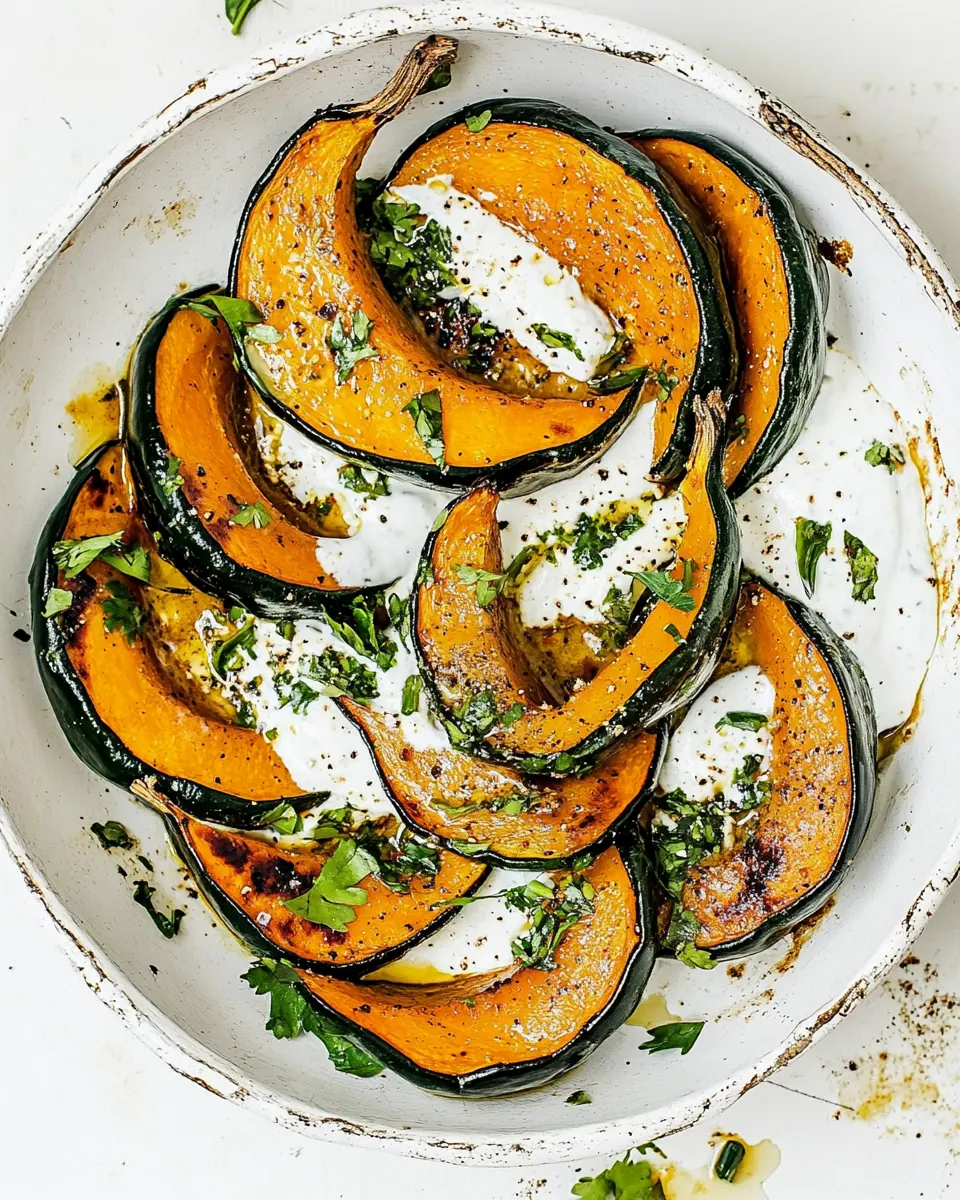
When you are ready to serve, and this is lovely served at room temperature, spread the pumpkin out on a large serving platter or plate, drizzle over the chilli yoghurt and the coriander sauce. Scatter the roasted pumpkin seeds and serve.: The aroma will deepen into nutty, caramel notes and the edges should show golden, slightly charred patches. Test with a fork for tenderness and look for shining, concentrated sugars on the surface. I learned the hard way that larger pieces can need the full 60 minutes, so err on the side of time for big wedges. Avoid opening the oven too often, or you will lose heat and lengthen cooking.
I found larger pieces needed 60 minutes at 200 C in a fan assisted oven: This personal note means you may want to check earlier for smaller pieces, but be prepared to give larger chunks the full hour. As they roast, the flesh becomes satiny and gives when pressed lightly. A mistake is pulling them out too soon, leaving a firm, undercooked center.
To make the coriander sauce, add the coriander, garlic and about 3 to 4 tablespoons of olive oil to a small processor and blend: As the herbs break down, the kitchen fills with a bright green, almost citrusy scent. The texture should be loose and pourable; I sometimes add a little more oil if my coriander is dry. Overprocessing into a completely watery puree can reduce the vibrant texture, so stop when it still has some body.
I used less coriander and more olive oil: That ratio gives a silkier, milder sauce that mellows any aggressive herbaceousness. You will see a glossy, emulsified finish and taste a rounded herb flavor. If you prefer a punchier herb note, add more leaves, but watch for bitterness if your coriander is older.
Season with a little salt to taste: Salt unlocks flavor and sharpens the sauce. Add gradually and taste between additions, because the roasted pumpkin and yoghurt will also contribute seasoning when assembled. Oversalting is hard to fix, so be restrained at this stage.
Roast the pumpkin seeds on a baking tray at 180 C for 6 to 8 minutes: The seeds will pop into a toasty, nutty aroma and take on a pale golden color. Spread them single layer so each one browns evenly. Watch them closely, as they can go from golden to burnt very fast. Let them cool on a tray once out of the oven to preserve their crunch.
You can do this after the pumpkin has roasted and you have turned the temperature down: Timing the seeds while the pumpkin rests is efficient and prevents overcrowding the oven. Cooling the seeds on a wide surface stops residual heat from continuing to cook them. A mistake is leaving them on the hot tray, which will keep cooking them beyond the desired point.
Set aside on a large tray to facilitate cooling: Cooling helps them crisp up fully. I leave them spread so steam does not build and make them chewy. If you stack warm seeds, they'll sweat and lose texture.
Stir the sriracha through the yoghurt adding a little more if you like heat: Mixing creates a smooth, rosy sauce that smells slightly vinegary and spicy. Taste and adjust gradually, because a little goes a long way. If you add too much chilli, the yoghurt can overpower the delicate coriander sauce and the sweetness of the pumpkin .
When you are ready to serve spread the pumpkin out on a large serving platter or plate: The visual is important here, arrange the warm golden pieces so they show their caramelized edges. The surface should glisten from the roasting oil, and you will hear soft murmurs as guests take in the aroma. Overcrowding the platter hides the sauces and makes serving messy, so leave gaps for the next steps.
Drizzle over the chilli yoghurt and the coriander sauce: The contrast of white and green across the warm orange pieces is striking, and the sauces mingle where they meet to create nuanced bites. Use a spoon to create ribbons rather than drowning the pumpkin . Too much sauce can mask the roasted flavor, so apply thoughtfully.
Scatter the roasted pumpkin seeds and serve: The final crunchy scatter adds a satisfying finish and an appealing look. Serve at room temperature if you can, the flavors have time to settle and mingle. A common error is serving piping hot, which can mute the herbaceous notes and make the yoghurt runny.