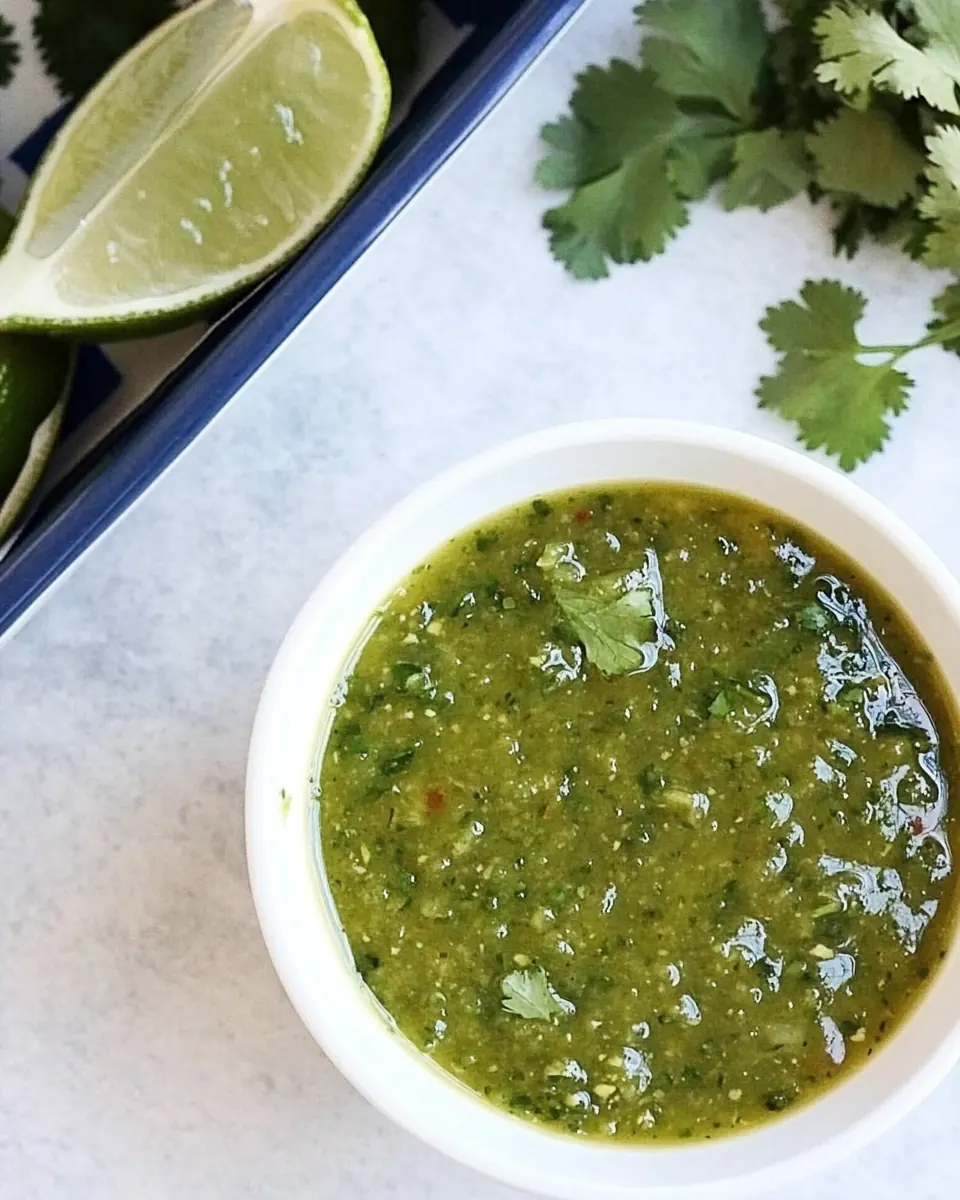
Preheat a broiler to high, and place an oven rack on the top most setting.: The moment you slide the baking sheet under the broiler you should smell a savory, toasty aroma as edges begin to char, signaling the Maillard reactions that create complexity. Positioning the rack up high ensures quick blistering rather than long, stewing cooking, which preserves bright tomatillo flavor while building smoky notes. Listen for a subtle sizzling as the husks release moisture and the skins blacken. One reason this step matters is that direct high heat creates those desirable browned bits that deepen flavor, without overcooking the interior. If you accidentally set the rack too low, the vegetables will steam and soften without charring, producing a flatter salsa. Keep an eye on the broiler and be prepared to move items off the sheet as they finish so nothing burns.
Place tomatillos, jalapeños and garlic cloves on a rimmed baking sheet, and broil until tender and lightly golden. Some of the vegetables may finish before others, so take them off the baking sheet as needed. Timing will depend on your broiler, but this process took me about 20 minutes to complete.: As the tomatillos and jalapeños roast, their skins will blister and the naturally occurring sugars will start to caramelize, giving a faint sweet edge to the tart tomatillo. The garlic cloves, with skins on, will slowly soften and darken at the edges, losing their raw sharpness and becoming creamy when peeled. You will notice a progression, from glossy and firm to wrinkled and slightly collapsed, which is the visual cue to stop roasting. The sound may shift to a quieter hiss as moisture reduces. Timing varies by broiler strength, so expect about twenty minutes total in my experience, removing pieces as they reach the right color. A common mistake is overcrowding the pan which prevents even charring, so give each piece space for hot air to circulate.
Cut the stems off the jalapeños, and scrape out the seeds. Reserve the seeds. Peel the garlic. Add roasted tomatillos, jalapeños and garlic to the container of a blender. Chop the scallions up into big pieces, and add them to the blender along with the cilantro and lime juice. Puree all ingredients in the blender. Season to taste with kosher salt. If you’d like to increase the spiciness of the salsa, blend in some of the reserved jalapeño seeds.: Removing the stems and scraping seeds allows precise control over how spicy the salsa will be. The seeds and inner ribs hold much of the heat, so reserving them separately gives you an option to add back increments of heat after blending. You will feel the texture of the peppers change when they are properly roasted, and the smell will be more herbal and less raw. Be careful when handling the seeds, avoid touching your face, and wash hands thoroughly after, because they can transfer heat. Leaving too many seeds in by accident can make the salsa intensely hot and unpredictable.
Transfer the salsa to the refrigerator, and let chill before serving. Check seasoning once the salsa has chilled, and add more salt and lime juice if needed. Store in the refrigerator for up to 2 weeks.: Once the roasted garlic cools slightly, its papery skin slips away easily, revealing soft, golden cloves. The scent shifts from sharp to sweet and mellow, and when you press a clove between your fingers it should mash smoothly, indicating it is ready for blending. Roasted garlic adds body and depth without the biting raw sulfur notes. If the garlic is under-roasted it will retain a harsher edge, so ensure it is soft and caramelized. Overcooking can make it bitter, so aim for a gentle golden color.
Add roasted tomatillos, jalapeños and garlic to the container of a blender: Dropping the warm roasted components into the blender releases steam and intensifies the aroma, making the initial whirl almost intoxicating with roasted, citrusy notes. Blend just enough to break everything down before adding the rest, to avoid overworking the herbs later. The why here is important, heat helps meld flavors and makes them easier to puree, but be cautious when blending hot items to avoid pressure buildup; vent the lid slightly if your blender allows. A typical error is blending at maximum speed from cold start which can create a frothy texture; pulse to maintain control.
Chop the scallions up into big pieces, and add them to the blender along with the cilantro and lime juice: Adding chopped scallions , fresh cilantro , and lime at this stage brightens the roasted base and preserves green freshness. The scallions contribute a subtle oniony backbone while the cilantro injects herbaceous lift, and lime juice cuts through the roast with a citrus snap. When everything goes in, you may notice a lively green scent return, balancing the earlier smoky notes. The reason to add lime later is that it keeps its fresh acidity, which could otherwise cook off if exposed to high heat. Avoid overpacking the blender which can prevent even processing.
Puree all ingredients in the blender: As the blender works, the texture transforms from chunky roasted bits to a cohesive, glossy salsa. You will hear the motor shift as it breaks up fibrous pieces, and visually the mixture should go from mottled to uniformly green. Scrape down the sides as needed to ensure even processing. The goal is a balanced texture that is pourable yet still has a little body. Overblending can make the salsa too thin and purely liquid, while underblending leaves large, uneven chunks. Pulse and check frequently to reach the texture you prefer.
Season to taste with kosher salt: Adding kosher salt after blending lets you tune the flavor precisely, because salt enhances the perceived sweetness, acidity, and heat. Taste a spoonful once blended and start with a small pinch, then increase gradually. Salt also helps bind the flavors together so the salsa does not taste disjointed. A key tip is to recheck seasoning after chilling, as cold temperatures mute saltiness and acidity. Over-salting is hard to fix, so go slowly and taste often.
If you’d like to increase the spiciness of the salsa, blend in some of the reserved jalapeño seeds: Incorporating reserved seeds incrementally lets you calibrate heat without overshooting. Add a few seeds, blend, and taste, then repeat until you reach your preferred level. The heat will bloom as the salsa rests, so err on the milder side if you plan to refrigerate for a while. A common misstep is adding too many seeds quickly, which can create a one dimensional, sharp heat rather than a layered spiciness.
Transfer the salsa to the refrigerator, and let chill before serving: Chilling allows the flavors to marry, mellowing any harsh edges and distributing salt and acidity evenly. The salsa should thicken slightly as it cools and the herb flavors will integrate with the roasted components. After at least thirty minutes to an hour, taste again and adjust with more salt or lime if needed. Store in a sealed container in the fridge for up to two weeks. Avoid leaving it out too long at room temperature which can dull the vibrancy and reduce shelf life.
Check seasoning once the salsa has chilled, and add more salt and lime juice if needed: Cold tasting is the final balancing act, because chilling reduces perceived salt and acidity, so this is when you make final corrections. A squeeze more lime might brighten it, or a small pinch of kosher salt can make the flavors pop. Stir thoroughly and let sit a few minutes after adjustments so the taste evens out. Overcorrecting can send the salsa off balance, so make micro adjustments and taste between each one.
Store in the refrigerator for up to 2 weeks: Properly chilled and sealed, this salsa keeps well, and its flavor continues to evolve over the first few days. Use sterilized jars for the longest life, and always use a clean spoon to avoid introducing contaminants. A practical sign it has gone off is a sour or fermented smell, in which case discard it. Freezing is possible but the texture will change slightly upon thawing.