Preheat the oven to 300°F with the rack in the middle.: When you step into the kitchen you should feel warmth building and a quiet sense of readiness, because a low oven keeps the braise gentle and even. The middle rack ensures steady air circulation, which prevents the top from drying while the interior becomes tender. I like to set a timer and let the oven reach temperature fully before the pot goes in, because sudden temperature shifts can cause uneven cooking. A common error is placing the pot too close to the top element, which can lead to overbrowning on the lid while the meat inside remains firm.
Melt the ghee in a large Dutch oven over medium low heat. Add the lamb, onions, carrots, Rogan Josh seasoning, salt, and pepper to the pot.: As the ghee melts you should see a shimmer on the surface, a signal that it is hot enough to release spice oils. Adding the ingredients now lets the spices meet warm fat and start to bloom, releasing fragrant notes that fill the kitchen. When the meat touches the pot it should sizzle gently, not roar, which indicates the pan is at the right temperature to begin browning without burning. If the pot is too hot the outer surface can char quickly, creating a bitter edge, so keep the heat controlled.
Stir the mixture constantly for 5-8 minutes, or until the spices are fragrant.: During this time you want to notice a change in the scent, from raw to toasty and aromatic. The sound will be soft sizzling and the ingredients should begin to cling together and darken slightly, which deepens flavor. Constant stirring ensures even coating and prevents the spices from sticking and turning bitter. A frequent slip is walking away during this step, which risks scorching the spices and losing their bright aromatics.
Next, mix in 1/2 cup of water and the coconut yogurt. Increase the heat to high to bring the contents to a simmer.: When you add the water and the coconut element you will see the mixture loosen and sigh as steam rises, creating a gentle simmer. The coconut yogurt brings silk and a mild tang that rounds the spice, while the water helps deglaze the pan and lift up browned bits, building a more cohesive sauce. Stir until the yogurt is integrated and the steam carries spice notes through the air. If you add too much liquid at once you can dilute the flavors, so stick to the measured amount for balance.
Place the lid on the pot and place the stew in the oven for around two hours or until the lamb is fork tender.: At this moment you want to see regular, gentle bubbling and feel a steady steam escaping from the pot, this shows the stew is moving toward the oven with enough energy to start breaking down connective tissue. The higher heat jumpstarts the braise and ensures the oven time completes the tenderizing process. Be careful not to let a rolling boil form, which can toughen the meat and create a grainy sauce; a controlled simmer is key.
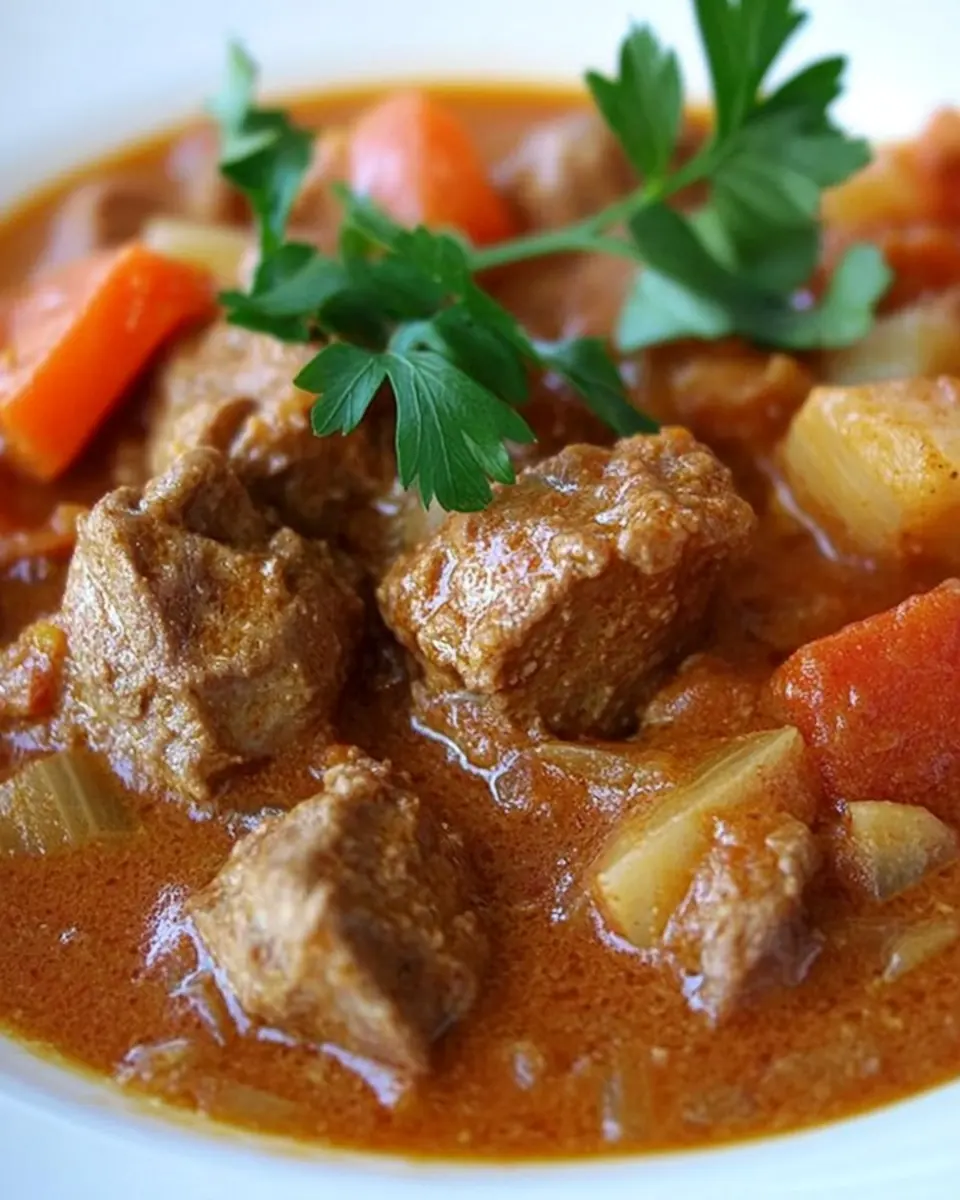
Remove the stew from the oven and adjust the seasoning with salt and pepper to taste. Serve over Simple Cauliflower Rice or along with roasted vegetables.: As the pot settles into the oven you will hear the house quiet, and later when you lift the lid you should see a glossy sauce and meat that yields easily to a fork. Slow oven cooking allows collagen to dissolve into gelatin, yielding silkiness in the mouth and unctuous texture on the plate. If the pieces are not uniformly tender after two hours, give it additional time in 15 to 20 minute increments, checking moisture so it does not dry out. A common pitfall is opening the oven frequently, which prolongs cooking time and cools the pot unnecessarily.
Leftovers can be kept in a sealed container for up to four days in the fridge or up to four months in the freezer.: Once you take the pot out you should taste the sauce for balance, noting whether it needs a touch more salt to enhance savory notes or a pinch more pepper to brighten the finish. The aroma will be layered and inviting, with the long cooking mellowing sharp edges. Stir gently to distribute juices, and if the sauce is too thin, simmer briefly on the stove to concentrate; if too thick, add a splash of water. Over-salting is easy to do, so add slowly and taste as you go.
Serve over Simple Cauliflower Rice or along with roasted vegetables: The final presentation should showcase the stew as the star, with the side acting as a gentle counterpoint in texture and flavor. I like the contrast of tender lamb against a light, absorbent bed that soaks up sauce. Plate a portion of the chosen side, ladle the stew over it, and garnish simply if desired. A typical mistake is pairing it with a competing heavy side, which can overwhelm the nuanced spice profile.
Leftovers can be kept in a sealed container for up to four days in the fridge or up to four months in the freezer: When you store the stew you will notice the flavors deepen further overnight as they marry. Cool it quickly to preserve freshness, and reheat gently to avoid breaking the sauce; low stove heat or a gentle oven is best. Freezing in portioned containers makes future meals effortless. Avoid repeated reheating cycles, which can degrade texture and flavor over time.