Cook pasta according to package directions – be sure to salt the boiling water. Drain well.: The boiling salted water is your opportunity to season the pasta from the inside out, so the mouthfeel is seasoned rather than relying only on the sauce. Listen for the gentle roll of the boil and watch the pasta edges as they become tender but still firm to the bite. Drain well so the sauce does not become diluted, tossing immediately into a warm bowl will keep it from sticking. A common mistake is overcooking, which leads to mushy texture, so check early for al dente and stop cooking when the center still has a slight give.
While the pasta is cooking, cook the sausage over medium heat in a large pot (at least 5 Qt). Use a wooden spoon to break up the sausage into small bits. This takes about 5-10 minutes. Once the sausage is cooked through, remove it to a plate or bowl and set aside.: You'll hear a satisfying sizzle as the sausage hits the pan and smell the Maillard notes as it browns, which is crucial for deep savory flavor. Breaking the meat into small pieces increases surface area, encouraging crisped bits that contribute texture and flavor. Remove it once cooked to avoid drying it out, and leave any rendered fat in the pan to flavor the sauce. Avoid crowding the pan, which causes steaming rather than browning, leading to less developed flavor.
Melt the butter in the sausage pan over medium heat. Add the onion and cook until soft, about 2-3 minutes. Add the garlic and cook 1 more minute. Stir in the flour completely and cook for 1 minute, then add the milk. Stir to combine the mixture, then add the Italian seasoning, pepper, and dry mustard.: As the butter melts you will see it foam and then settle, creating an ideal surface to gently soften the onion . The aroma will shift from sharp to sweet once the onion is translucent. Adding the garlic for only a short time prevents bitterness while releasing aromatic oils. When you stir in the flour it should coat the softened vegetables, and a minute of cooking removes raw flour taste. Pouring in the milk gradually while stirring prevents lumps, and you will notice the mixture becoming cohesive. If lumps form, whisk vigorously and reduce heat, as overenthusiastic high heat can scorch the roux.
Cook over medium heat, stirring constantly, until the mixture thickens, about 10 minutes or so. It should be the consistency of a creamy soup. Stir in the cheese until melted. Add salt to taste (and more pepper, if desired).: As the sauce simmers you will see it transform from thin to velvety, and you may hear a low bubbling that indicates gentle thickening. Stirring constantly keeps the bottom from scorching and promotes even heat, which is essential for a smooth finish. When the sauce reaches a creamy soup consistency it will coat the back of a spoon, a reliable visual cue. Add the shredded cheese off heat or on very low heat to avoid graininess, stirring until fully melted. A common pitfall is overheating the sauce after adding cheese which can cause separation, so keep heat low and stir patiently.
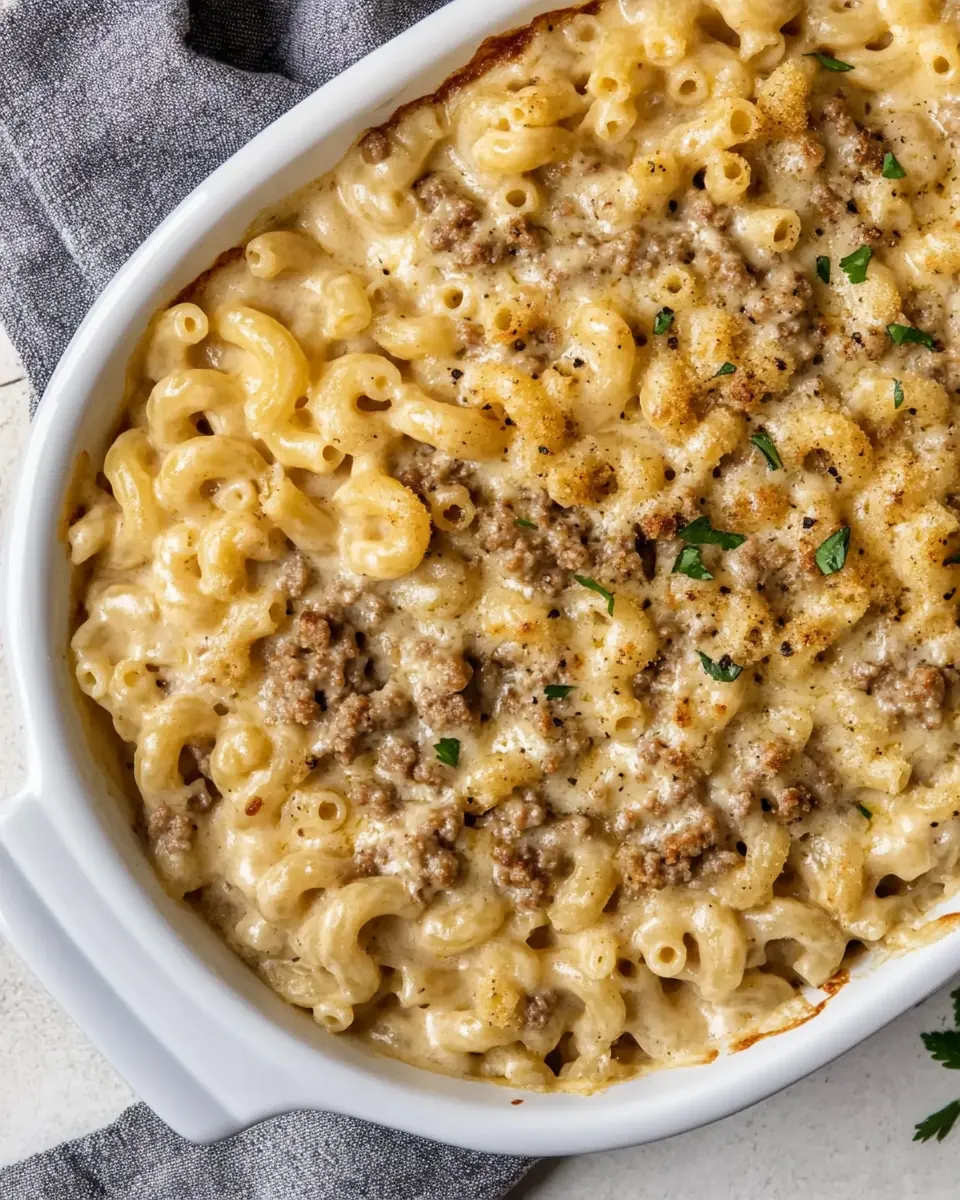
Add sausage and pasta into the cheese sauce and stir until combined. Remove from heat and serve hot.: The moment you fold the browned sausage and drained pasta into the sauce, steam and a creamy sheen will rise, signaling readiness. The contrast of savory meat and creamy cheese should be balanced, and the dish should cling together without being gluey. Serve immediately for the creamiest texture, as standing time will allow the sauce to settle. If the mixture seems too thick after combining, a splash of warm milk can loosen it; the mistake to avoid is adding cold liquid which can cool the dish excessively and disrupt the melt.
Store in an airtight container for up to 3 days. This can be made one day ahead and reheated in the oven as well.: When cooled slightly before storing, the flavors continue to meld and the texture firms up for easier reheating. Reheating in an oven with a splash of milk restores creaminess and can create appealing slightly crisped edges. Avoid microwaving from frozen without adding moisture, because that tends to produce dry spots and uneven warming. For best results, reheat gently and stir occasionally to redistribute heat and preserve a smooth sauce.