Add the water to a skillet and bring it to a boil over medium-high heat.: You will hear the water begin to chatter and form steady bubbles before the beans go in. The small volume of water will heat quickly, so standby with the beans and a lid. This initial boiling point is important because it creates enough steam to gently cook the green beans without leaching their flavor. A common mistake is using too much water which leads to soft, waterlogged beans instead of a tender crisp texture.
Once the water is bubbling, add the beans and cover the skillet. Cook for 4-5 minutes (they will be tender-crisp). If the beans are too crisp for your liking, cook them for a couple more minutes.: Look for vigorous but not violent bubbling as you drop the beans in, and immediately cover to trap the steam. You will notice the steam fog the lid and the beans will brighten in color within moments. This trapped steam softens the interior fibers while keeping the exterior vibrant. Avoid leaving the lid off during this short period because the steam will escape and the beans will cook unevenly.
Drain the water from the skillet.: As the covered skillet works, listen for a soft rolling sound and peek occasionally to check firmness with a fork or a taste. After about four to five minutes you should find a satisfying tender crisp bite, with a slight resistance when you chew. If you prefer a softer bean, add one or two additional minutes, but be careful not to overdo it, as prolonged steam will dull the color and make them mushy.
Return the skillet (with the beans in it) to the stove over medium heat.: Carefully tilt the skillet to pour off the hot water, or use a colander to drain. You will see the beans glisten as the water goes away, and the smell will be subtly vegetal and clean. Removing excess water prevents the final sauté from becoming soggy and allows the butter to coat the beans evenly. A common error is to let the beans sit in the drained water which cools them and dilutes the flavor.
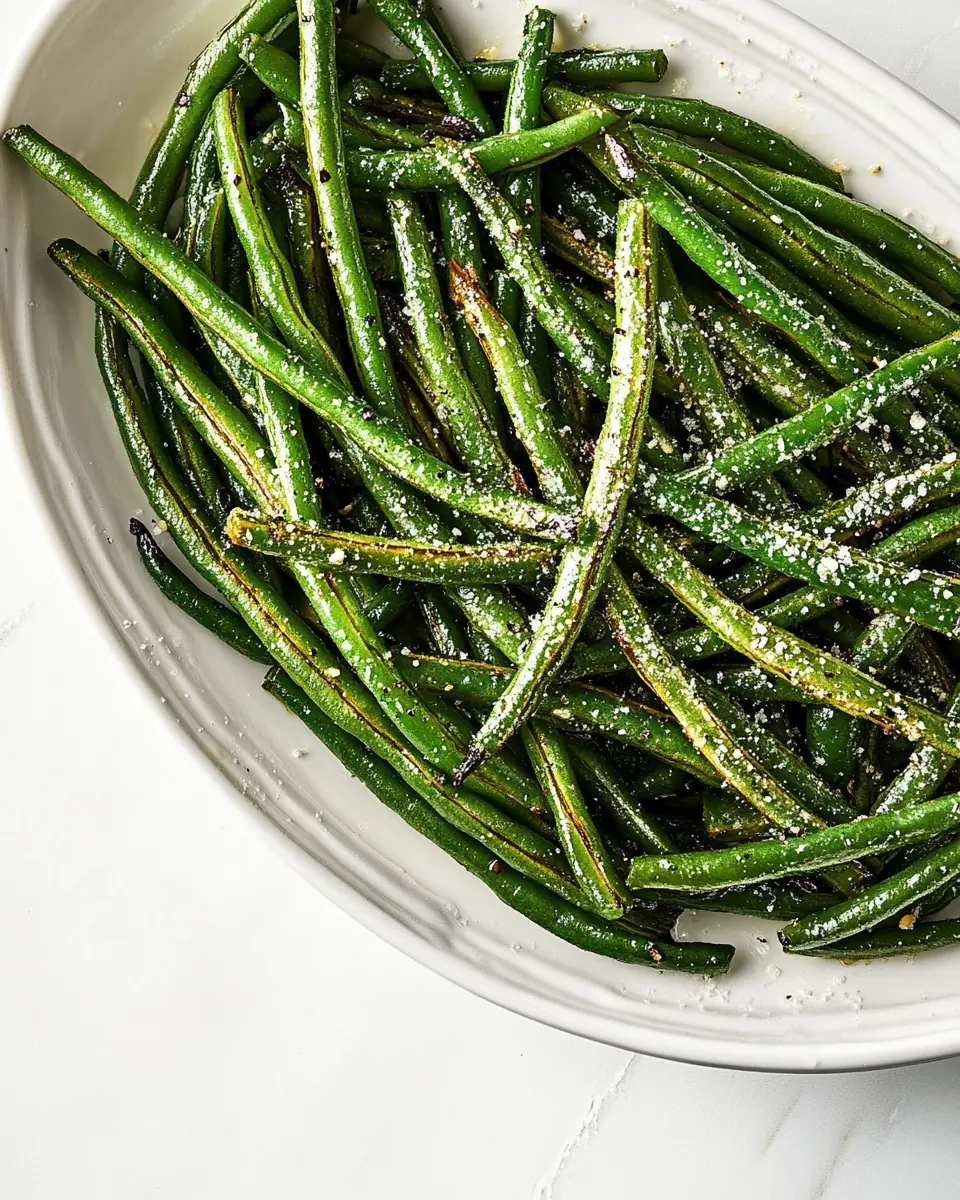
Add the butter to the skillet, then sprinkle in the onion powder and garlic powder, season generously with salt & pepper, and toss for about a minute until the beans are well coated (use tongs or two spoons). Serve immediately.: Placing the skillet back on medium heat warms the pan so the butter melts and clings to the beans, creating a light sear and toasty notes. You should start to hear a gentle sizzle as any residual moisture leaves the surface. This step intensifies flavor through gentle caramelization and gives a more complex aroma. Avoid turning the heat too high, which can burn the butter and leave a bitter taste.
Add the butter to the skillet then sprinkle in the onion powder and garlic powder season generously with salt & pepper and toss for about a minute until the beans are well coated use tongs or two spoons Serve immediately: When the butter melts it will foam slightly and release a warm, nutty smell that carries the seasonings across the beans. Tossing for about a minute allows the powders to bloom in the hot fat and cling to the surface creating an even coating and glossy finish. You will hear a soft, cloth like shuffle as you toss the beans, and their surface will gleam. The why is simple, the hot fat draws out flavor and binds seasonings to the vegetable. Trouble to watch for is over tossing which can bruise the beans or smash them with heavy tools; use gentle motions and serve while warm for best texture.