Go Back
Sautéed Peas

Sautéed Peas

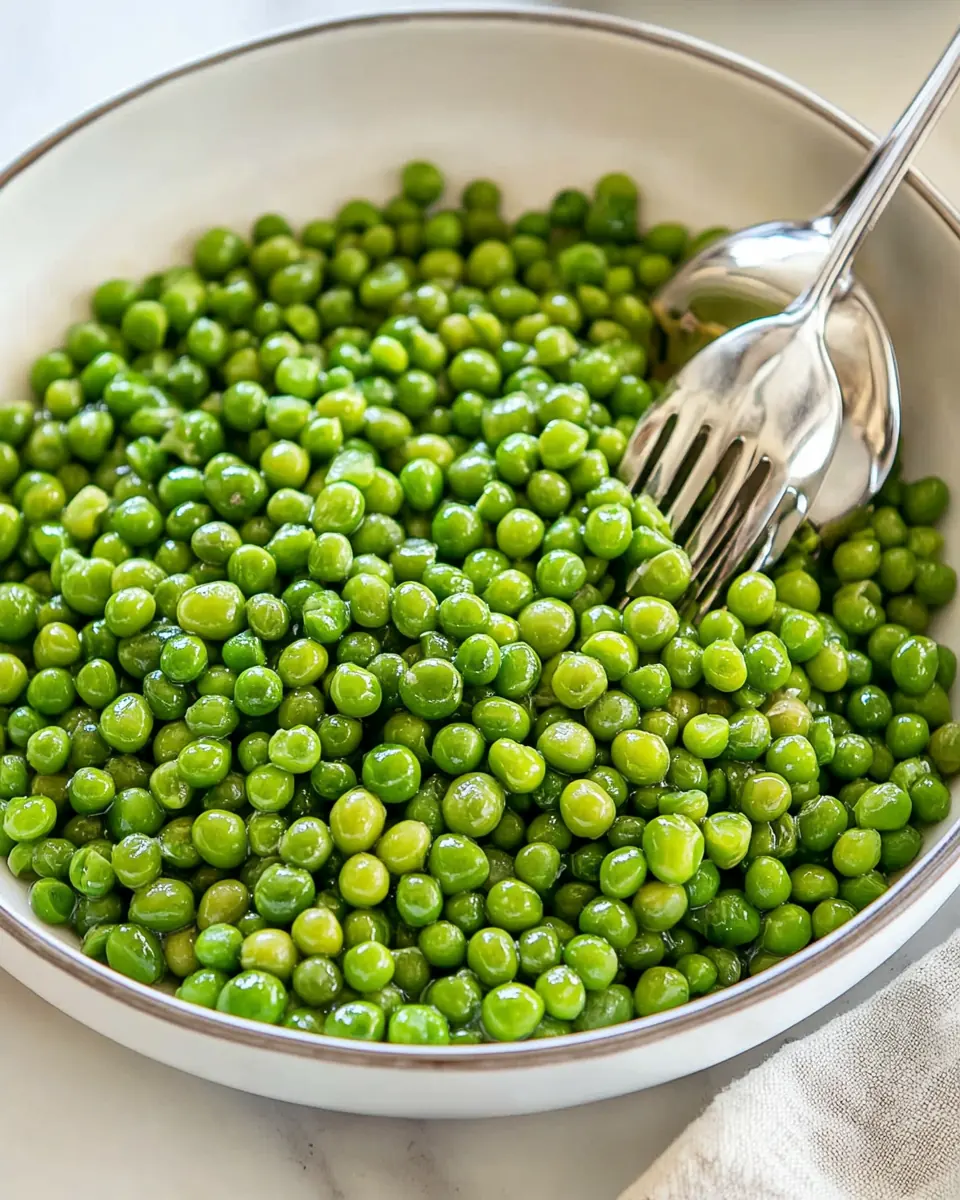
Sautéed Peas is a quick, vibrant side with buttery, savory notes and fresh herb brightness. Tender frozen peas are finished in butter and broth with sweet onion, aromatic garlic, and bright dill, making an easy weeknight dish that feels elegant. It’s perfect for spring meals or anytime you want a fast, flavorful vegetable side.
Prep Time 10 minutes
Cook Time 15 minutes
Total Time 25 minutes
Servings: 4 servings
Course: Side Dishes
Cuisine: American
Calories: 150

Ingredients
  

  • 4 tablespoon butter (unsalted) Melted in the pan to provide a rich, silky base for sautéing; unsalted butter adds smooth mouthfeel and helps carry flavors. Use to sweat the onion and garlic gently without browning too quickly, and finish the peas with a glossy coating for richness.
  • 1 large onion (chopped) Chopped and cooked until translucent to build a sweet, aromatic foundation for the dish; onion contributes texture and natural sweetness. Sauté slowly in butter to release sugars and deepen flavor, ensuring a balanced backdrop for the peas and herbs.
  • 2 cloves garlic (minced) Minced and added early to release pungent, savory aromatics; garlic brightens and layers flavor without overpowering when cooked briefly. Stir into the sweating onions so its aroma infuses the butter and lifts the overall savoriness of the peas.
  • 1 pound frozen green peas Frozen and added to the pan as the primary vegetable, delivering tender bite and fresh green flavor when heated through. Cook with broth and aromatics until warmed and evenly coated, preserving color and texture while absorbing savory notes.
  • 3/4 cup chicken broth (or vegetable broth, low sodium) Poured in to deglaze and provide cooking liquid, offering savory depth and a gentle simmer for the peas; low sodium keeps salt controllable. Use to steam and finish the peas, concentrating flavor while preventing dryness.
  • 1/4 teaspoon salt (or to taste) Measured and added to season, enhancing the natural flavors while allowing for personal adjustment; salt balances sweetness and brings out depth. Start with the stated amount and taste before adding more, since broth may already contain sodium.
  • 1/2 teaspoon pepper (or to taste) Ground and included to introduce mild heat and aromatic sharpness, rounding out the seasoning profile. Sprinkle in during finishing stages and adjust to preference so pepper complements without overwhelming the delicate peas and dill.
  • 2 tablespoon fresh dill (chopped) Chopped and stirred in at the end to impart a bright, herbaceous finish that lifts the dish; dill adds a fresh, slightly anise-like note. Fold through just before serving to preserve its color and fragrant, delicate flavor.

Equipment

  • 12-inch Cast Iron Skillet

Method
 

  1. Melt the butter in a large skillet over medium heat.: You should hear a gentle sizzle as the butter settles into the pan and see it foam and then calm, giving off a warm, nutty aroma. This stage builds the flavor base and ensures the onion will cook evenly. If the butter browns too quickly, lower the heat to avoid a bitter note. One common mistake is cranking the heat which scorches the fat and ruins the delicate flavors, so be patient as the pan warms.
  2. Add the onion to the skillet and cook for 5 minutes until the onion is soft and translucent. Stir in the garlic and cook for another 30 seconds until aromatic.: As the onion softens, you will notice it turning glossy and losing its raw edge, releasing a sweet, mellow scent. After stirring in the minced garlic , lean in and catch the fragrant lift that comes almost instantly. Keep the heat moderate because garlic can burn in a blink, becoming acrid instead of fragrant. If the edges of the onion begin to brown too fast, reduce the heat and stir more frequently to promote even caramelization.
  3. Add the frozen peas and chicken broth. Season with salt and pepper and stir. Cook for 5 to 10 minutes or until most of the liquid has cooked off.: When the frozen peas hit the warm pan you will hear a soft hiss as they release chilled steam and begin to warm. The splash of broth adds a savory layer and creates a gentle simmer that helps the peas cook through without becoming waterlogged. Stirring until the liquid is incorporated ensures every pea picks up flavor. A common slip here is adding too much liquid; use the stated amount so the dish finishes with a glossy reduction rather than soupy.
  4. Garnish with lots of fresh dill. Serve with fresh lemon wedges, if preferred.: During this phase, watch for the broth to reduce into a silky glaze that clings to the peas . You want the peas to be tender but still hold their shape, and the sound of a light simmer will shift to occasional gentle bubbling as the liquid evaporates. Taste for texture; if the peas feel mealy, they are overcooked. Stir intermittently to prevent sticking, and if the pan dries out too quickly, add a splash more broth sparingly.
  5. Garnish with lots of fresh dill.: Finish with the chopped dill sprinkled over the hot peas , and watch the herb release an immediate, bright aroma. This final herbaceous note contrasts the warm, buttery base and lifts each bite. If you add the dill too early it will lose vibrancy, so save it for right before serving. One tip is to taste and adjust salt and pepper after the herb goes in, because fresh dill can subtly alter the perception of seasoning.
  6. Serve with fresh lemon wedges, if preferred.: A squeeze of lemon brightens the whole dish and accentuates the sweetness of the peas . If you choose to use lemon, add it sparingly and taste as you go to avoid overwhelming the herbs. A mistake some make is squeezing too much citrus which can dominate the delicate balance, so add gradually and test for harmony.
Notes

  • Start with unsalted butter: Using unsalted butter makes it easier to manage salt levels, especially when your broth may already contain sodium.
  • Mind the heat for the garlic: Add minced garlic after the onion softens to prevent burning and to keep the aroma bright rather than bitter.
  • Keep some broth on hand: A little extra broth saved nearby helps if the pan dries out before the peas reach the ideal texture, but add it sparingly to avoid a soupy finish.
  • Finish with fresh dill only: Add chopped dill at the end so the oils and fragrance remain vibrant, which is key to the dish’s spring like character.
  • Stir gently to preserve texture: Handle the peas with care while stirring; aggressive stirring breaks them down and loses the pleasant pop of each bite.
  • Adjust seasoning at the end: Taste after the dill goes in, because herbs can change your perception of salt and pepper, and small adjustments ensure balance.
  • Serve immediately: This dish is best hot from the skillet when the aroma of dill and butter are most pronounced, though it keeps well for reheating.