To a large Dutch oven or soup pot, add the olive oil, and once hot, sauté shallots and garlic until fragrant.: You will smell a bright, savory aroma the moment the garlic hits the warmed olive oil , and the shallots will begin to turn translucent, releasing a sweet scent that signals readiness. Gently stir so nothing sticks, and listen for a soft sizzle, not an aggressive pop, which means the heat is too high. This stage matters because those browned aromatics form the flavor foundation, giving the soup a mellow complexity. A common mistake is overheating the oil which fries the garlic too quickly, leaving it bitter. If that happens, lower the heat and remove the bits so they do not color the broth.
Add carrots and celery and cook for another 5 minutes, until the vegetables soften.: As the carrots and celery mingle in the pot, you should hear a gentle crescendo of sizzling and see them gloss over with oil. After several minutes they will yield to the touch and their edges will look slightly softened but still hold shape. This step enhances sweetness and body in the broth, because lightly cooked vegetables release natural sugars. Avoid overcooking into mush, or the texture will become indistinct; aim for tenderness with a little bite so the soup keeps interest in every spoonful.
Add the fish broth, diced tomatoes, smoked paprika, salt, pepper, and Italian seasoning, and bring to a boil. Add the coconut cream, reduce the heat to low, and simmer, covered, for 15 minutes or until the soup has thickened.: When you pour in the fish broth and diced tomatoes , the pot will exhale savory steam and the color will shift to a warm, tomato-tinted broth. Stir in the smoked paprika , salt , pepper , and Italian seasoning , and let the surface come alive with small rolling bubbles as it reaches a boil. Stir in the coconut cream to introduce a silky texture, then lower the heat to a gentle simmer so flavors meld without boiling aggressively. Simmering covered concentrates the broth and softens the vegetables further. The reason for this controlled simmer is to coax out the tomatoes sweetness and let the spices bloom, creating a complex base. A pitfall here is boiling too hard which can break the cream or evaporate too much liquid, so keep it low and watch for a gentle thickness.
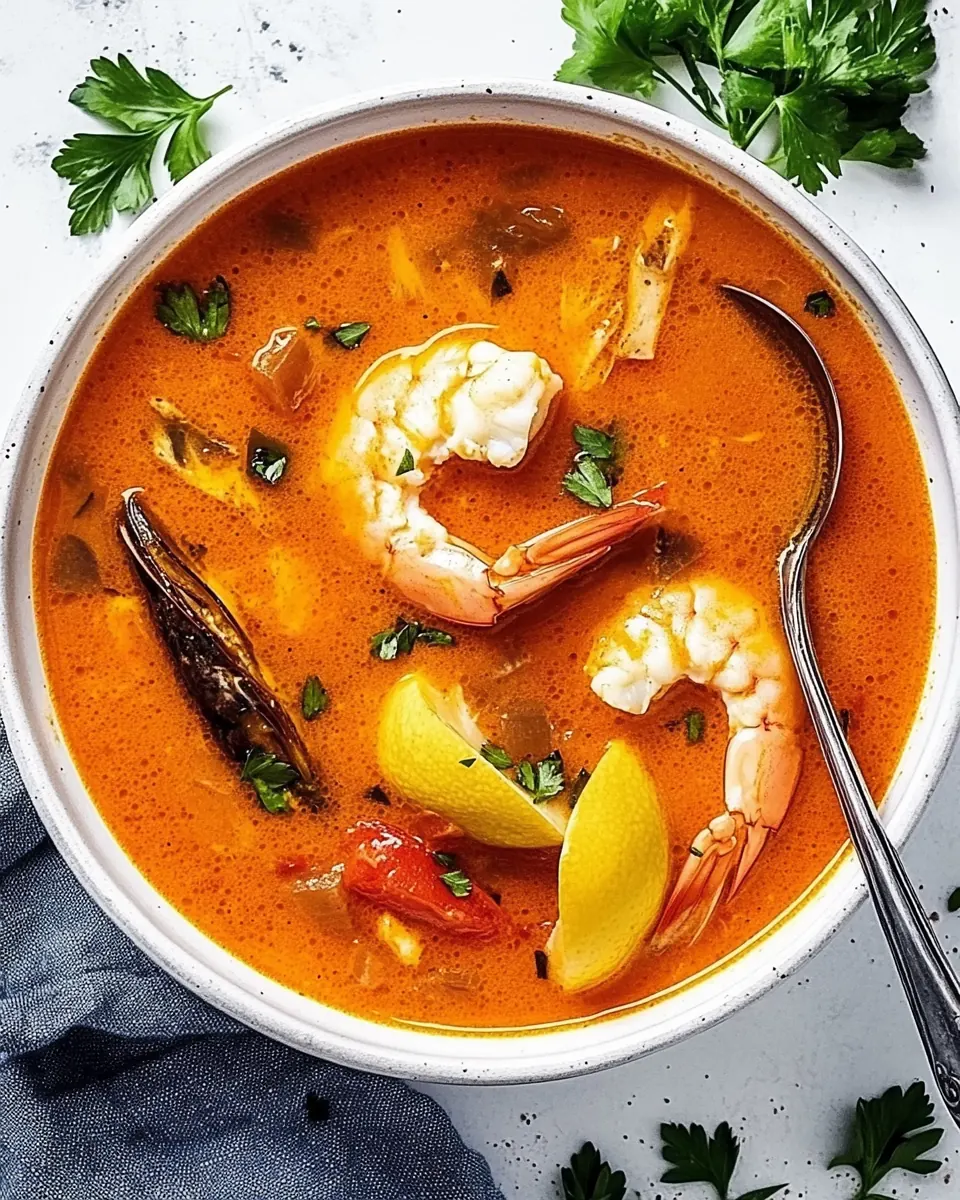
Add the seafood mix and cook, uncovered, until fully cooked.: When the seafood hits the warm broth, you will notice the aroma turn briny and fresh, a bright contrast to the tomato and spice. Cooking uncovered lets steam escape and prevents overcooking, so the shellfish and fish remain tender. Visual cues are important: shrimp will turn opaque and curl slightly, white fish will flake easily with a fork, and mussels will open if present. This step preserves texture because seafood cooks rapidly, and gentle, short cooking keeps it from becoming rubbery. A common error is leaving seafood in too long; if that happens it loses succulence. The remedy is quick monitoring and removing the pot from heat once everything is opaque and firm to the touch.