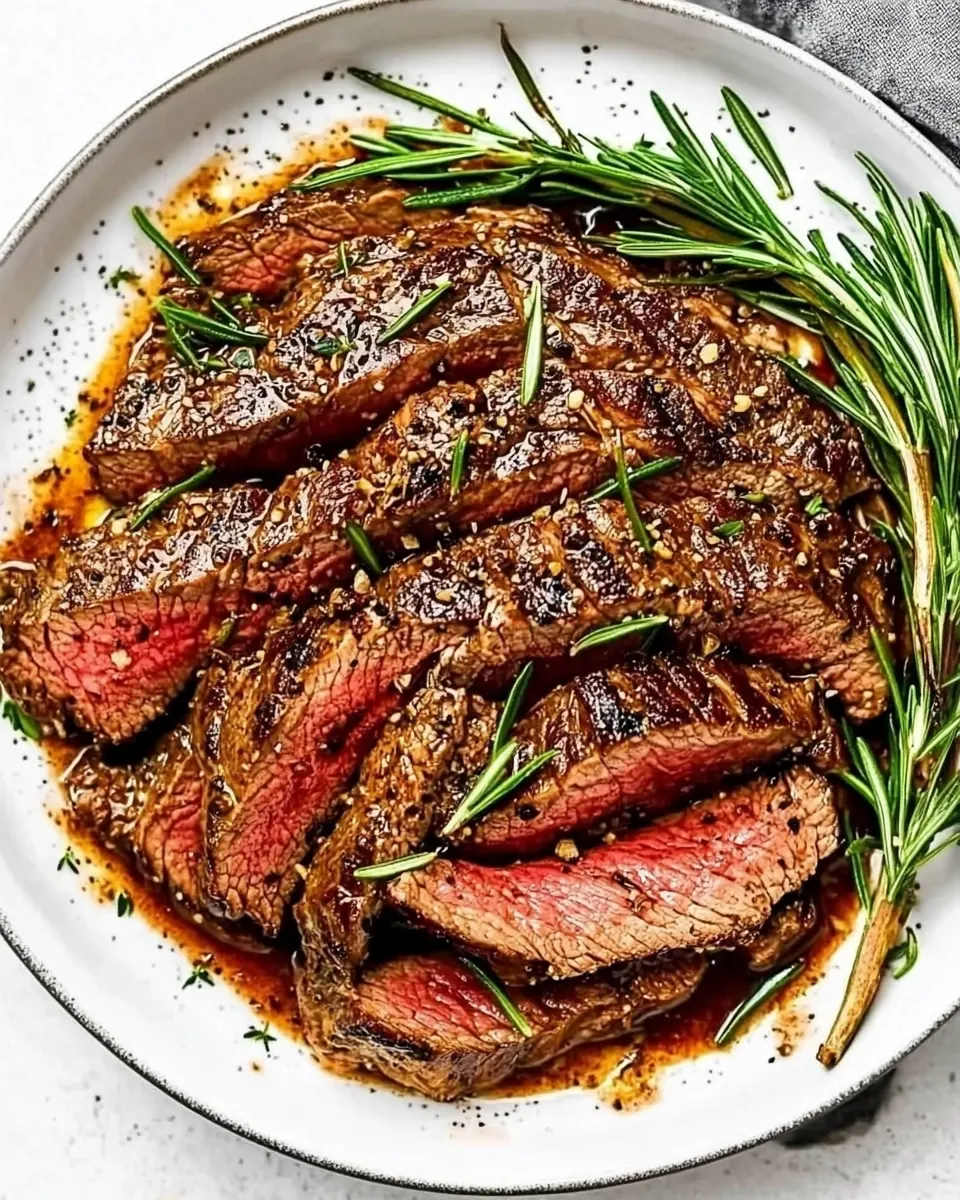
Toss thinly sliced steak with cornstarch and let it sit for 10 minutes.: The moment you toss the steak with cornstarch , you should notice the meat takes on a slightly drier, silky feel that helps it brown faster when it hits the pan. While it rests, you might smell a faint powdery scent turning subtle as the cornstarch adheres. This step helps create a glossy coating and protects the meat from steaming, promoting a savory crust. A common mistake is to skip the rest time; if you do, the cornstarch will fall away in the pan and you will miss out on the velvety sauce texture.
Mix soy sauce, ginger, garlic, salt, pepper, and brown sugar in a bowl for the marinade. Coat the steak with half of the marinade.: As you whisk the soy sauce , grated ginger , minced garlic , salt , pepper , and brown sugar , inhale the bright, spicy aroma from the ginger and the roasted, sweet perfume from the sugar dissolving into the liquid. This mixture brings sweet savory balance and will both season and glaze the meat. I usually taste a little to adjust the sugar or salt, because that small tweak determines if the final sauce leans sweeter or saltier. Avoid adding too much salt at this stage since the soy sauce already contributes sodium.
Sear the steak in olive oil for 2-3 minutes per side until browned. Set aside.: Coating the steak with only half the marinade ensures the pieces pick up immediate seasoning while leaving a reserved portion for finishing the dish, which helps thicken the sauce later. At this point you may notice the meat becoming glossy and slightly darker as it absorbs flavors. Let it sit briefly so surfaces become evenly coated. Do not oversoak the meat, since very thin slices can become overly salty or soggy if left too long.
Stir-fry asparagus and green onions in the same pan for 2-3 minutes.: When the olive oil shimmers and the pan is very hot, place the steak in a single layer; you should hear an immediate sizzling that signals proper searing. As the meat cooks, watch for edges to deepen in color and tiny browned bits to form on the pan surface. Those brown bits, or fond, are flavor gold for the sauce. Flip after the surface is nicely browned, aiming for slightly crisped edges while keeping the interior tender. A common pitfall is overcrowding the pan, which causes steaming rather than searing and prevents that desirable caramelization.
Add the cooked steak back to the pan and pour in the reserved marinade. Stir everything together and cook for 1-2 minutes until the sauce thickens slightly.: Once the steak has a golden crust, transfer it to a plate to rest briefly and preserve juices. While it rests, the meat will relax and stay tender rather than losing moisture on the cutting board or in the pan. The pan will also retain the fond, which is essential for building the sauce when you add vegetables. Avoid leaving the steak on a hot surface too long, as residual heat can overcook the thin slices quickly.
Remove from the heat and serve immediately.: In the same hot pan, add a splash more olive oil if needed and toss in the asparagus and green onions . You should hear bright sizzling and see the vegetables begin to blister at contact points, while colors intensify to a vibrant green. Stir constantly so they cook evenly but remain crisp tender. This brief high heat preserves texture and prevents mushiness. A common error is cooking too slowly, which leads to limp, over softened vegetables.
Add the cooked steak back to the pan and pour in the reserved marinade: When you return the steak to the pan and add the reserved marinade, expect a lively sizzle as the liquid hits the hot surface and begins to reduce. The aroma of ginger and garlic becomes more pronounced as the sauce thickens and clings to the meat and vegetables. Stir immediately to incorporate the fond, which dissolves into the sauce, enhancing depth. If the sauce does not thicken, raise the heat slightly and let moisture evaporate, stirring to avoid burning. A common mistake here is adding too much liquid at once, which dilutes flavor and prevents proper glaze formation.
Stir everything together and cook for 1 to 2 minutes until the sauce thickens slightly: In this final stage you will notice the sauce transform from loose and glossy to a heavier, clingy coating that highlights each ingredient. Keep stirring and watch for a gentle bubbling that signals the sauce is reducing. The pan should emit a rich, savory steam, and the meat should feel hot through without becoming dry. This concentrated moment finishes the flavors and texture. Avoid overcooking beyond this short window, since the thin steak can toughen rapidly once fully heated through.
Remove from the heat and serve immediately: Pulling the pan off the heat preserves the bright color of the vegetables and the tenderness of the steak . Serve straight away so the sauce remains glossy and the textures are at their best. I prefer plating directly from the skillet to keep the juices intact. A typical mistake is letting the dish sit too long before serving, which makes the sauce congeal and the vegetables lose their snap.