Preheat the oven to 350 degrees. Line a half baking sheet (18 x 13 inches) with non-stick foil.: When you step into the kitchen you should feel a warm hum as the oven comes up to 350 degrees, a consistent baseline that ensures even baking across the half sheet. I always let the oven fully preheat so the brownies begin cooking at the right temperature, which helps form that shiny top quickly. You may notice a faint scent from the heating elements as they warm, which is normal. A common mistake is placing the pan in too soon, which can produce uneven texture. Use an oven thermometer if your oven runs hot or cold, and line the half baking sheet with non stick foil so the brownies release cleanly.
Gently melt the butter, 1 pound of chocolate chips, and the unsweetened chocolate in a medium bowl in the microwave.: As these ingredients soften together you will see them transform into a glossy, viscous pool; the aroma of warm chocolate and butter is immediate and intoxicating. I melt in short bursts to avoid scorching and stir between intervals so heat distributes evenly. The goal is a smooth emulsion where the fats and chocolate form one cohesive mixture, which contributes to the shiny crackled top. Overheating will separate the chocolate, causing a grainy texture, so proceed with caution.
Stop to stir at 30-second increments until the mixture is smooth. Allow to cool slightly.: When you stir every 30 seconds you will feel the mixture becoming silkier and cooler with each turn, and you can gauge when the last stubborn bits have dissolved. The sound is quiet, just the whisk or spoon sliding through melted chocolate. If you skip stirring you risk hot spots that scald the chocolate. To troubleshoot, continue gentle stirring off heat until fully smooth; a little patience here prevents lumps later.
In a large bowl, whisk together the eggs, instant coffee, vanilla, and sugar. Stir the chocolate mixture into the egg mixture and allow to cool to room temperature.: Let the chocolate mixture rest until it is warm rather than hot, about the temperature that feels comfortable to the touch on the outside of the bowl. This cooling step prevents the eggs from cooking when combined, preserving a glossy, smooth texture. You may notice steam dissipating and the aroma mellowing slightly. Rushing this step can lead to scrambled eggs in the batter, so wait until it has cooled adequately.
In a medium bowl, whisk together the flour, baking powder, and salt. Add the remaining chocolate chips to the flour mixture and toss.: As you whisk the eggs with instant coffee , vanilla , and sugar the mixture will lighten and develop a ribbon like consistency, with sugar dissolving into the liquid. The scent of vanilla and coffee will become more pronounced, lending depth to the batter. This aeration is important for texture, but overwhipping introduces too much air which can create a cakier result. If you see unmelted sugar granules, keep whisking until smooth.
Add this flour mixture to the cooled chocolate mixture and stir to combine. Pour into the baking sheet and smooth the top with an offset spatula.: Once combined, the batter will take on a luxurious, thick sheen and the color will deepen to an even chocolate brown. I stir slowly to integrate without trapping excess air, and then let it sit until it reaches room temperature so the structure remains stable. The aroma will be concentrated and inviting. If you add warm chocolate too soon you risk cooking the eggs , so patience here avoids a curdled texture. If you see small cooked egg bits, discard and start the egg mixture fresh.
Bake for 20 minutes, then using hot pads, tap the pan against the rack a couple of times to remove any air pockets. Bake for another 15 minutes, until a toothpick comes out clean.: As you whisk the dry ingredients they should look uniformly pale and free of lumps, a signal they will incorporate smoothly. This step ensures the leavening is evenly distributed so the brownies rise consistently on the sheet. The dry ingredients will have a faint, neutral scent compared to the wet mix. Over mixing once combined with wet ingredients will build gluten and toughen the crumb, so keep this step efficient.
Let cool to room temperature on a wire rack then refrigerate. When cold, cut and serve.: Tossing the chocolate chips in the flour coats them, helping them to suspend in the batter rather than sink to the bottom during baking. You will see small dark specks evenly coated, a visual cue that they are ready. This technique improves distribution and creates pockets of melty chocolate in the finished bars. Forgetting this can cause uneven pockets of chips in the pan, so coat well.
Add this flour mixture to the cooled chocolate mixture and stir to combine: When you fold the dry mix into the chocolate base the batter will thicken and become slightly more matte, but remain luscious. Use a flexible spatula to fold gently until no streaks of flour remain, watching the aroma intensify into a warm chocolate perfume. The texture should be thick but pourable; overworking will create a tight crumb. If the batter seems dry, check that you cooled the wet mix properly; too hot a mix can alter texture.
Pour into the baking sheet and smooth the top with an offset spatula: As you pour the batter it will spread slowly into the corners, and smoothing the surface creates an even top for a uniform crackle. Use an offset spatula to remove air pockets and ensure consistent thickness, which impacts bake time. You may hear a quiet settling sound as the batter levels. A common mistake is leaving a lumpy top which results in uneven appearance; take a moment to smooth carefully.
Bake for 20 minutes, then using hot pads, tap the pan against the rack a couple of times to remove any air pockets: Early in baking the surface will set and begin forming that signature glossy shell. After 20 minutes tapping the pan dislodges trapped air and helps the interior settle evenly. You may notice a faint crackle forming on the surface and a rich chocolate scent. Be careful when tapping, use hot pads and a firm but controlled tap. If you skip this step, large air pockets can cause hollow spots, so take the extra second.
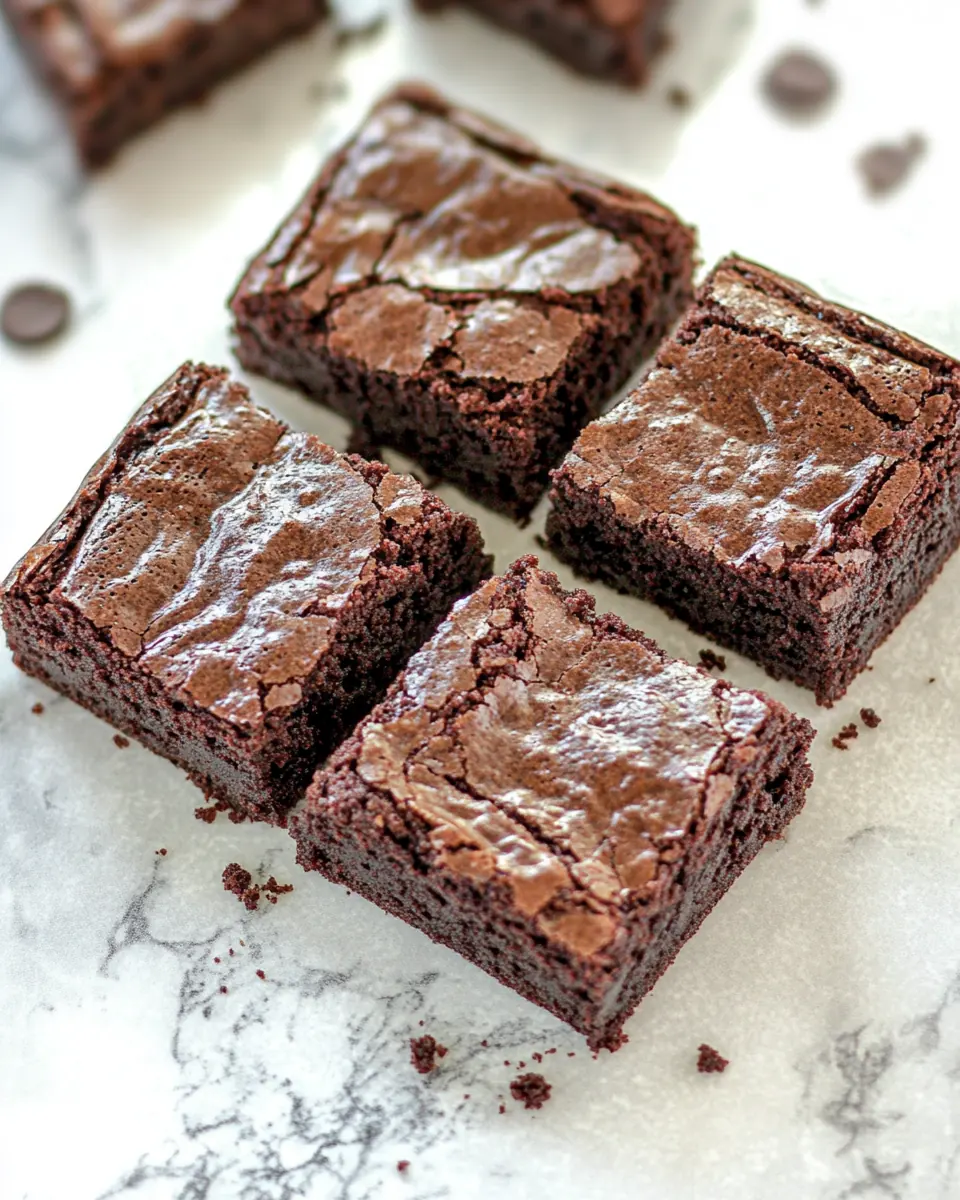
Bake for another 15 minutes, until a toothpick comes out clean: In the final stage the edges will pull away slightly and the center will set, giving a faint jiggle but no wet batter when probed. The top should be glossy and slightly crackled; the smell will be intensely chocolatey and warm. Avoid overbaking which dries the brownies; the internal texture should remain fudgy. If a toothpick shows wet batter, continue baking in short increments and check again.
Let cool to room temperature on a wire rack then refrigerate: Cooling on a wire rack lets air circulate and prevents condensation on the bottom, which keeps the crust crisp. Once at room temperature refrigerate to firm the texture and make slicing clean. You will notice the aroma mellow as it cools, and the surface will dull slightly. Cutting while warm produces ragged edges, so chill thoroughly before slicing.
When cold, cut and serve: After chilling the brownies will slice into neat squares that hold their shape, and the first bite will reveal a glossy top and fudgy interior. I use a sharp knife warmed under hot water then wiped dry for perfect edges. If the knife drags, return the pan to chill a bit longer. Serving cold enhances the fudgy texture and makes them easier to handle.