Preheat the oven to 400 degrees Fahrenheit, and spray a 9 x 13-inch baking dish with nonstick cooking spray.: The air in the oven should feel steadily warm and ready, ensuring even baking and a bubbly, golden top. Set the rack to the center position so heat circulates evenly, which avoids the edges over browning while the center remains underdone. A common oversight is skipping preheating, which lengthens bake time and can make the cheese melt unevenly. If your oven runs hot, peek in early to prevent excessive browning.
Add 1 pound lean ground beef to a large skillet and cook over medium heat until fully browned, about 5 to 7 minutes, breaking up the beef as it cooks. Add 1 cup diced onion and 1 tablespoon minced garlic to the skillet and cook for an additional minute.: As the ground beef sizzles, you should smell rich, caramelized meat notes, and small browned bits will form on the pan surface, which adds depth. When the onion becomes translucent it will release a sweet scent, and the garlic will add a quick aromatic punch. Stir frequently to break the meat into small pieces, which helps the casserole have an even texture. Avoid leaving the skillet unattended, as burning the garlic will introduce bitterness. If you see a lot of liquid pooling, increase the heat slightly to evaporate excess moisture so the mixture does not become soupy.
Add 2 cups uncooked elbow macaroni noodles, 1 (10-ounce) can diced tomatoes, 1 cup milk, and 1 tablespoon salted butter to the skillet and stir to combine. Add 1 cup frozen peas and 1 cup frozen corn and bring the mixture to a simmer.: As you stir, the butter should melt and coat the other components, creating a glossy sheen. The milk loosens the pan fond and helps form a cohesive sauce, while the juices from the diced tomatoes add a bright acidity that cuts the richness. You will notice steam rising as the mixture approaches a simmer, and the frozen peas and corn will begin to thaw and release a subtle vegetal sweetness. Simmer gently so the milk does not scald; if you see small bubbles around the edge, that is the cue to lower heat. A frequent error here is boiling vigorously, which can break down the pasta texture and separate fats, so maintain a gentle simmer.
Once simmering, gradually stir in 1 1/2 cups of the 3 1/2 cups shredded cheddar cheese and reserve the remaining cheese for the top. Season with salt and pepper to taste.: The moment you add the shredded cheddar cheese , it will begin to soften and fold into the mixture, lending a creamy, stretchable quality. The aroma will change to a warm, cheesy note, and the sauce should thicken slightly as the cheese integrates. Stir patiently so the cheese melts uniformly, creating ribbon like swirls in the sauce. If the sauce seems too thin, a little more cheese can thicken it, but add gradually to prevent clumping. Watch the seasoning closely because both the cheese and the canned diced tomatoes can contribute salt; tasting as you go prevents over seasoning.
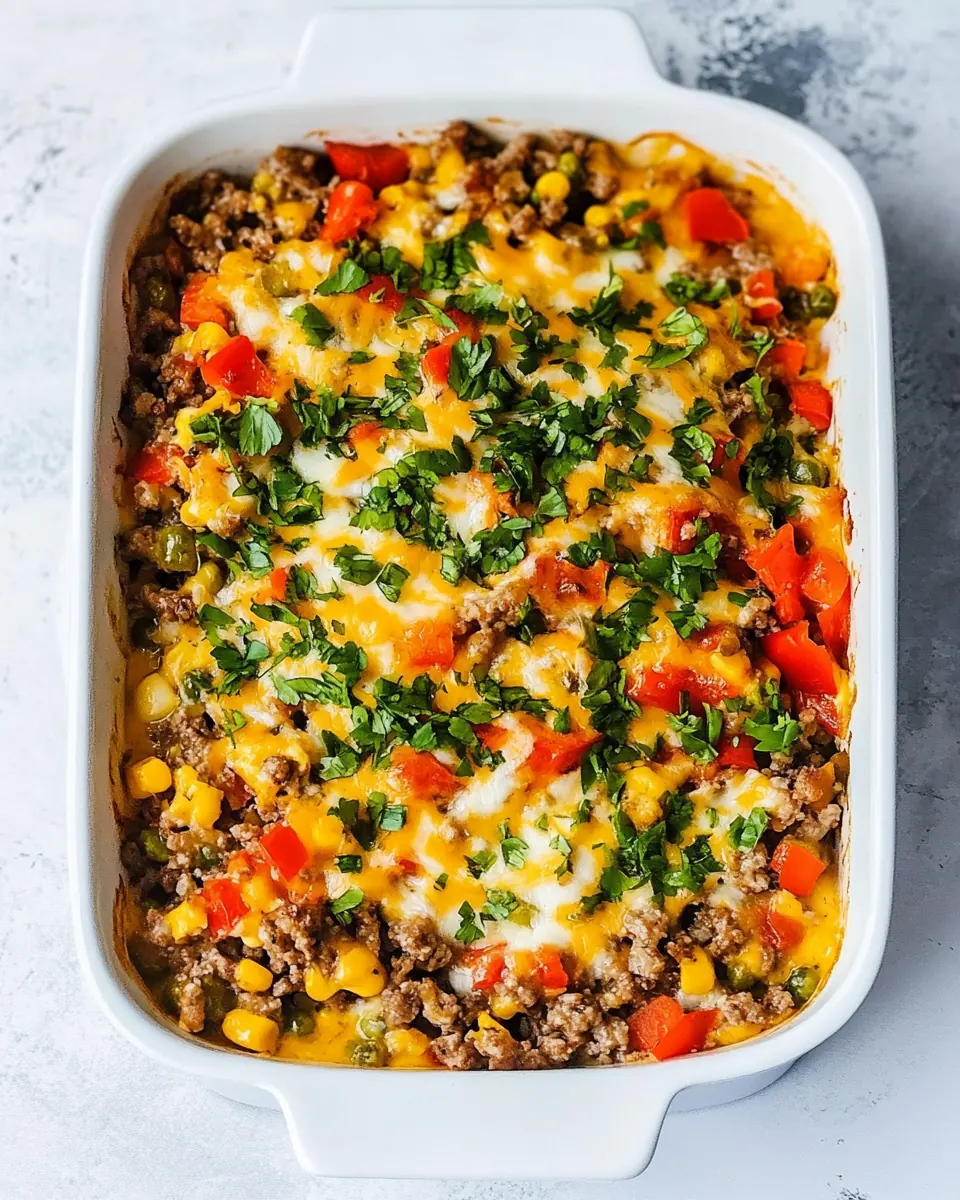
Transfer the mixture to the prepared baking dish and top with the remaining cheddar cheese. Cover with foil and bake for 30-35 minutes, until the cheese is melted and bubbling. Let the casserole sit for 5 minutes before serving.: When you spoon the mixture into the baking dish, spread it evenly so the top bakes consistently. The foil helps trap steam, ensuring the interior heats through while the reserved cheese melts smoothly on top. You will know it is ready when the casserole is visibly bubbling at the edges and the top cheese is melted into a uniform layer. Remove the foil in the last few minutes if you want a slightly browner crust, but keep an eye on it because cheese can brown quickly. A typical misstep is undermining bake time, which leaves the center lukewarm, so test by checking for bubbling near the center.
Let the casserole sit for 5 minutes before serving: After pulling the dish from the oven, a short rest lets the sauce set and makes scooping easier, so the portions hold their shape. You will notice steam rise and an intensified aroma as it cools slightly, and the cheese firms up from molten to pleasantly gooey. Resist slicing immediately, because the filling will be runnier and harder to serve cleanly. The most common mistake is rushing this step and ending up with a messy plate, so give it those extra minutes for a polished result.