In a large bowl, combine all ingredients except for shrimp. Whisk until fully combined.: The bowl will quickly perfume your kitchen with bright citrus and warm garlic. As you whisk, notice the olive oil emulsifying with the lemon juice , creating a slightly glossy mixture that looks cohesive rather than separated. You should hear gentle whisking sounds and see small suspended droplets of oil in the liquid, a sign the emulsion is taking place. This step matters because it ensures every piece of shrimp will be evenly coated, which promotes uniform flavor and browning during cooking. A common mistake is under whisking, which leaves oil pooling and causes uneven seasoning. If you see separation, whisk a bit longer or add a tiny extra splash of olive oil while whisking to bring it together.
Add the shrimp to the bowl and toss to coat evenly with the marinade. Cover and refrigerate for 30 minutes to 1 hour to allow flavors to meld.: When the shrimp hits the bowl, use tongs or your hands to fold them gently, ensuring each piece wears a thin layer of the mixture. You'll feel the slickness of the olive oil and the slightly grainy texture from the minced garlic and dried herbs. The goal is light, even coverage rather than drowning the protein, so toss just until coated. This technique matters because it prevents the shrimp from becoming too soft or sitting in too much acid. A common error is overhandling, which can mush the shrimp ; be gentle and quick when tossing.
Remove shrimp from the marinade and cook using preferred cooking method.: Place the bowl in the refrigerator so the flavors have time to marry and the lemon juice begins to gently work on the surface of the shrimp . You will notice the aroma deepen after chilling, and the marinade will cling more effectively. This resting time is a balance point: 30 minutes gives a bright coating while 1 hour allows more penetration without turning the texture mealy. The reason this matters is that acid can start to partially cook seafood if left too long, so avoid exceeding the upper time if you want tender shrimp . A typical mistake is leaving them overnight, which can make the texture mushy and overly acidic. Keep an eye on the clock and set a timer for reliability.
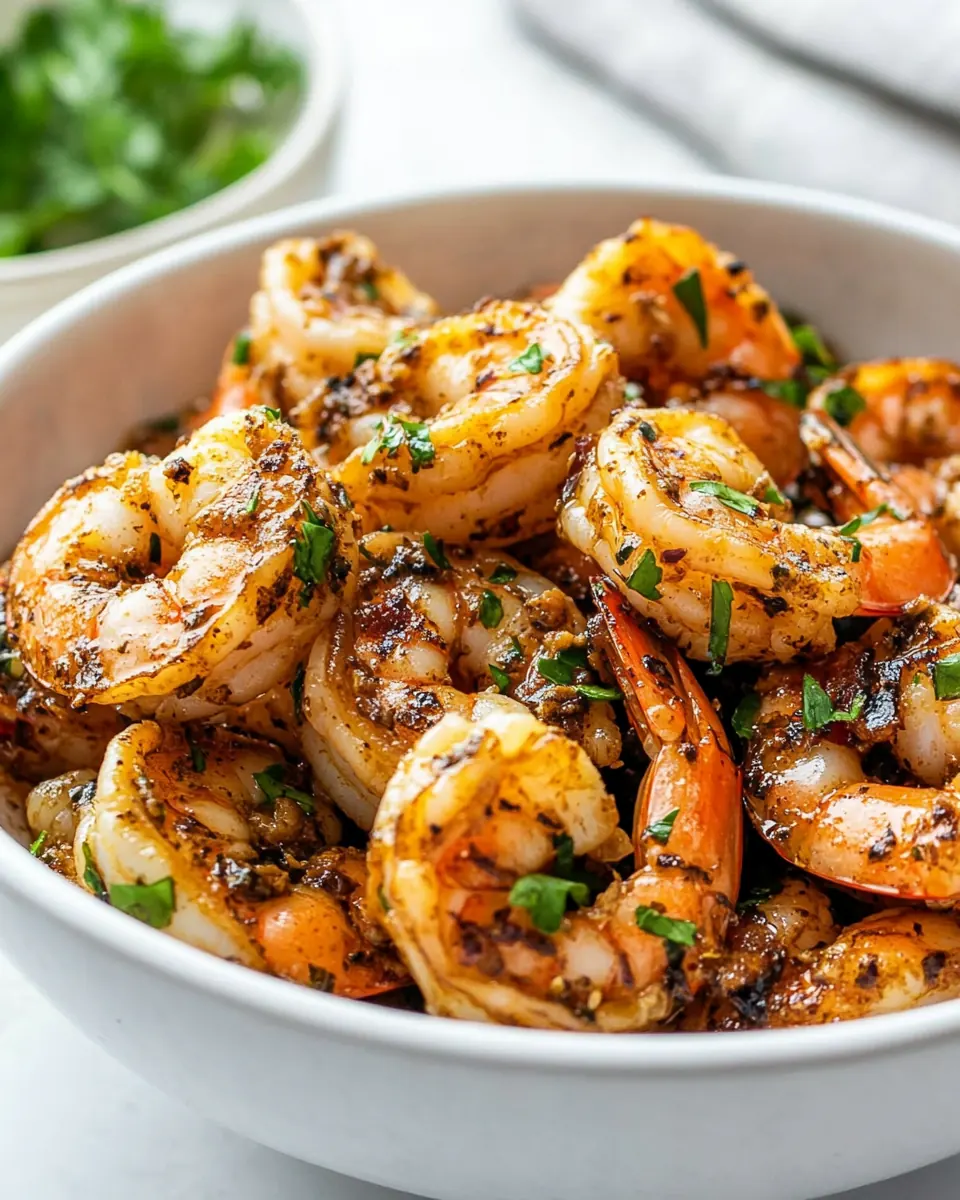
Remove shrimp from the marinade and cook using preferred cooking method: As you take the shrimp from the bowl, let excess marinade drip off so you avoid steaming instead of searing. You will hear an immediate sizzle if you use a hot pan or grill, and the surface should take on a quick, golden edge. The aroma will intensify into caramelized garlic notes and warmed herbs that promise depth. This step is crucial because high heat creates Maillard browning that adds complexity to the final taste. A common error is overcrowding the pan which causes steaming instead of browning; cook in batches if needed, and keep a hot surface to get that desirable color and texture.