In a small bowl, add the cucumber and sprinkle with a few pinches of salt. Allow to stand for 5 minutes to release some of its water. Squeeze in the lime juice and quickly mix in the crema. Salt to taste. Place in the refrigerator while you prepare the rest of the dish.: You will notice the cucumber soften slightly and release a faint, refreshing scent as it sits, the salt coaxing out a mild brine that brightens the vegetable. The lime aroma should be lively, cutting through the cucumber's vegetal notes, while the crema adds a silky texture that binds the mixture. This resting period prevents watery topping when assembled, because the cucumber gives up excess liquid before it meets the crisp tortillas . If the mixture seems too loose, drain a little of the liquid, otherwise the crema will thin and make the tostada soggy. One common mistake is skipping the rest step, which often leads to a wet topping and limp tostada.
In a cast iron skillet (or a sauté pan), add about 1-inch of oil. Heat the oil over medium-high heat; when the oil is hot add the tortillas, in batches, and fry until crispy, flipping them at the 30-40 second mark. Transfer the tortillas to a bed of paper towels and sprinkle both sides with a bit of salt. Repeat frying step with the remaining tortillas.: As the Vegetable oil heats you should see faint ripples and smell a clean warm scent indicating readiness; a small drop of water will sizzle on contact. The tortillas will bubble slightly, then turn a golden tone which signals crispness. The sound is a lively sizzle, and when you flip them you should feel the surface firm under the spatula. Blotting on paper towels removes excess oil while sprinkling Salt right away helps the salt adhere to the warm surface. A typical misstep is overheating the oil, which will brown tortillas too fast and leave them hard instead of crisp, so keep the temperature steady. If tortillas absorb oil, it usually means the oil was not hot enough.
In a saucepan, boil the shrimp for 30-40 seconds, until pink and a bit undercooked (we’re going to toss them with lime juice, which will cook them a bit more). Transfer the shrimp to a cutting board and allow to sit until they’re cool enough to handle. Slice the shrimp in half, horizontally. Add the shrimp to a bowl and toss with a few pinches of salt and the juice from the limes. Transfer to the fridge to chill for 10 to 15 minutes.: The brief cook time creates a delicate, slightly translucent center that will finish firming up with the limes in the next step; you should smell a gentle ocean breeze and see the shrimp turn an inviting coral pink. Cooling them on the board halts cooking and keeps texture tender. Slicing horizontally increases surface area so the citrus can penetrate, offering a more pronounced flavor in each bite. Tossing with Salt and limes brightens the shrimp and gives a subtle ceviche like lift. Overcooking at this stage results in rubbery texture, so watch the clock closely. If the shrimp cook past the ideal point, chilling won't restore tenderness.
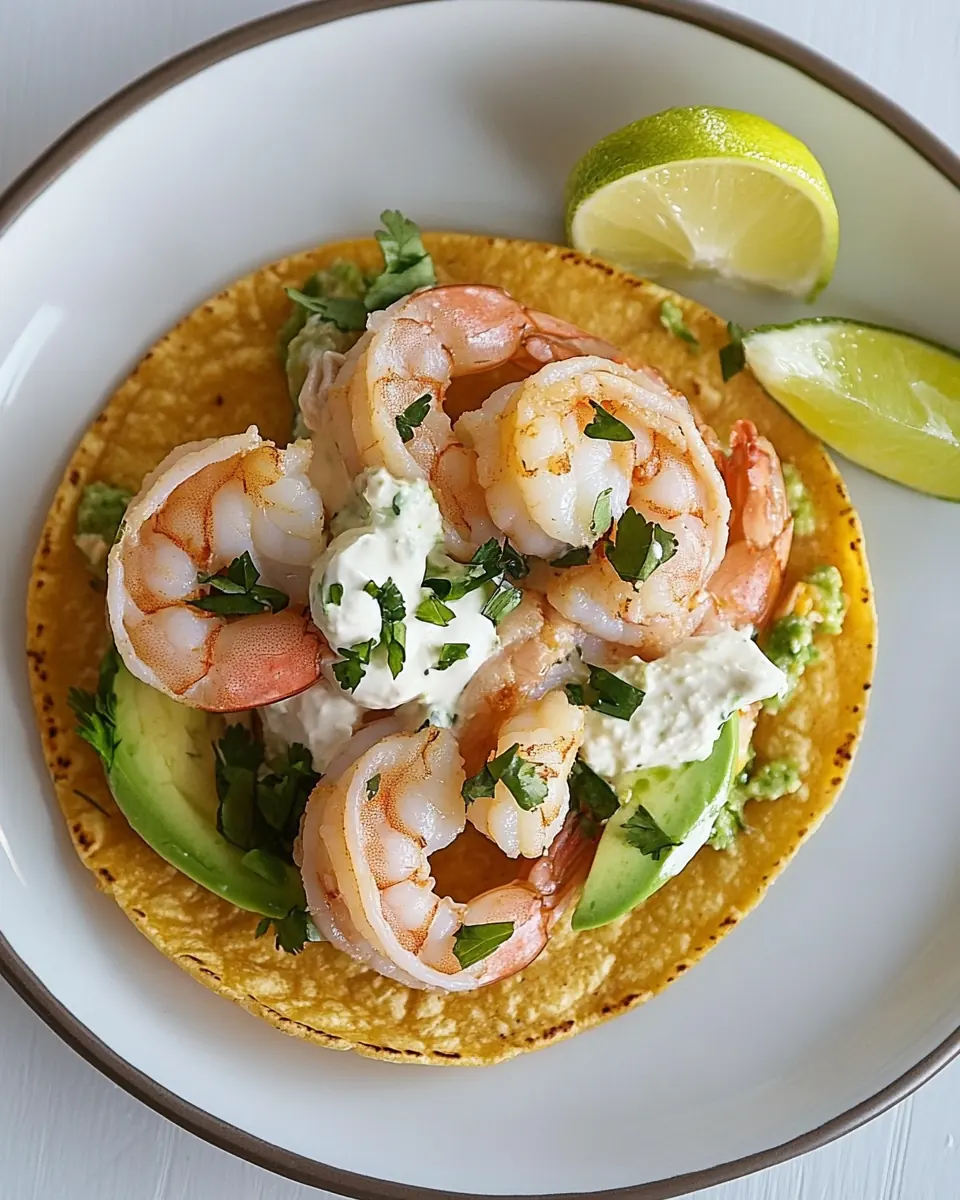
To assemble, add a few tablespoons of crema/avocado sauce to each tostada. Top with a few shrimp, a scoop of diced avocado and a couple dashes of hot sauce. Repeat with the remaining tostadas.: As you start assembling, the first tactile cue is how the warm crisp tortilla meets the cool creamy crema , creating a pleasant temperature contrast that elevates the eating experience. The aroma of citrus from the chilled shrimp should mingle with a faint roasted smell from the fried tortilla. Arrange the shrimp so they sit evenly to keep each bite balanced, and nestle the diced avocado so it adds cream without overpowering. A few drops of Hot sauce will give a color pop and a spicy lift. The biggest assembly mistake is piling too many wet toppings on a single tostada, which makes it soggy; instead, distribute toppings lightly and enjoy the interplay of textures.