Add the oil and butter to a soup pot over medium-high heat. Sauté the onion and celery for about 7-10 minutes or until it starts to lightly brown.: The room will begin to fill with a warm, buttery scent as the olive oil and butter melt together, creating a glossy surface ready for the aromatics. You should see small ripples on the oil surface but no smoking, which indicates the temperature is well controlled. This fat combination protects the onion and celery from sticking and encourages even browning, enhancing savory notes. Watch for foaming or dark flecks, those are signs of burning; if they appear, lower the heat and wipe the pan briefly before continuing.
Stir in the garlic and cook for 30 seconds.: As the onion and celery soften, you will notice a sweet aroma and a translucent appearance, with occasional golden edges forming. The gentle browning adds caramelized flavor that deepens the soup, so be patient and stir occasionally. If you rush with too-high heat the vegetables will char and develop a bitter edge, which can throw the whole soup out of balance. Aim for a gentle sizzle, not a roar.
Add in the broth, Italian seasoning, broccoli, and potatoes. Increase the heat to high and bring the soup to a boil. Reduce the heat so it's simmering rapidly, cover the pot with the lid slightly ajar, and cook for 20-25 minutes or until the potatoes and broccoli are tender. It's ok if the broth isn't completely covering the broccoli.: A quick burst of roasted garlic fragrance will emerge, sharp and inviting, as the minced garlic hits the hot fat. This short cooking time mellows the raw bite while preserving aromatic brightness. Avoid letting the garlic linger too long in the pan, because it can brown rapidly and turn bitter, which would hollow out the earlier sweetness developed from the onion .
Blend in the pot using an immersion blender or transfer the soup to a regular blender (you might want to let it cool a bit first).: When the liquid meets the vegetables you will hear a soft clinking and a rising steam that carries herbal and green notes. The broth should be poured so it deglazes the pot, lifting any browned bits for more flavor. The pieces of broccoli and the diced potato will bob in the liquid; their starch and flavors begin to meld as they heat. If you crowd the pot, the vegetables may steam unevenly, so give them space to simmer freely.
Stir in the cream and season with salt & pepper as needed (I am quite generous with both).: The liquid will shift into an energetic bubble and the aroma will intensify, a sign that the cooking has moved from gentle warming to active extraction. This rapid movement encourages the potato to break down and the broccoli to soften through and through. Keep an eye on the boil, because an aggressive roll can cause foaming or boilover; lower the heat once the soup reaches that lively state.
Reduce the heat so it is simmering rapidly, cover the pot with the lid slightly ajar, and cook for 20 to 25 minutes or until the potatoes and broccoli are tender: The simmer should be audible as a steady, gentle bubbling, not a furious churn. This is where the textures develop, the potato shedding starch and the broccoli turning a tender, deep green. The slight vent in the lid helps regulate moisture, preventing a flat broth. A common mistake is undercooking the vegetables, which leaves the potato grainy and the broccoli fibrous, so test with a fork—both should yield easily.
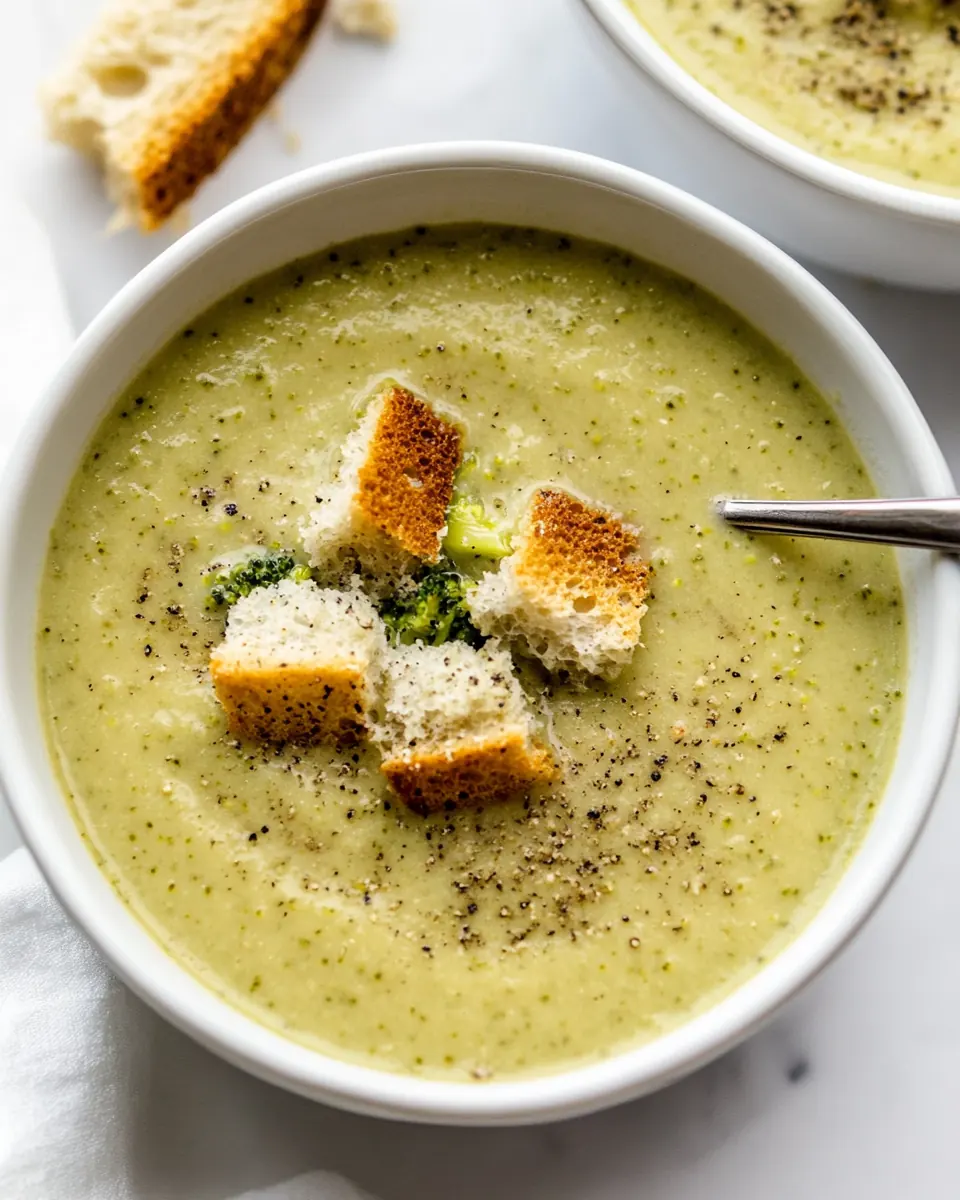
Blend in the pot using an immersion blender or transfer the soup to a regular blender: As you blend, the soup will transform from a chunky medley into a unified, fragrant slurry of green and gold. The sound changes to a steady whirr and the aroma becomes more concentrated, with vegetal sweetness at the forefront. If using a regular blender, let the soup cool slightly and blend in batches to avoid pressure build up; always hold the lid with a towel and vent slightly. Overblending can make the texture too velvety for some, while underblending leaves larger bits, so blend to your preferred consistency.
Stir in the cream and season with salt & pepper as needed: When the cream joins the hot soup, the surface smooths and the scent becomes noticeably richer and rounder. Add the cream gradually and taste, because it will mute and meld the flavors, allowing you to fine tune seasoning. If you add it over very high heat the dairy can separate, so warm gently and avoid boiling after the cream goes in. Take care not to over-salt; taste first, then add small pinches until the balance feels right.