Preheat the oven to 400° F. Bring a large pot of water to a boil, season generously with kosher salt and cook the pasta just until al dente. Drain and place back in the pot or into a large bowl.: When the water first hits a rolling boil you will smell the mineral tang from the salted pot, and the rhythm of a gentle boil signals it's ready for the pasta . The steam rising will fog your glasses if you wear them, and when you add the pasta you should hear vigorous bubbling that settles into a steady simmer. Cooking to al dente means the pasta will be slightly firm to the bite, which is crucial so it does not become mushy once mixed with the hot sauce and baked. Overcooking here is a common mistake, so set a timer for a minute or two less than the package suggests and taste a piece for the correct chew. After draining, rinsing is unnecessary, as you want the sauce to cling to the warmed surface, but toss the drained pasta with a small pat of butter if it looks sticky to prevent clumping.
While pasta is cooking, in a large, high-sided non-stick skillet over medium high heat, melt 1 tablespoon of butter and add the panko breadcrumbs. Season with the garlic salt and stir the breadcrumbs often until golden, toasted and fragrant. Transfer immediately to a small bowl and set aside.: As the butter liquifies it will foam slightly and carry the aroma of toasted fat. Add the panko and you should hear a gentle sizzle as the crumbs begin to brown; the scent will shift to a warm, toasty note in less than a minute. Stir constantly so the crumbs brown evenly and avoid burning, because burnt crumbs turn bitter quickly. Once golden, transfer them right away to stop carryover cooking. A frequent error is to leave the crumbs in the pan, which will continue to darken; move them to a cool bowl to preserve their perfect color and crunch.
To roast the cauliflower, in the same skillet, melt 3 tablespoons of butter. Add the garlic and cook for 30 seconds or until fragrant. Add the cauliflower to the pan, reduce the heat to medium and cook for 5 minutes, stirring occasionally, and add 1/4 cup water. Cook for another 5-7 minutes or until the cauliflower is softened and caramelized. Season with kosher salt and freshly ground black pepper, then add to the pasta.: When the butter melts for this step, it will smell rich and inviting; the pressed garlic will bloom immediately releasing a sharp, savory perfume. As the cauliflower hits the pan, it should hiss softly, and the first few minutes will be about coaxing a light char and browning on the florets. Adding the splash of water helps create steam that softens the centers while the edges continue to caramelize. Keep the heat at medium so you get those brown edges without burning the garlic . You will know it's done when the florets have a tender bite and golden spots appear, with a nutty aroma rising. A common pitfall is stirring too often, which prevents browning; let the pieces sit for short intervals so they can color properly before turning.
To prepare the cheese sauce, wipe the skillet clean and melt the remaining butter in the same skillet over medium heat. Add the flour and whisk to combine, cooking for about 3-4 minutes, until the flour mixture becomes light brown in color. Add the milk while whisking and cook for about 5-8 minutes or until the sauce thickens and coats the back of a spoon, whisking often.: As you start the roux, the raw flour smell will vanish and be replaced by a toasty, nutty scent as the mixture takes on a light brown hue. Whisk constantly to create a lump free base, and when you add the cold or room temperature milk , pour slowly while whisking to emulsify. The sauce will move from thin and glossy to slowly thickening; look for a velvety texture that coats a spoon, leaving a visible line when you run your finger across it. If the sauce is too thin, simmer a touch longer, but if it gets too thick, temper in a splash more milk . A frequent error is rushing and adding cold milk too quickly which can cause lumps, so pour gradually and keep whisking.
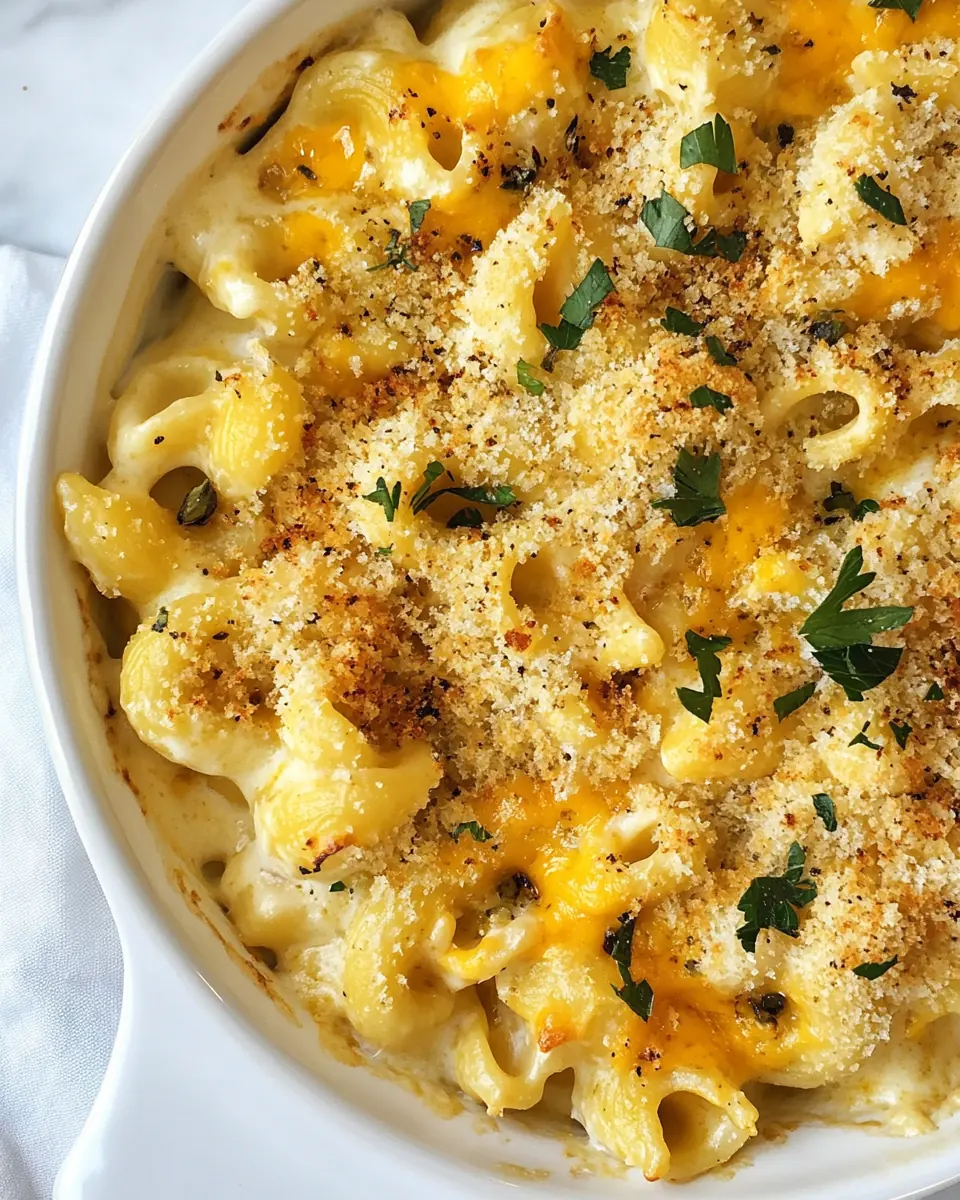
Once the sauce has thickened, turn off the heat and stir in the cheeses until melted. Pour over the pasta and cauliflower and stir to combine, getting the cheese in all of the nooks and crannys of the pasta. Transfer the mac and cheese mixture back to the skillet and sprinkle with the toasted panko crumbs. Bake in the oven for about 5-10 minutes, tenting the top with aluminum foil if the panko crumbs start to become too browned, and serve.: The residual heat will melt the shredded cheese into a glossy, rich sauce; you will notice a smooth sheen and the scent of warm cheese filling the kitchen. Stir gently so the sauce thoroughly coats the pasta and envelopes the roasted cauliflower ; aim to tuck the sauce into shell cavities so each bite is saucy. If the sauce cools and becomes slightly thick before spreading, return the skillet to very low heat for a moment while stirring to loosen it up. A common mistake is overheating which can cause the cheese to separate, so turn the heat off before adding the shredded cheese and rely on residual warmth to finish melting.
Bake in the oven for about 5-10 minutes, tenting the top with aluminum foil if the panko crumbs start to become too browned, and serve.: Sliding the skillet into a preheated oven will coax the sauce to bubble at the edges and the panko to toast further, creating an appealing contrast of textures. Watch the top closely; you want the crumbs golden and the edges of the sauce to show small bubbling points. The aroma of browned cheese and crisped crumbs will be unmistakable, warm, and inviting. If the top edges brown faster than the center, tent loosely with foil to prevent overbrowning while the center finishes. A misstep here is leaving it too long which dries the sauce; aim for a short bake just to meld flavors and finish the texture, then let it rest a few minutes before serving so the sauce sets slightly.