In a large skillet melt the butter over medium heat. Add the onion and garlic and cook for a couple minutes until the onion softens.: The kitchen should fill with a warm, buttery scent almost immediately, the sound a faint settling as the butter liquefies. Melting unsalted butter over medium heat prepares a slick surface for the onion and garlic to sweat without browning too fast, which is essential so the aromatics become sweet and fragrant instead of sharp. You want the butter to shimmer but not smoke, which indicates you are at the right temperature. If it browns quickly, reduce the heat and start again to avoid burnt notes that will make the sauce bitter. A common mistake is turning the heat too high, which wilts the butter and ruins the subtle base you need.
Stir in the mushrooms and season with salt, pepper, Italian seasoning and red pepper flakes. Cook for about 5 minutes until the mushrooms cook down a bit and start to brown.: You will hear a gentle hiss as the vegetables hit the skillet, and the onion should become translucent and tender in about two to three minutes. The aroma will shift toward sweet and savory, and the garlic will perfume the pan. Softening rather than browning preserves the mellow flavor that complements the creamy sauce, so stir frequently to cook evenly. If you notice any bits turning dark, lower the heat and stir more often to prevent a bitter edge. A typical slip here is rushing to high heat, which crisps the onion instead of releasing its sweetness.
Sprinkle the flour over the mushrooms and stir. Stir in the chicken broth and milk. Add the mafalda pasta, stir and cook for about 8 to 10 minutes or until the pasta is cooked through. There should be enough liquid but if you find that the pasta is not cooked enough and all the liquid is gone, add a bit more chicken broth.: As you add the chopped mushrooms , they will release moisture and create a deeper, earthy aroma. The pan may hiss more as liquid evaporates and the mushrooms begin to brown, giving small golden edges that intensify their flavor. Seasoning at this stage allows the salt to help draw out moisture while the herbs and red pepper flakes infuse their fragrance. Keep the heat at medium to medium high so the mushrooms can reduce and take on color without becoming soggy. If too much liquid pools, lift the pan off the heat briefly to encourage evaporation. A common error is overcrowding the skillet, which steams the mushrooms instead of browning them, so give them space to cook.
Stir in the ricotta and Parmesan cheese, then add the spinach and stir. Cook for another minute until the spinach cooks down.: You should see the mushrooms shrink and develop darker edges, and the pan will smell nutty and rich. This browning adds a caramelized note that complements the creamy cheeses later. Stir occasionally so that pieces brown evenly, and watch for any sticking that signals you need to reduce heat or add a splash of broth. If you skip this step, the final dish loses some depth of flavor, because unbrowned mushrooms stay bland and watery.
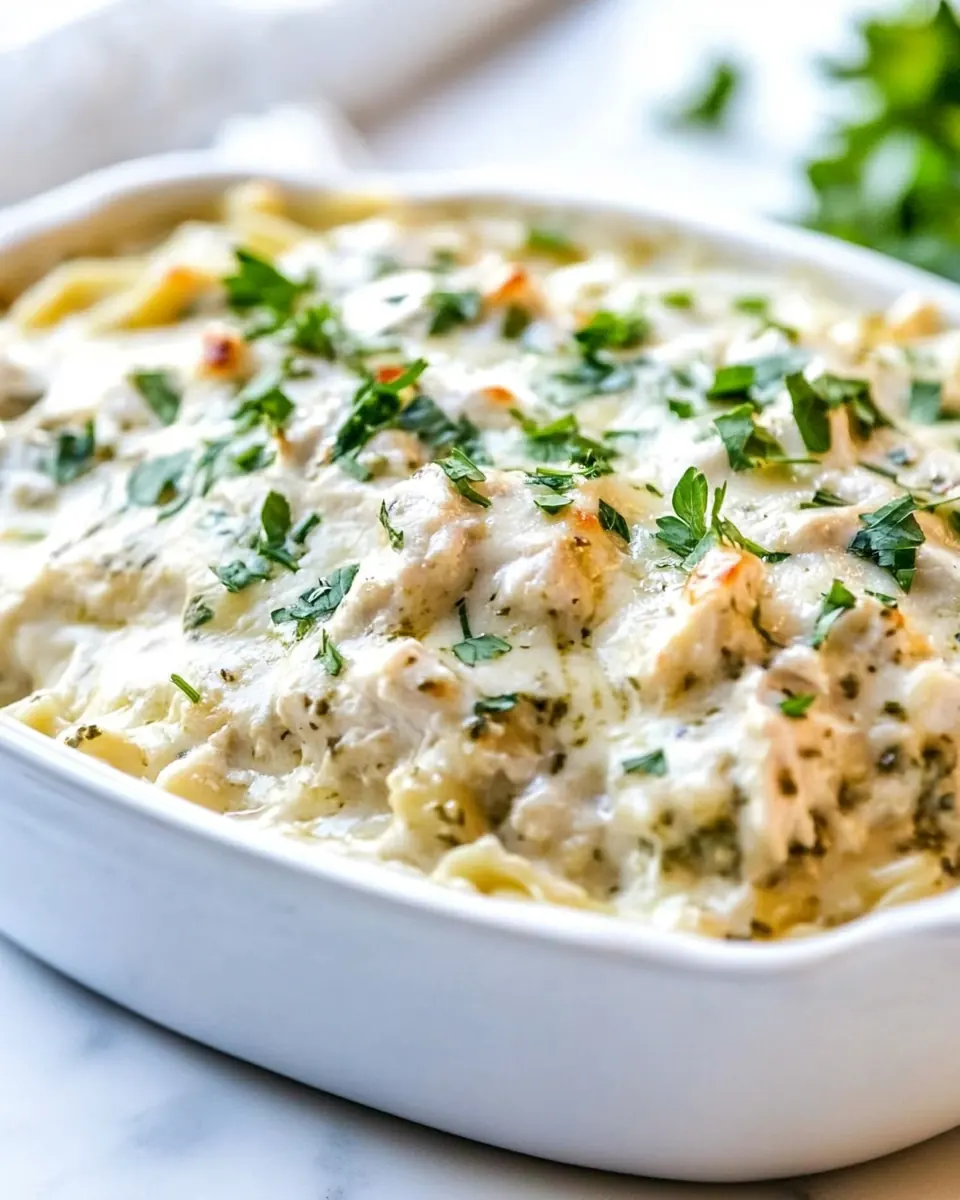
Stir in the chicken and sprinkle with mozzarella cheese. Place the skillet under the broiler for a couple minutes to melt the cheese.: The dry dusting of flour will look like a light coat on the vegetables, and stirring it in will create a pasty stage that cooks out the raw flour scent. This is the thickening moment for the sauce, and you want to cook the flour just long enough that it smells toasty rather than raw, usually a minute or two. Doing this prevents a floury aftertaste and ensures the sauce develops body as liquid is added. If lumps form, push them against the skillet surface with a spoon to loosen them, and stir vigorously to smooth things out. A typical mistake is not cooking the flour long enough, resulting in a chalky texture.
Garnish with chopped parsley and serve.: Pouring in the chicken broth and milk will transform the pan into a simmering sauce, and you should hear a steady, gentle bubbling as the mixture comes together. The broth provides savory depth while the milk lends creaminess, and together they thin the cooked flour into a velvety base. Bring to a gentle simmer to activate the thickening power of the flour, stirring to ensure the sauce is smooth. If you notice any separation or the sauce is too thin, continue simmering to concentrate flavors. Avoid boiling vigorously, which can break the milk down and cause an undesirable texture.
Add the mafalda pasta stir and cook for about 8 to 10 minutes or until the pasta is cooked through: As the pasta hits the sauce it will initially float then become nestled in the liquid. You will see the sauce thicken and cling to the noodle ridges as the pasta absorbs liquid, and the aroma becomes fuller and creamier. Stir periodically to prevent sticking and to ensure each piece cooks evenly. If the pasta is not fully tender when the liquid is nearly gone, add more chicken broth , a little at a time, to finish the cook without drying the pan. A common misstep is walking away during this stage, which can cause sticking or unevenly cooked pasta.
There should be enough liquid but if you find that the pasta is not cooked enough and all the liquid is gone add a bit more chicken broth: When you test a piece of pasta it should be tender with a slight bite, not chalky in the center. If the pan becomes dry before the pasta reaches that stage, the sauce will turn gummy and the texture will suffer. Adding additional warm chicken broth keeps the cooking environment moist and allows the pasta to finish perfectly, while preserving the creamy consistency you want. Avoid adding cold liquid straight from the fridge, which can shock the pan and interrupt the gentle simmer. One mistake people make is adding too much liquid at once, which dilutes flavor, so add small amounts and stir in between.
Stir in the ricotta and Parmesan cheese then add the spinach and stir: Folding in the ricotta and Parmesan enriches the sauce with a tangy creaminess and nutty umami, while the added spinach wilts quickly and brightens the mixture visually and flavor wise. You will notice the sauce becoming thicker and silkier, and the spinach will collapse in a minute, releasing a fresh scent that balances the dairy. Stir gently so the ricotta disperses without breaking into grainy pieces, and allow the Parmesan to melt so it melds into the sauce. A common error is adding the cheeses over high heat, which can cause separation; keep the pan at low to medium to maintain a smooth consistency.
Cook for another minute until the spinach cooks down: The sound will be a soft simmer and the sight a glossy, compacted bed of spinach . This brief cook ensures the leaves are tender but still bright, preventing a mushy texture that masks the other elements. Quick wilting melds the greens into the creamy sauce, giving pleasant green flecks throughout the dish. If the spinach looks slimy rather than wilted, that is a sign of overcooking, so remove the pan from heat promptly.
Stir in the chicken and sprinkle with mozzarella cheese: Folding in the shredded chicken warms it through and lets it soak up the sauce, contributing to the hearty body of the dish. The moment you sprinkle the shredded mozzarella across the top, the aroma shifts toward a toasty, melty note that makes the whole skillet feel indulgent. The cheese will begin to soften into glossy ribbons that promise satisfying stretch. If the chicken was overcooked earlier, it can dry out here, so ensure it is gentle warmed rather than boiled. A misstep to avoid is stirring excessively after adding the mozzarella, which can cause it to clump rather than form a unified top.
Place the skillet under the broiler for a couple minutes to melt the cheese: Under the broiler the surface will bubble and the mozzarella will develop light golden spots, signaling it is ready. Watch closely because cheese can go from perfectly melted to over browned quickly, and you want a few caramelized edges but not blackened patches. Broiling adds texture contrast, producing a slight crisp on top while leaving the sauce beneath luscious. If your skillet handle is not oven proof, transfer to an oven proof dish first. A frequent error is leaving the broiler unattended, which can turn the attractive golden top into an overly charred mess.
Garnish with chopped parsley and serve: Freshly chopped parsley scattered over the melted top brings a fresh herbal note and a visual pop of green that balances the creamy colors. Serving straight from the skillet keeps the meal communal and cozy, and you will notice the steam rising with a warm, inviting aroma. Let the dish sit a minute so the sauce settles slightly, making it easier to plate. A common mistake is serving immediately when it is too hot, which can mask delicate flavors and make it uncomfortable to eat.