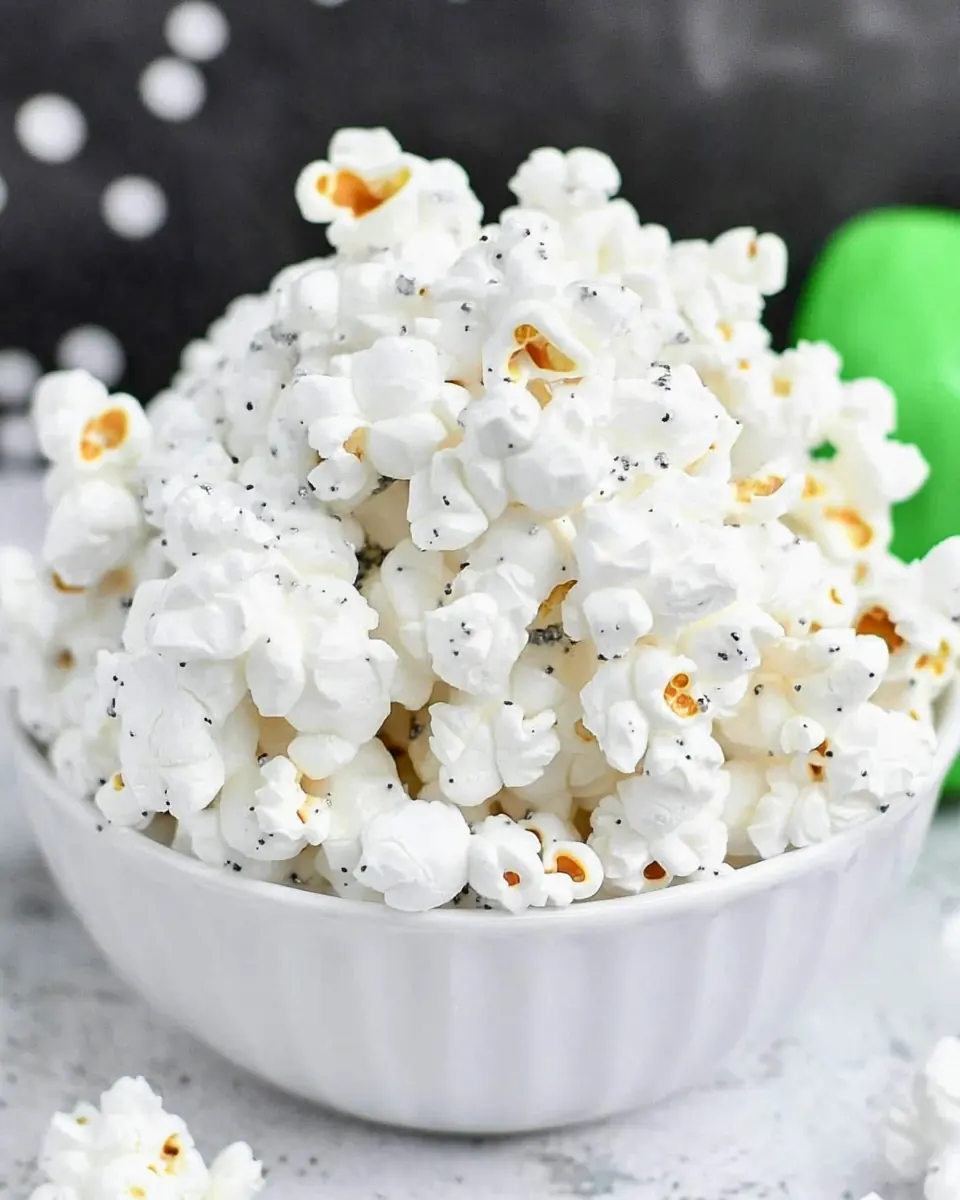
Pour popcorn into a large bowl.: The moment you tip the popped popcorn into a large bowl you can hear the airiness and see how much surface area you have to coat, which is important for planning. The popcorn should sound crisp and look fully popped, with few unpopped kernels. If you used prebagged popcorn, shake it lightly to break any clumps so the coating reaches every kernel. A common mistake here is using a bowl that is too small, which makes stirring messy and leads to uneven coverage.
Melt brown sugar and butter together in a saucepan over medium heat, stirring often. Stir in marshmallows until melted and smooth. Stir in green food coloring until the color is evenly distributed.: As the butter melts and the brown sugar dissolves, you will notice the mixture becoming glossy and aromatic, releasing a warm, caramel like scent. Stirring prevents scorching and ensures that the sugar fully dissolves into the fat, which is why I keep the heat moderate. If the heat is too high the mixture can burn quickly, giving a bitter note, so watch closely and stir frequently to maintain an even temperature.
Pour mixture over popcorn and stir until evenly coated. Spread out on a parchment paper lined baking sheet to set up (you can spray your hands with cooking spray to help spread out).: Once the sugar and butter are married, add the marshmallows and stir continuously; they will quickly collapse into a glossy, viscous mass that clings to your spoon. The texture should go from pillowy chunks to a satiny ribbon, and the scent will shift to sweet and toasty. This transformation is what creates the binding matrix for the popcorn, so complete melting is essential. Overcooking at this stage can make the mixture stiff and hard to spread, so remove from heat as soon as it is smooth, and one trap is not stirring enough, which can leave chunks and cause uneven coating.
Sprinkle in candy eyeballs and allow to cool and set up.: Adding the green food coloring while the marshmallow mixture is still hot allows the dye to blend seamlessly, turning the glaze into that unmistakable slime hue. Start with a few drops and fold them in, you will see the color deepen as you stir; pause and add more if you need it. If you add too much at once you risk streaks or a darker shade than intended, so gradual addition helps you control the look. The mixture will remain glossy and slightly fluid, perfect for coating.
Pour mixture over popcorn and stir until evenly coated: When you pour the warm, glossy coating over the popped popcorn , you will hear a soft sizzling whisper as the hot glaze meets the crisp kernels, and the aroma will be rich and sweet. Use a wide spatula or wooden spoon to fold the coating through the popcorn so each kernel gets a sheen without becoming clumped. Work quickly but gently, because the marshmallow sets as it cools. One common error is over mixing and crushing the popcorn, so scoop and fold from the bowl edges to preserve texture.
Spread out on a parchment paper lined baking sheet to set up: Spreading the coated popcorn onto a parchment lined sheet gives it space to cool and firm up into pieces that are easy to grab. The coating should lose some tackiness and take on a slightly firmer bite as it cools, and you will notice the sheen dull a touch. If you press the mixture too firmly you will compact the kernels and lose the airy crunch, so spread with airy motions. For easier handling, you can spray your hands lightly with cooking spray if you need to pat and shape the clusters, but avoid packing them tightly which prevents proper setting.
Sprinkle in candy eyeballs and allow to cool and set up: The final touch is scattering the candy eyeballs while the coating is still tacky so they nestle in place and stay attached. As the tray cools the eyes will sit atop the glossy slime and add personality to each cluster. Let the sheet rest until the texture is mostly set to the touch, typically when it no longer leaves residue, before transferring to a serving bowl. A frequent misstep is waiting too long to add the eyes, which leads to them sliding off, so time this step to the point when the glaze is tacky but not liquid.