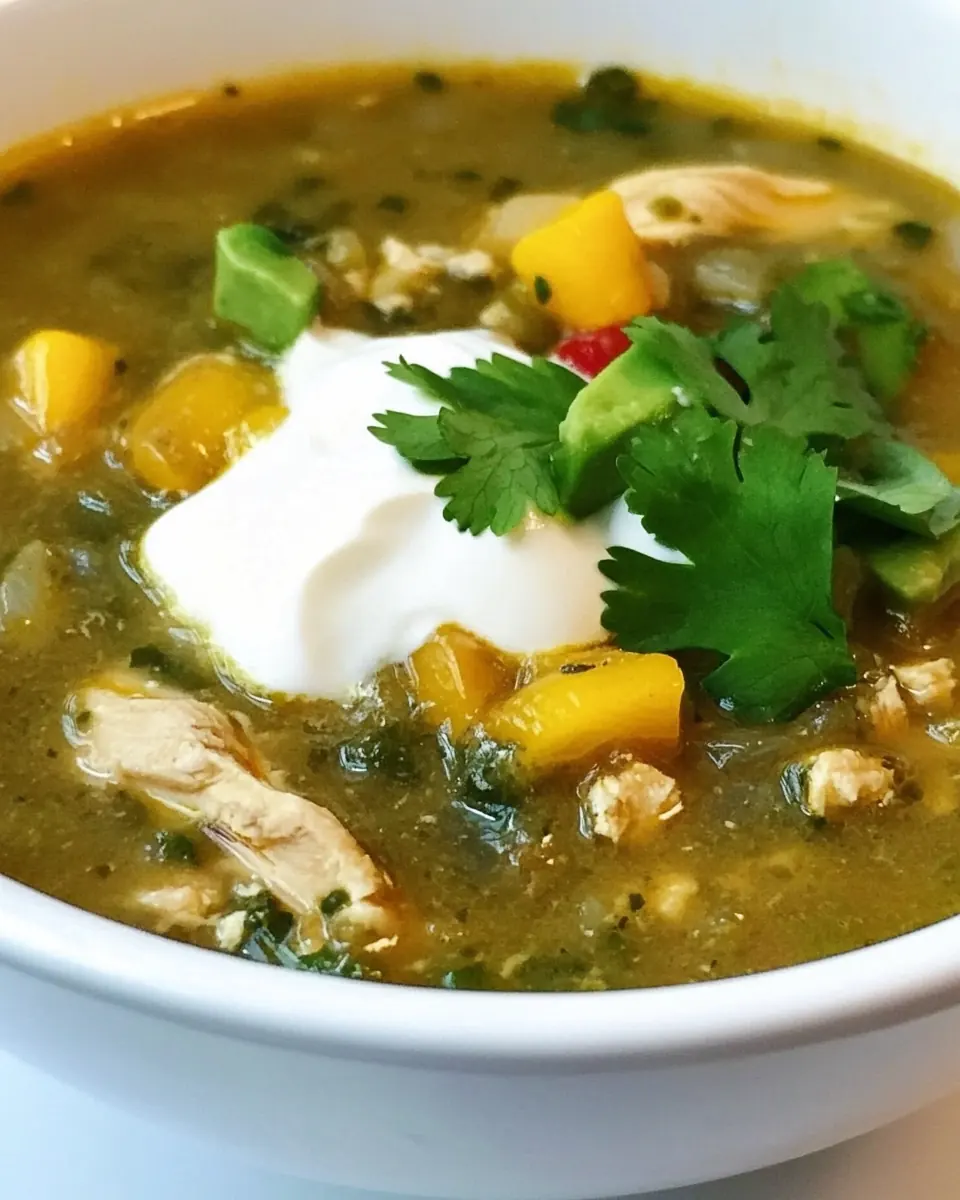
Combine the chicken, salsa verde, stock, cumin, oregano, and bell pepper in the slow cooker and stir. Cook for 6 to 7 hours on low heat, or 3 to 4 hours on high heat. Add avocado pieces to serve. This Chicken Chili Verde can be topped with a dollop of nonfat sour cream or nonfat Greek-style yogurt.: When you first scoop these ingredients together, you should notice an aromatic lift from the cumin and oregano, and a green, slightly acidic brightness from the salsa verde. The chicken pieces will be slick with the salsa, and the bell pepper will sit firm and colorful among the ingredients. Stir gently so everything is evenly distributed; this ensures each piece of chicken is coated and will absorb flavor as it cooks. A common mistake here is overcrowding or adding unevenly sized chicken pieces, which leads to inconsistent cooking. If you hear a quiet shift as you stir, that means ingredients are settling. The why is simple, even contact equals even flavor infusion.
Bring 6 cups of water with 1 1/2 teaspoons salt to a boil. Add the tomatillos, garlic, jalapeno, and onion and allow to boil for about 2 to 3 minutes, until the tomatillo has softened. Strain out the water. Puree the tomatillos, garlic, and onion in the blender on high until smooth. Add in the cilantro, lime juice, and 1/2 teaspoon salt and puree until incorporated.: As the slow cooker hums, the smell will evolve from bright and sharp to mellow and integrated, and you might notice steam carrying a herbaceous, roasted note. Low heat renders connective tissue more gently, yielding supremely tender bites, while high heat shortens the wait but produces a slightly different texture. Avoid lifting the lid too often, as this releases heat and lengthens cooking; frequent peeks also disturb the even temperature needed for proper melding. Trust the time window as a guide, and check near the lower end to avoid overcooking the chicken . The sound is subtle bubbling and a steady hiss of steam around the lid rim.
Add avocado pieces to serve: The creamy chopped avocado should be added right before serving so it stays vibrant and does not brown. Once seated atop the chili, the avocado will cool and soften the surface temperature, giving each spoonful a silky counterpoint to the warm broth. If you add avocado too early it will lose its fresh texture and color, so keep it last minute. The visual cue to watch for is bright green flesh that contrasts with the darker stew below, and the aroma will be muted but pleasantly buttery.
This Chicken Chili Verde can be topped with a dollop of nonfat sour cream or nonfat Greek style yogurt: Adding a spoonful of nonfat sour cream or Greek style yogurt brings a tangy, cooling swirl to each bowl, balancing heat and acidity. As you spoon it in, notice the creamy ribbon that softens the surface and creates a pleasing visual. A common error is using too much dairy which can mask the salsa verde notes; keep portions modest to complement rather than dominate. The why is contrast, the dairy softens heat and adds an extra layer of texture that many people find comforting.
Bring 6 cups of water with 1 1/2 teaspoons salt to a boil: This step starts the salsa verde base. As the water comes to a rolling boil you will see rapid bubbling and hear a robust, energetic sound. Adding salt to the water seasons the tomatillos from within as they cook; this is why the measured salt is important. Over salting can make the salsa too sharp, so resist the urge to add more at this early stage. The visual cue is vigorous steam and a full sheet of bubbles across the pot surface, indicating the heat is sufficient to soften the tomatillos quickly.
Add the tomatillos, garlic, jalapeno, and onion and allow to boil for about 2 to 3 minutes until the tomatillo has softened: In this brief simmer the tomatillos will change from firm to slightly translucent and their scent will turn tangier and more herbaceous. The garlic and onion will also mellow as they warm. The short boiling time preserves the bright green color while softening the vegetables enough for blending. A mistake to avoid is overcooking which causes loss of fresh flavor and a duller color. Look for tender tomatillos that yield to a fork with slight resistance.
Strain out the water: After boiling, drain the vegetables to stop cooking and to avoid excess watery salsa. The drained tomatillos should feel soft and slightly pulpy. Straining concentrates the flavors for a thicker, more potent sauce. If you skip draining you may end up with a thin salsa that waters down the slow cooker mixture, so be intentional about removing excess liquid. The action is quick, and you should hear the liquid drain away and see the solids sitting ready for pureeing.
Puree the tomatillos, garlic, and onion in the blender on high until smooth: As the blender whirls you will see the mixture emulsify into a glossy green sauce and smell a bright, vegetal tang. Blending on high creates a silky texture that integrates easily into the slow cooker. If your blender struggles, pulse first then increase speed to avoid splattering. A common pitfall is under blending which leaves chunky bits and an uneven consistency; aim for smooth, uniform thickness so it coats the chicken evenly.
Add in the cilantro, lime juice, and 1/2 teaspoon salt and puree until incorporated: Adding cilantro and lime at the end preserves their fresh aromatic punch. As you blend these in you will notice a lift in brightness and a citrusy zip from the lime. The final half teaspoon of salt balances the flavors, but wait to taste until the whole dish is assembled since the slow cooker contents and beans add sodium. Overseasoning here can be hard to correct later. The visual cue is a vibrant, glossy green sauce with a fragrant herbal nose.