Go Back
Slow Cooker Chocolate Peanut Butter Cake

Slow Cooker Chocolate Peanut Butter Cake

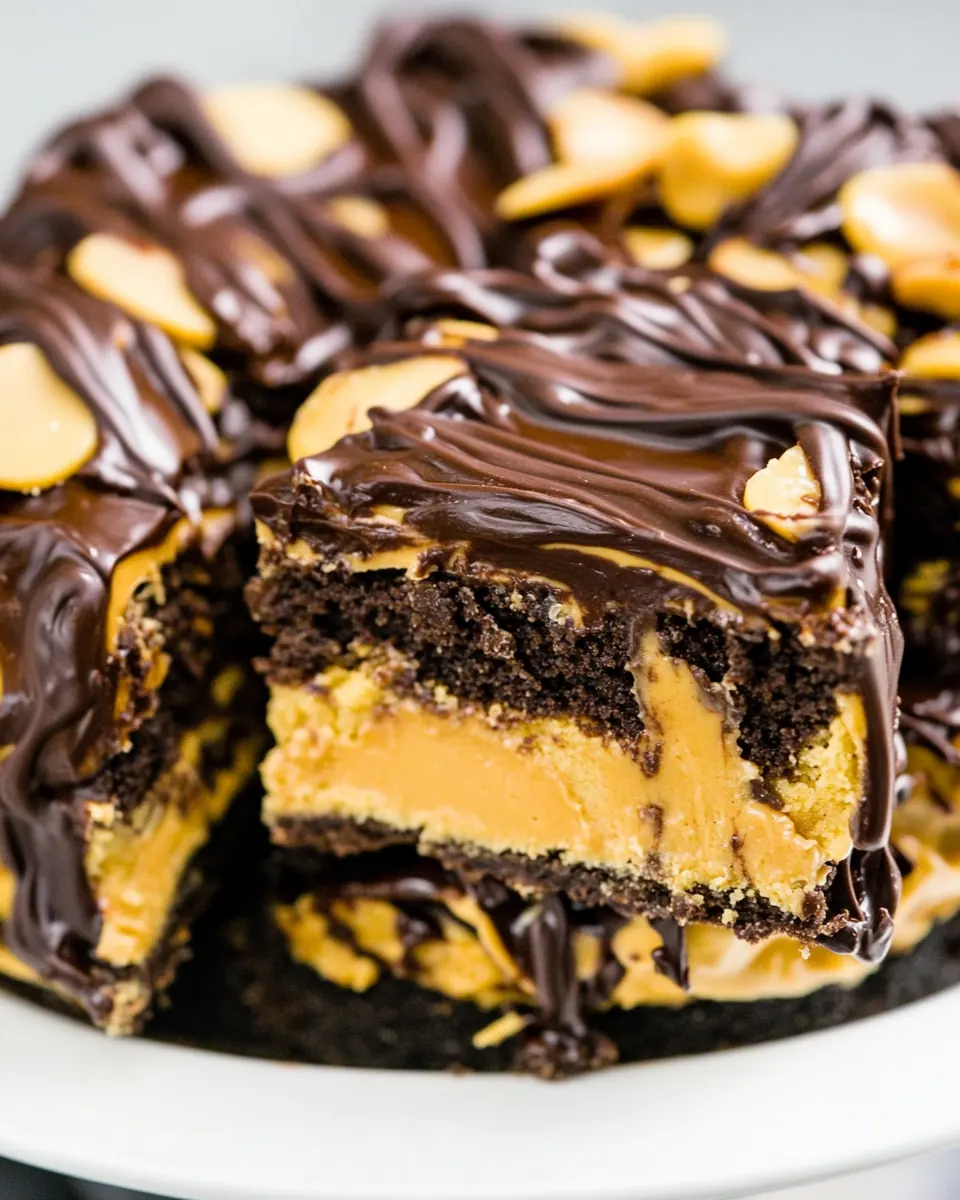
Slow Cooker Chocolate Peanut Butter Cake is a creamy and indulgent dessert that blends rich chocolate with nutty peanut butter into an easy slow cooker treat. The tender crumb and glossy peanut butter glaze make it perfect for cozy winter gatherings or weeknight celebrations, delivering big flavor with minimal fuss. Make it for a crowd and watch it disappear.
Prep Time 15 minutes
Cook Time 1 hour 45 minutes
Total Time 2 hours
Servings: 12 servings
Course: Desserts
Cuisine: American
Calories: 320

Ingredients
  

  • 1 box chocolate cake mix Provides a base mix of cocoa, flour, sugar, and leaveners to create the cake structure and chocolate flavor; simplifies baking by combining dry ingredients and balancing sweetness. Adds a familiar boxed-cake convenience that ensures consistent texture and rise when combined with wet ingredients and cooked in the slow cooker. Helps establish the dessert’s primary chocolate profile which pairs with peanut butter elements in the recipe.
  • 1 cup water Adds necessary hydration to activate the cake mix and dissolve dry components for an even batter; helps regulate thickness so the mixture pours and spreads properly in the slow cooker. Contributes to steam during long cooking which gently cooks the cake and prevents drying.
  • 3 eggs Creates richness and contributes structure and moisture through proteins and fats; helps emulsify the batter and trap air for lift. Enhances tenderness and improves overall mouthfeel of the finished cake when beaten into the wet ingredients.
  • 1/2 cup creamy peanut butter Provides concentrated peanut flavor and creaminess that blends into the batter, lending nutty richness and moisture; contributes smooth fat that enriches texture. Balances the chocolate with a salty-sweet note and helps create a cohesive peanut butter profile throughout the cake.
  • 1/3 cup butter, softened Adds butterfat for flavor, tenderness, and a silky mouthfeel; softened texture allows it to cream easily with peanut butter or sugar for an enriched topping or filling. Encourages a moist crumb and helps carry flavor, ensuring the final cake isn’t dry during slow-cooking.
  • 1/4 cup creamy peanut butter Provides additional peanut butter flavor in a smaller amount to intensify nutty notes without overwhelming texture; blends well with dairy or powdered sugar for creamy fillings or drizzles. Helps layer peanut taste for contrast between batter and topping components.
  • 1/4 cup milk Contributes creaminess and thins mixtures when combined with powdered sugar or peanut butter to make a smooth frosting or glaze; adds subtle dairy richness that balances sweetness. Can adjust consistency of spreads so they pour or spread easily over the cake.
  • 1 cup powdered sugar Adds concentrated sweetness and a fine texture to create a smooth, sweet frosting or filling when combined with butter or milk; dissolves readily for silky consistency. Helps stabilize and thicken glazes or peanut butter frostings while providing powdered sweetness without grittiness.
  • 1/4 cup fudge sauce Supplies a rich, chocolatey syrup to drizzle or swirl, enhancing fudgy flavor and adding glossy shine to the finished dessert; intensifies chocolate notes and introduces a saucy texture contrast. Melts slightly into warm cake, creating pockets of gooey chocolate that complement peanut butter.
  • 26 miniature peanut butter cups, unwrapped and cut in half Contributes bite-sized pockets of peanut butter and chocolate that add texture and bursts of flavor; unwrapping and halving exposes filling for faster melting and integration with warm cake. Provides decorative and tasty finishing touches that reinforce the peanut butter-chocolate pairing.

Equipment

  • 6-quart slow cooker
  • Hand-held electric mixer

Method
 

  1. Spray a 6-quart oval slow cooker with cooking spray.: The interior should gleam slightly when properly greased, which prevents sticking and helps the cake release cleanly. You will feel the slick surface under your fingers and see the light sheen catch the light. This step matters because a dry insert can cause the cake edges to adhere and tear when you lift them out. One mistake is skimping on spray, especially in crevices. If you worry about sticking, line the bottom with parchment that reaches up the sides for easier removal.
  2. Using an electric mixer, beat cake mix, water, eggs, 1/2 cup peanut butter, and butter on low speed for 30 seconds and then on medium speed for 2 minutes.: As you begin, the batter will look powdery, then gradually come together into a glossy mixture. You will hear the motor hum and observe ribbons forming as the liquids incorporate. The slow start prevents a floury cloud, while the medium beat aerates the batter for lift. The reason this matters is that aeration and uniform mixing create a fine crumb and consistent rise. A typical error is overbeating, which can make the crumb tight and cakey. If you see large bubbles or splatter, scrape the bowl and finish folding gently to even out the texture.
  3. Pour batter into slow cooker. Cover and cook on HIGH for 1 hour 45 minutes to 2 hours.: The batter should pour smoothly, thick but flowable, settling into the insert like a velvet blanket. Visually, it will level itself and small air pockets may surface. Pouring steadily helps avoid splashes on the rim that can burn later. This matters because even distribution ensures uniform cooking and proper center set. A common mistake is overfilling your cooker insert, which can spill or take much longer to cook. Leave some headspace so steam can circulate.
  4. (If your crock pot runs hot, check after 1 hour and 30 minutes.): During cooking you will notice a sweet, nutty steam rising from the lid, and the edges will start to pull away slightly from the insert. The top will set and may appear matte when done. Cooking on HIGH shortcuts the time while still allowing the interior to become tender, because the slow cooker traps moisture. The key reason this technique works is the gentle, moist heat that prevents drying. One trap is assuming the cake is done the moment the top looks firm; it should spring back slightly when touched and a toothpick inserted near the center should come out with a few moist crumbs. If the tester is wet with batter, continue cooking and check every 10 to 15 minutes.
  5. Remove slow cooker insert and place on a wire rack to cool for 15 minutes.: You might notice the aroma intensify earlier, and the top may brown or set faster in a hotter unit. Smelling a very pronounced roasted note or seeing darker edges suggests your cooker is on the warmer side. Checking early prevents overcooking and a drier cake. A frequent misstep is waiting until the full time in a hot slow cooker, which can lead to an overly dry edge. If you detect rapid browning, lower the heat or remove the lid briefly to check doneness.
  6. Make glaze. Whisk together peanut butter, milk, and powdered sugar in a medium bowl. Spread on top of cake.: Lifting the insert reveals steam and a heady combination of chocolate and peanut butter aromas. The cake will relax as it cools, making it easier to top without melting the glaze. Cooling on a wire rack allows air to circulate and prevents condensation from forming underneath. This pause is critical because a very hot surface can cause the glaze to thin excessively. One common error is trying to frost while piping hot, which makes the topping slide off. Let the cake rest the full 15 minutes for best results.
  7. Sprinkle fudge sauce and peanut butter cups on top.: When you whisk the peanut butter and milk together, you will see a silky emulsification form, and the powdered sugar will add body until the glaze thickens to a spreadable sheen. The aroma becomes more pronounced, sweet and nutty. Spreading the glaze while the cake is slightly warm encourages it to sink into surface pores, creating a glossy, clingy finish. This technique matters because it balances sweetness and texture across the top. A potential pitfall is adding too much milk at once which makes the glaze runny; add it slowly to reach the ideal spreadable consistency.
  8. Sprinkle fudge sauce and peanut butter cups on top: Drizzling the fudge sauce will create dark chocolate ribbons that contrast with the tan peanut butter glaze, while the halved peanut butter cups will nestle and add textural pops. Visually the cake becomes more inviting as the glossy sauce catches light and the candies create pockets of interest. The finishing touches matter for presentation and textural variety. One mistake is placing candy pieces while the glaze is too hot, which can cause them to sink or melt excessively. Allow the glaze to set slightly if you want the candies to remain more distinct on the surface.
Notes

  • Boost the peanut butter intensity: If you prefer a stronger nutty punch, stir up to an extra tablespoon of creamy peanut butter into the glaze. This deepens the flavor and makes the finish silkier without altering bake times.
  • Adjust glaze thickness: For a thinner glaze that seeps into the cake, add a little more milk a teaspoon at a time. For a spreadable, pipeable frosting, add a touch more powdered sugar until you reach the desired body.
  • Even slices: Chill the cake slightly before cutting if you want cleaner slices, as the glaze firms up and the structure sets. Use a sharp knife wiped between cuts for neat portions.
  • Presentation trick: Arrange the halved peanut butter cups in a concentric pattern for a polished look or scatter them casually for a rustic vibe. Either approach elevates the visual appeal.
  • Storage advice: Store leftover slices in an airtight container at room temperature if you plan to eat them within a day, otherwise refrigerate for longer freshness. Bring to room temperature before serving to restore creaminess.