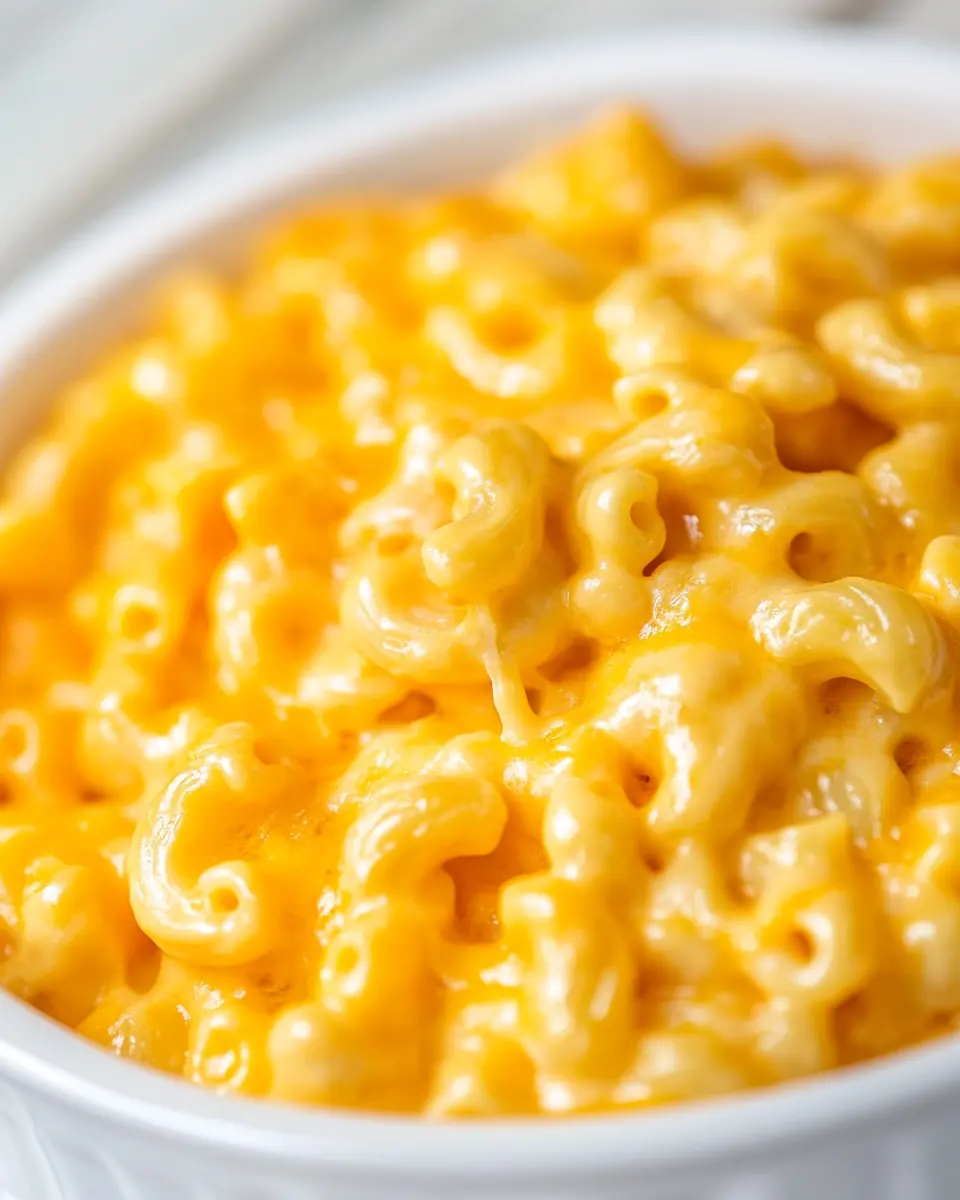
If desired, spray the slow cooker liner with cooking spray. Then add dry uncooked pasta, milk, heavy cream, stir, and make sure all the pasta is submerged under the dairy.: The first aroma you may notice is the faint scent of warm dairy as the pot heats, and a light spray prevents sticking so you can serve cleanly. This small step saves scrubbing later and helps the sauce lift from the sides rather than baking onto the liner. A common mistake is skipping the spray in older or well used cookers, which can cause cheese to cling and burn at the edges.
Add all remaining ingredients, gently stir again, making sure the pasta remains covered.: You will hear a soft liquid sound as the milk settles over the pasta, and visually you should see all the pieces coated and mostly covered. This ensures even hydration, so the pasta cooks uniformly rather than drying out on top. If some pasta peeks through, it may cook unevenly, resulting in both mushy and underdone pieces.
Place the lid on the slow cooker and cook on LOW for about 1 hour.: As you fold in cheeses and seasonings the mixture thickens slightly and gains a glossy sheen. Gentle stirring encourages even distribution so each noodle gets the same sauce to chew on. Avoid vigorous stirring which can break pasta and release too much starch, making the sauce gummy.
Quickly open the lid and stir the mixture, then cover and continue cooking for another hour (approximately), stirring every half hour until it gets to your desired consistency. Tips– Cook time will depend a lot on the heat output of your slow cooker, some are very powerful and run hot, others don't. Cook as long as necessary for the pasta to have softened and the cheese sauce mixture to thicken as desired. The longer you cook it, the thicker it will get. Resist the urge to take the lid off and 'check on' the progress because every time you do so, it unnecessarily lengthens the cooking time.: After an hour the kitchen fills with a warm, toasty dairy scent, and you may see the sides of the pot start to cling slightly. Cooking on LOW lets the sauce emulsify slowly, producing a silkier mouthfeel than high heat would. Opening the lid too often interrupts the heat cycle and lengthens cooking time, so resist peeking early.
Taste for seasoning balance, and if desired, add additional salt, pepper, or other spices and serve.: When you stir you will notice the sauce gaining body, small bubbles appearing around the edges, and the pasta becoming tender to the fork. These visual and tactile cues tell you the sauce is thickening and the pasta is hitting that perfect al dente to tender range. A frequent error here is stirring too forcefully, which can break pasta and change the texture.
Taste for seasoning balance, and if desired, add additional salt, pepper, or other spices and serve: The final moment is all about tasting the harmony of dairy and cheese, and adding small adjustments to lift the profile. The aroma should be rich and slightly nutty from the cheese; if it tastes flat, a pinch of salt will brighten it. Over seasoning at this stage is easy, so add small amounts and taste between adjustments to avoid overpowering the dish.