Preheat your oven to 425°F and line your muffin pan with 5 paper liners.: You will notice a warm, comforting scent as the oven comes to temperature, which readies the metal for rapid initial rise. This high starting heat helps form a golden domed top quickly, locking moisture inside. Make sure the liners are snug and the pan is clean, because uneven heat can cause lopsided rise. A common mistake is not preheating long enough, which prevents the rapid lift and yields flatter muffins.
In a small bowl, whisk together flour, baking powder, and salt. Set aside.: As you whisk the dry ingredients, you will see the baking powder and salt distribute evenly through the all purpose flour , creating a uniform pale mixture. This step ensures each spoonful of batter has consistent leavening, which impacts even rise and texture. If you skip this, pockets of leavener can create uneven craters in the crumb. Avoid over working; a few gentle whisks are all you need.
In a medium bowl, combine butter, sugar, milk, orange juice, sour cream, egg white, and orange zest, and whisk until smooth. Add flour mixture and stir until just combined. Do not over mix!: When you whisk the wet ingredients, the mixture should become glossy and slightly thickened, the butter fully incorporated so no oily streaks remain. Adding the dry mix in and folding gently keeps the batter tender, as over mixing develops gluten and leads to dense muffins. Watch for a few streaks of flour disappearing, then stop. A frequent error is vigorous stirring which makes the crumb tight and chewy.
Divide batter between 5 prepared muffin cups and bake at 425°F for 8 minutes. Turn the temperature down to 350°F and bake for an additional 5 to 7 minutes, until a toothpick inserted into the center of the muffins comes out with just a few dry crumbs. Allow muffins to cool in the baking pan until cool enough to handle before transferring to a cooling rack and glazing.: Spoon the batter so each cup is evenly filled; you should hear the quiet thunk as batter hits the pan. The intense heat in these first minutes pushes the batter upward, forming a peaked top and setting the exterior. You will see pale tops turn golden at the edges and a fragrance of butter and citrus will rise. Underfilling leads to small, flat muffins, while overfilling can spill and create uneven baking.
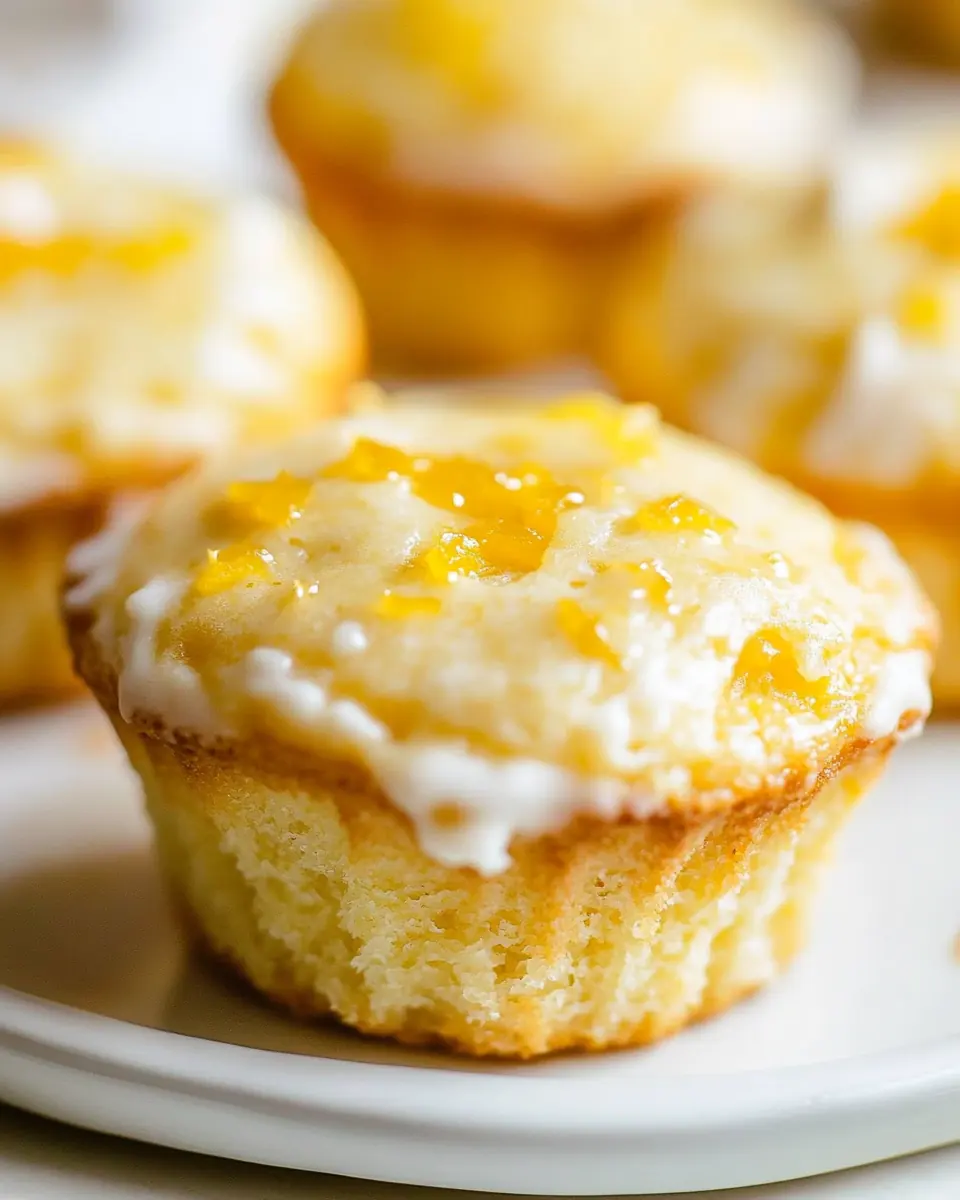
In a small bowl, whisk together powdered sugar, 2 teaspoons of the orange juice, and orange zest until glaze is smooth. Add up to 1 teaspoon more of orange juice if mixture is too thick to drizzle and spoon glaze over the warm muffins. Allow glaze to set for 10 to 15 minutes and enjoy!: Lowering the oven temperature completes cooking gently so the centers set without over browning. During this second phase, listen for the quiet crackles of hot air and look for an even golden color. Test with a toothpick near the center, not the edge, to avoid a false dry reading. Baking too long at this stage will dry the crumb, so check early if your oven runs hot.
Allow muffins to cool in the baking pan until cool enough to handle before transferring to a cooling rack and glazing.: Cooling in the pan for a short time helps the structure finish setting, and transferring too soon can make tops fall. Once the muffins are warm rather than hot, move them to a rack so air circulates and bottoms do not steam. If you rush to glaze very hot muffins, the glaze may melt off and pool. A common misstep is leaving muffins in the pan too long, which traps steam and soggifies the base.
In a small bowl, whisk together powdered sugar, 2 teaspoons of the orange juice, and orange zest until glaze is smooth.: The powdered sugar dissolves into a silky glaze when mixed with orange juice , releasing a bright syrupy scent and a glossy sheen. Start with the lower amount of juice, then add a little more if needed to achieve a ribbon that drips slowly from your spoon. An overly thin glaze will run right off, while too thick will clump; adjust carefully. Not sifting powdered sugar can leave tiny lumps that never dissolve.
Add up to 1 teaspoon more of orange juice if mixture is too thick to drizzle and spoon glaze over the warm muffins.: When you thin the glaze, do so drop by drop, watching how it coats the spoon in a viscous ribbon before you apply it to the warm tops. Glazing while warm allows the glaze to melt into crevices and give a glossy finish that sets slightly as it cools. Be careful to avoid making the glaze so thin it pools heavily at the muffin base. One error is adding all the juice at once, which can quickly create a runny glaze that will not set properly.
Allow glaze to set for 10 to 15 minutes and enjoy!: As the glaze rests, it loses tackiness and firms to a delicate sheen, giving a pleasant contrast to the soft crumb. During this time the room fills with citrus sweetness and the tops become lightly crisp where the glaze has dried. If you store them immediately while the glaze is wet, it will smear, so patience pays off. A common oversight is stacking muffins before the glaze sets, which ruins the finish.