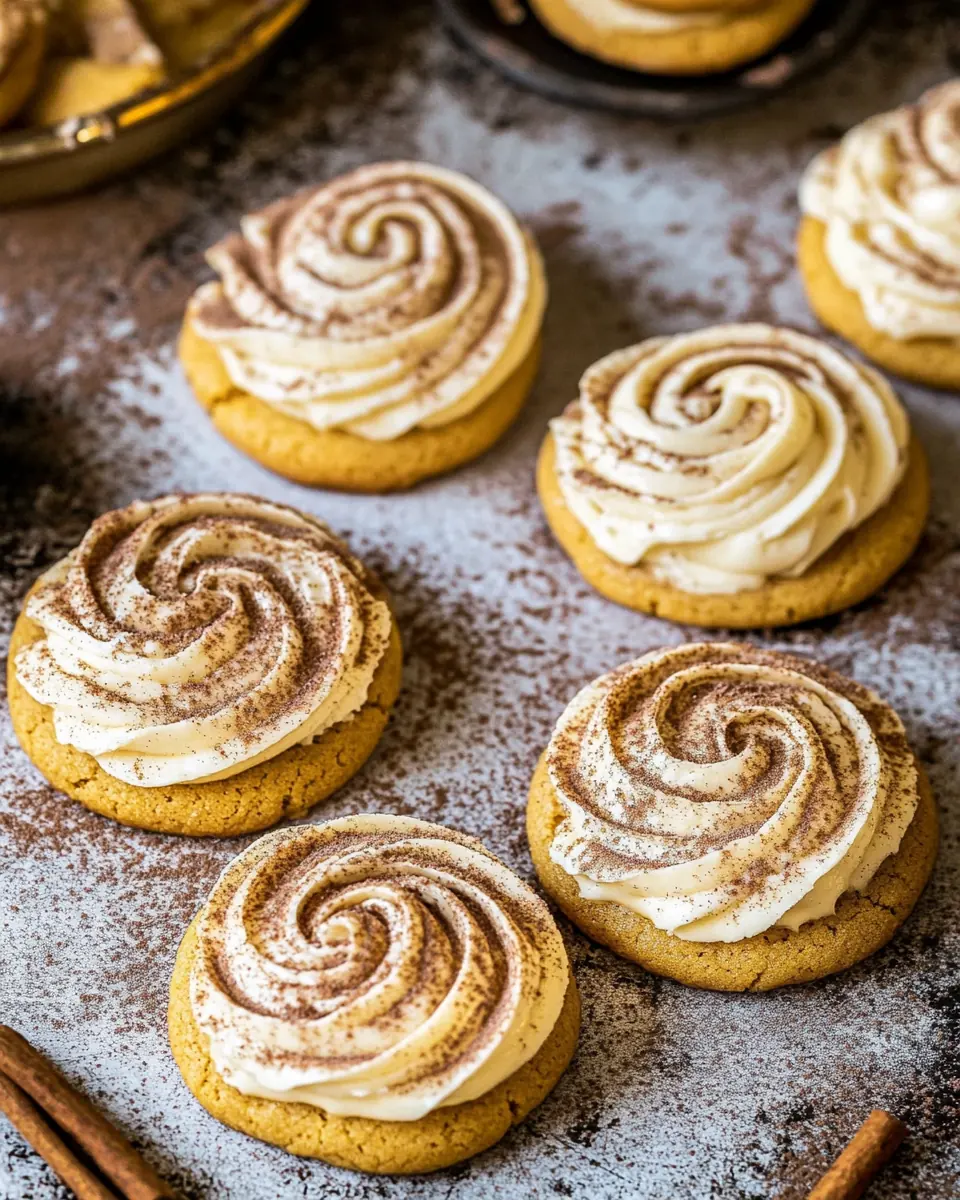
In a bowl, beat together the butter, brown sugar, and vanilla until light and fluffy, about 3-5 minutes. Add the maple and beat to combine, then beat in the pumpkin butter. Add the egg and mix until combined. Add the flour, baking soda, cinnamon, nutmeg, and salt, beating until combined. Flour your work surface. Divide the dough in half and flatten each half into a disk. Roll out the dough to 1/3 inch thickness. Make sure you are using enough flour or your dough will stick. Cut out the cookies into your desired shapes. Transfer the cookies to a parchment-lined baking sheet. Place the baking sheet in the freezer for 15-20 minutes, until firm. Roll out the leftover scraps, and repeat with the remaining dough. Preheat oven to 350°. Bake the cookies 10-12 minutes (for soft cookies) or until golden. Cool on the baking sheet. To make the frosting. Melt the butter in a skillet. Allow the butter to brown lightly until it smells toasted, about 2-3 minutes. Remove from the heat and let cool 5 minutes. Whisk in the powdered sugar, 1 tablespoon water, the vanilla, and cinnamon until smooth, adding 1 tablespoon of water to thin the frosting as needed. If the frosting gets too thin, just add a little more sugar, and if it gets too thick, add a splash of water. The frosting should be thin enough to drizzle. Frost each cooled cookie. I used melted chocolate to draw on the pumpkin "leaves". Sprinkle lightly with cinnamon sugar. Store in an airtight container for up to 4 days.: The bowl should become warm from friction and the mixture will transform visually from dull and dense to pale and aerated, with visible tiny air pockets. You will hear a steady hum from the mixer and smell the sweet molasses of the brown sugar. This aeration is crucial because it traps air that expands during baking, yielding a soft cookie. A common mistake is undercreaming, which leads to denser cookies, so take your time until the texture is noticeably lighter.
Add the maple and beat to combine, then beat in the pumpkin butter: Once the maple syrup is added, the mixture becomes glossy and slightly more fluid, carrying warm maple aromatics. Adding the pumpkin butter introduces a silky, thicker viscosity and an autumnal scent. Mix until you see a uniform color, stopping when there are no streaks. Over mixing here can incorporate too much air or break down consistency, so stop as soon as blended.
Add the egg and mix until combined: The egg will bind the mixture, and you should notice the batter become slightly more cohesive and elastic. The surface will smooth, and the mixture will pull away from the bowl a bit. If you see a watery separation, you may have added the egg too quickly or the butter was too warm; chill briefly if needed.
Add the flour, baking soda, cinnamon, nutmeg, and salt, beating until combined: As you incorporate the dry ingredients, the dough will thicken and become more matte, with specks of spice visible. Mix just until you no longer see streaks of flour, because over mixing develops gluten and can make the cookies tough. A frequent error is continuing to beat past incorporation, so stop as soon as the dough looks even.
Flour your work surface: Dusting the surface prevents sticking when rolling. The flour should be lightly scattered, not a heavy layer, because too much will dry the dough. You will feel the dough glide smoothly if you have the right amount of flour. If it still sticks, add a touch more flour, but avoid making the dough crumbly.
Divide the dough in half and flatten each half into a disk: Flattening into disks helps chill them evenly and makes rolling more manageable. The disks should be uniform in thickness, which aids in consistent bake times. Press gently to remove air pockets. An uneven disk can bake unevenly, so be deliberate about thickness.
Roll out the dough to 1/3 inch thickness: Rolling to the specified thickness ensures the cookies bake into that desirable soft center. You should see a smooth, even sheet of dough with small flecks of spice. If you notice tearing, the dough needs a quick chill. Rolling too thin will produce crisper cookies, so measure visually and adjust.
Cut out the cookies into your desired shapes: Use cutters to press clean shapes, lifting each with a gentle wiggle to avoid distortion. The edges should be neat and the shapes uniform for even baking. If shapes lose definition, chill the dough and re-cut. A common issue is warm dough that puffs or spreads; keep the work surface cool.
Transfer the cookies to a parchment-lined baking sheet: Arrange the cookies with space between them so air can circulate. The parchment prevents sticking and promotes even browning on the bottom. You will feel the difference when transferring a well chilled cookie, it holds its shape better. Crowding is a frequent mistake, leading to merged cookies.
Place the baking sheet in the freezer for 15 to 20 minutes, until firm: Chilling firms the butter and solidifies the shape, which helps the cookies remain soft yet structured in the oven. You will notice the dough become cool and slightly firm to the touch. If you skip this step, cookies may over spread; if they get too hard, let them sit a minute before baking.
Roll out the leftover scraps, and repeat with the remaining dough: Gather scraps gently and re roll to avoid overworking the dough, which can make it tough. Keep the dough chilled between rolls to maintain texture. You may find the second roll yields slightly denser cookies, which is normal, so bake attentively.
Preheat oven to 350°: Allow your oven to come fully to temperature; you should feel even heat if you open it briefly, and it takes several minutes to stabilize. An oven thermometer helps ensure accuracy. Baking at the correct temperature gives you the right rise and a tender interior. Baking too low or high affects texture and color.
Bake the cookies 10 to 12 minutes (for soft cookies) or until golden: During baking you will hear gentle quiet from the oven and see edges set while centers remain slightly pale. The cookies will develop a warm golden edge without deep browning when done. A common trap is overbaking, which dries them out, so remove them when centers look set but still soft.
Cool on the baking sheet: Let cookies rest on the sheet so residual heat finishes the bake and they firm just enough to handle. They will continue to set and become easier to move after a few minutes. Transferring too soon can cause breakage; waiting too long is fine if you want them fully set.
To make the frosting: Browning the reserved butter in a skillet creates a nutty aroma and amber color that perfumes the frosting. You will watch small brown flecks form and smell toasted notes, which is the signal to remove it from heat. Cooling briefly prevents the powdered sugar from melting into a runny glaze when combined. Overbrowning produces bitterness, so watch carefully.
Melt the butter in a skillet: As it melts, the butter will foam and then subside, releasing a toasted scent. Swirl the pan for even browning, and as it turns to a deeper gold, you will see tiny brown bits form. These bits carry intense flavor, so scrape them into the frosting. Avoid burning by removing promptly when fragrant.
Allow the butter to brown lightly until it smells toasted, about 2 to 3 minutes: That toasty aroma signals complex toasted notes that will elevate the frosting. Cooling slightly prevents the rest of the ingredients from dissolving into a watery mess. Burning is easy if left unattended, so stay close and stir.
Remove from the heat and let cool 5 minutes: Cooling lets the butter settle and stop cooking, and it keeps the powdered sugar from turning into syrup on contact. You want warmth but not heat. If it is too hot, the frosting will be thin and runny, so patience is important.
Whisk in the powdered sugar, 1 tablespoon water, the vanilla, and cinnamon until smooth, adding 1 tablespoon of water to thin the frosting as needed: The bowl will turn glossy and pourable, carrying the browned butter aroma. Start with minimal water and add slowly until you reach a drizzle friendly consistency. A common mistake is adding too much water, which makes the frosting too thin; correct by adding more powdered sugar in small increments.
If the frosting gets too thin, just add a little more sugar, and if it gets too thick, add a splash of water: Adjusting texture is about small changes, you will notice immediate shifts in viscosity. The ideal frosting should coat but still drizzle, not pool into a glaze. Over correcting can lead to a pasty or overly sweet finish, so tweak gently.
The frosting should be thin enough to drizzle: When you lift your spoon, the frosting should form a ribbon that slowly settles, indicating the right balance. The aroma will be buttery and cinnamon scented. If it clumps or separates, whisk vigorously and adjust texture carefully.
Frost each cooled cookie: Apply frosting once the cookies are fully cool so it sets without melting into the cookie. Use a spoon or piping bag to control the drizzle; the sheen should dull slightly as it sets. Frosting warm cookies causes it to run off, so patience is key.
I used melted chocolate to draw on the pumpkin "leaves": The melted chocolate creates contrast and fine detail, and the bitterness balances the sweet frosting. Use a small piping tip or a squeeze bag for precision. Chocolate can seize if water gets in, so keep tools dry.
Sprinkle lightly with cinnamon sugar: A final dusting adds texture and an extra hit of spice on the nose. The sparkle of sugar also makes the cookies look finished and festive. Apply sparingly so it complements rather than overwhelms the frosting.
Store in an airtight container for up to 4 days: Proper storage preserves softness and prevents the frosting from drying out. Layer with parchment to avoid sticking and keep at room temperature away from direct heat. Refrigeration can dry cookies out quickly, so use only if your environment is very warm.