Pour 2/3 part milk and 1/3 water equal to the amount of gravy you plan to serve into a bowl.: You will first notice the cool, slightly sweet aroma of the milk as you measure it, and combining it with water creates a controlled richness that prevents the sauce from being too heavy. Doing this in a bowl helps you add liquid smoothly later, which makes it easier to control thickness. A common mistake is eyeballing amounts and then scrambling to thin or thicken the gravy at the end, so measure with purpose. Keep your bowl nearby and at room temperature so cold milk does not shock the hot roux when added, which could cause clumping.
Set aside.: After mixing the liquid, set it aside so it is ready to go when the roux is at the right color. You will notice a calm pause here, and that waiting keeps the process rhythmic. If you skip this pause and search for the milk midstep, you may rush, which increases the chance of lumps or scorching. Use this moment to ensure your stirring utensil and pan are within reach.
Mix together flour, salt and pepper. Set aside.: When you combine 1 cup flour , 1 teaspoon kosher salt , and 1 teaspoon ground black pepper , the dry seasoning melds into a uniform mix that will incorporate smoothly into the drippings. The aroma is dry and peppery, and blending them first prevents pockets of seasoning from forming later. A frequent error is adding salt in the pan directly without preblending, which can result in unevenly seasoned gravy; pre-mixing avoids that.
Heat meat drippings, pour in dry ingredients and cook until browned.: With the dry mix ready, set it aside near the pan. This small organization step saves time when the drippings are hot and the moment to add the flour arrives. It helps you maintain a steady rhythm during cooking. Forgetting to set it near the stove can lead to hurried measuring over hot fat, increasing the chance of spills.
Stir constantly.: As the 2 cups reserved meat drippings heat in the pan, you will hear a gentle sizzle and smell a concentrated, savory aroma. When you add the dry mix, toss it in and stir so the flour browns in the hot fat; you should see it shift from raw pale to a warm, golden tan. This browning builds nutty flavors and prevents a raw flour taste in the finished gravy. A common mistake is rushing this step; if the flour does not brown enough, the flavor will be flat, but if you let it scorch, it will become bitter.
Reduce heat to low and pour in milk and water.: Constant stirring ensures the roux cooks evenly and does not cling to the pan base. You will feel the mixture thicken slightly and hear a steadier, softer sizzle as moisture cooks out. Use a wooden spoon or heatproof spatula to scrape the pan frequently so nothing sticks. Neglecting to stir can result in hot spots that burn the roux, which forces you to start over to salvage the flavor.
Stir well until mixture has thickened.: Lowering to a gentle heat before adding the liquid prevents violent bubbling and reduces the risk of lumps. When you pour the prepared milk and water slowly, the pan will sigh as the temperature evens out. Adding liquid too quickly or over high heat causes sputtering and clumping, so take your time and steady your pour. If you see sudden, stubborn lumps, remove from heat and whisk vigorously while adding a splash more warm liquid.
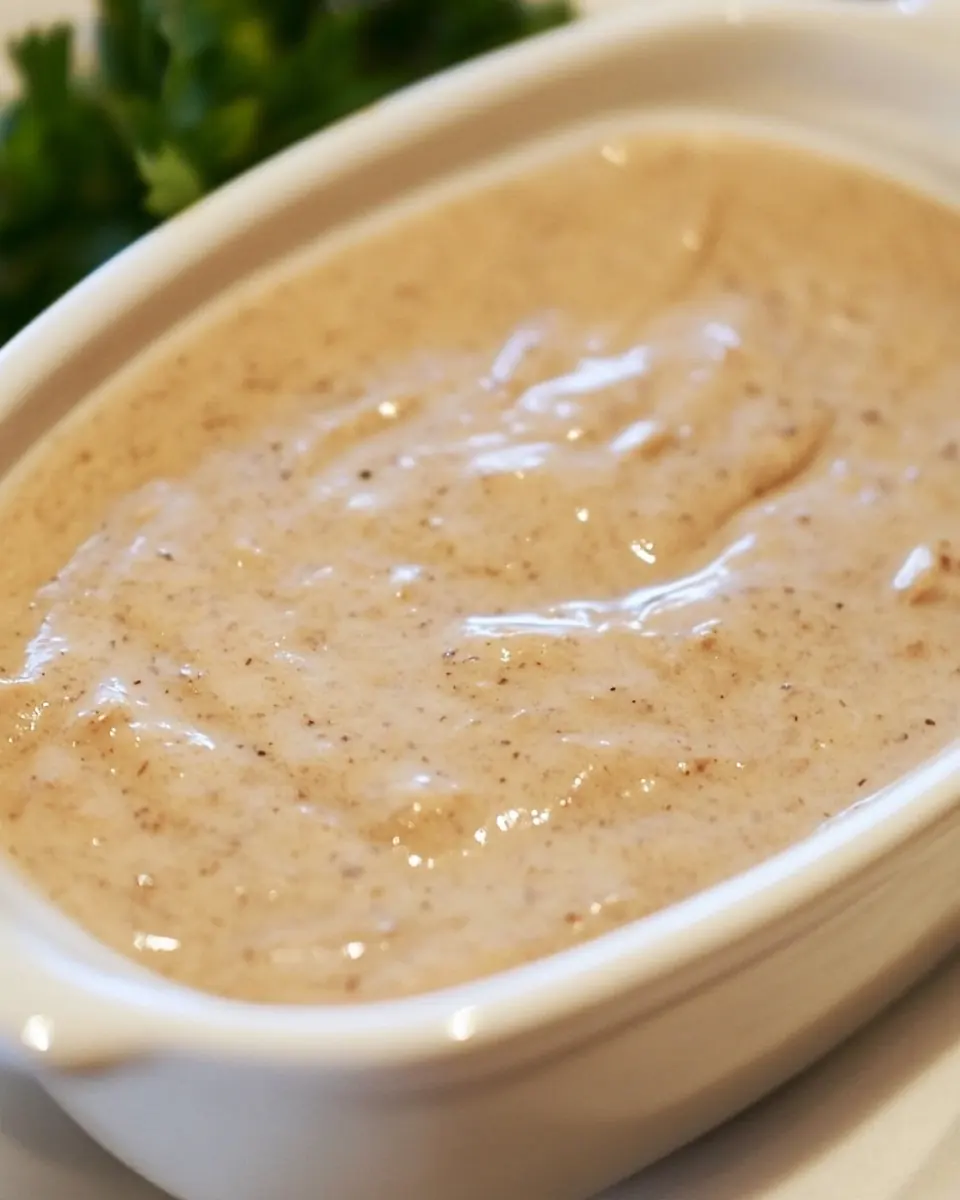
Remove from heat.: As the mixture comes together, you will notice it change from glossy to velvety, and it will leave a ribbon on the spoon when lifted. The sound quiets, and the surface moves in slow, gentle waves. This is when the gravy develops body and clings to food. If the texture is too thin, continue simmering on low, stirring to avoid scorching; if too thick, whisk in a little warm water or milk until you reach the desired consistency. A typical mistake is upping the heat to speed things, which risks separation or burning.
Remove from heat: Once the gravy has reached the right thickness and the flavors taste balanced, removing from heat preserves the delicate texture and prevents further concentration that can over salt or thicken too much. You will see the surface settle into a glossy, even finish and smell a harmonious blend of creamy and toasty notes. Leaving it on the heat will make it reduce beyond the intended point, so transfer promptly to a warm serving dish or keep covered off direct heat.