Cut the tomato into meaty, 1/2-inch thick slices. We like to use a serrated knife. Depending on the size of your bread slices, you'll need 1-2 large slices per sandwich.: Right away you should notice the weight and sound of the knife as it glides through the tomato , releasing a fresh, green fragrance and a soft squelch of juice. The surface of a perfect slice will look glossy and show the seeds held in plump pockets, and the flesh will be evenly colored with no chalky core. Why this matters, the thickness ensures each bite has a satisfying balance between the fleshy tomato and the bread , preventing a sandwich that is too flimsy or too watery. A common mistake here is slicing too thinly or too thickly, which can either collapse the sandwich or make it unbalanced; aim for consistent 1/2 inch pieces for even texture and moisture control. Use a serrated knife to reduce crushing, and if the tomato slips, stabilize it with your fingers in a claw grip to protect your hand.
Generously spread one side of each of the bread slices with mayonnaise.: As you spread mayonnaise , pay attention to the tactile change in the bread , which will soften slightly beneath the smear and take on a pale glossy sheen. The sound is minimal here, but the aroma of the mayonnaise will mingle with the ambient kitchen scents and signal the sandwich is coming together. The reason to be generous is that the mayonnaise acts as a moisture barrier, helping the bread resist becoming soggy from the tomato juices while adding a silky layer of fat for flavor. Avoid piling it into a puddle, which can create a greasy mouthfeel and cause the sandwich to slip apart; instead, spread evenly to the edges for stability and taste balance.
Season the tomatoes with salt and pepper and layer them onto one of the mayo-spread bread slices in a single layer, or slightly overlapped.: When you salt the tomato , inhale deeply to register the immediate brightness the salt brings out, and watch as the juice beads and slightly softens the surface, a visual cue that the seasoning is working. The black pepper should be freshly ground for aromatic oils that lift the profile. Layering the slices in a single layer prevents overcrowding, ensuring every slice contacts the bread and mayonnaise for even flavor. This technique controls moisture distribution and maintains a pleasant bite. A typical misstep is piling slices haphazardly, which leads to uneven seasoning and a sandwich that is hard to handle; arrange them so each slice contributes to structure and taste.
Top with the second slice of bread, mayo side down.: As you close the sandwich, listen for the soft press and feel the slight give under your palm, a small but satisfying tactile confirmation that the components are nesting together. Setting the top bread gently prevents squishing the tomato and releasing excess juice. This placement locks the layers and concentrates flavors, with the mayonnaise serving as a cushion and glue. A common error is pressing too hard, which squeezes out juices and makes the sandwich messy; instead, apply gentle, even pressure for a neat, compact result.
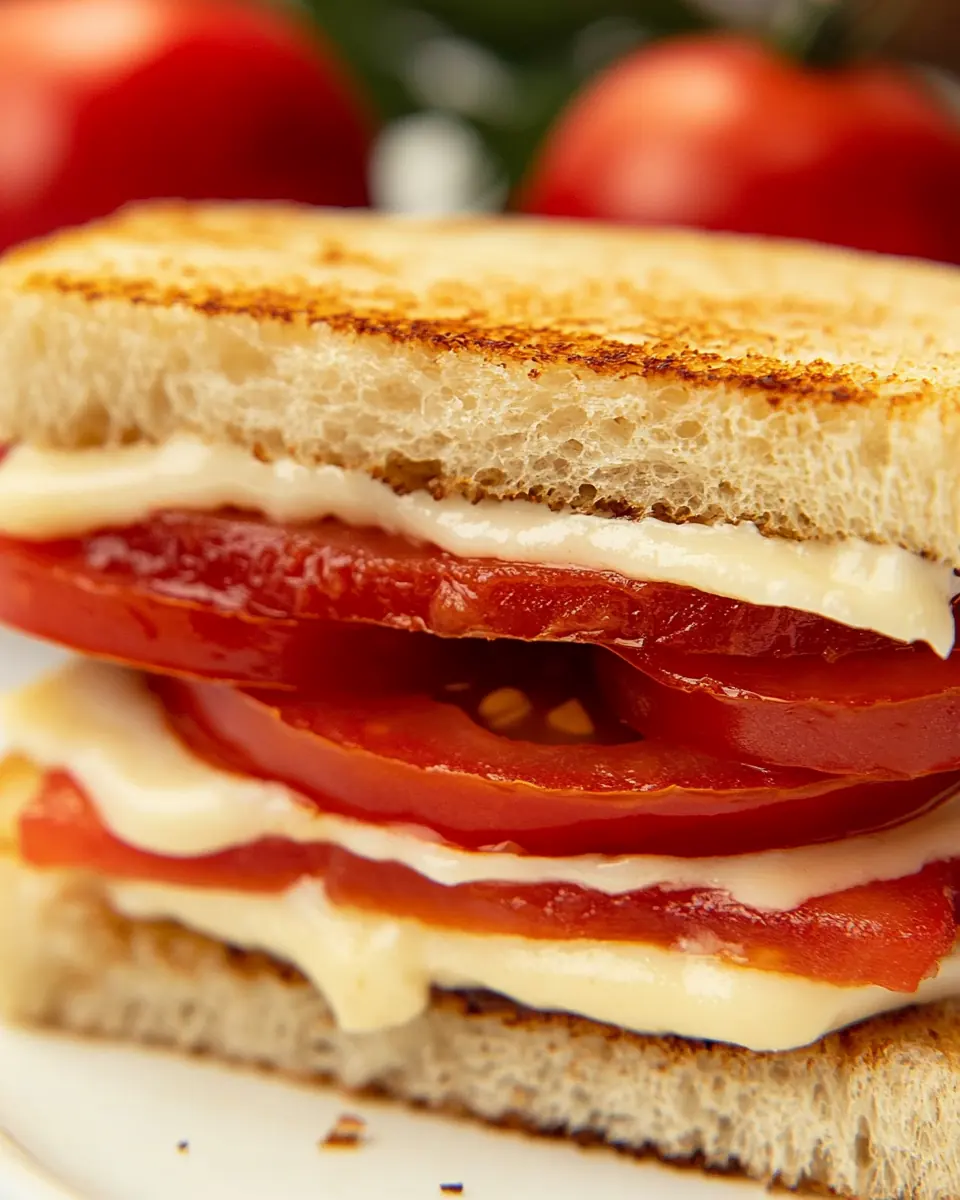
Slice sandwich in half and serve immediately.: Cutting through the sandwich should yield clean, slightly juicy edges where the tomato peeks out against the soft bread . The aroma will be a simple chorus of sweet tomato , creamy mayonnaise , and a background of fresh pepper. Serving right away preserves the textural contrast; waiting too long lets the juices migrate and the bread soften, which dulls the experience. To avoid a soggy sandwich, slice only when you are ready to eat, and present it with a napkin because those first bites can be wonderfully, intentionally messy.